>>

A quick, weeknight-friendly glaze of Dijon and brown sugar brings sweet-savory brilliance to tender Arctic char. Ready in about 25 minutes and perfect for busy evenings.
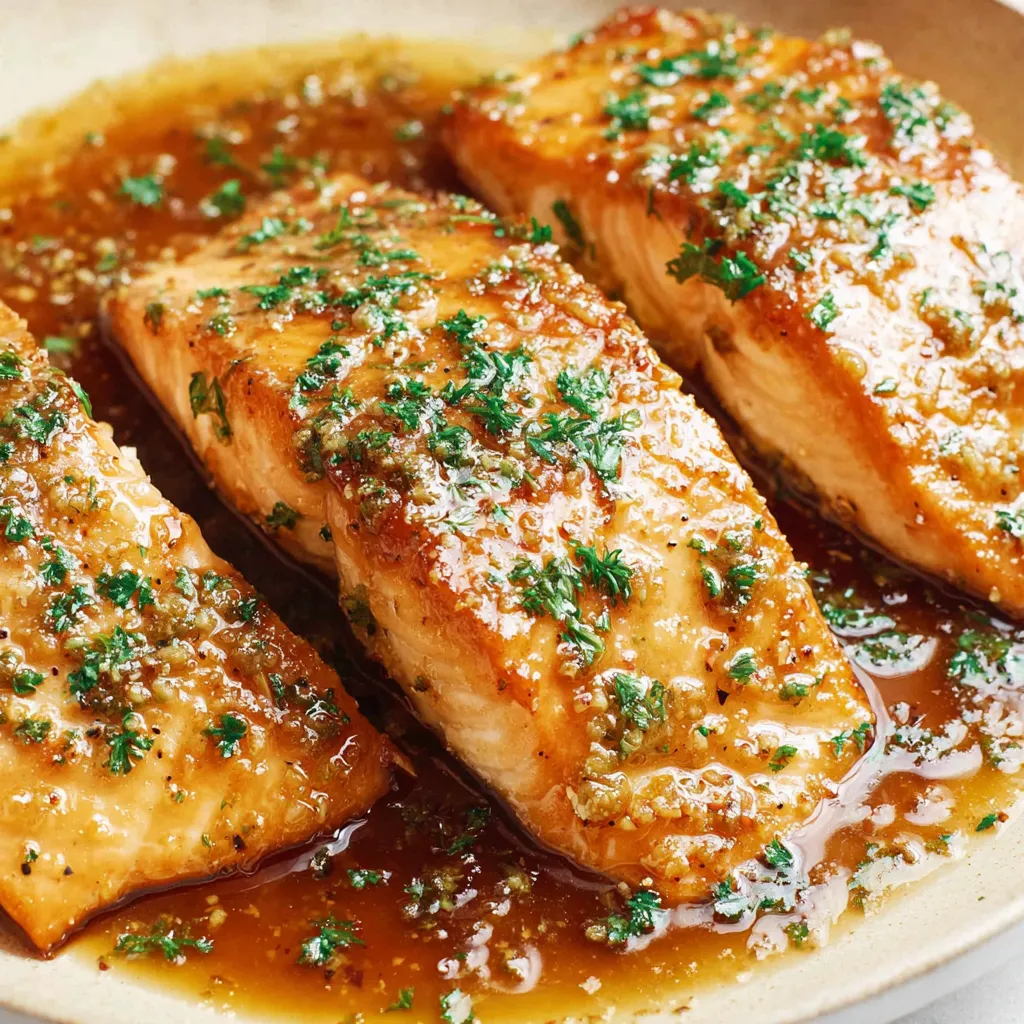
This Brown Sugar Dijon Arctic Char has been one of my simplest go-to dinners whenever I want something that feels special but doesn’t take all evening. I first tried this combination during a windy spring when the farmers' market still had early herbs and I wanted to highlight a beautifully fatty piece of fish without masking it with heavy sauces. The mustard cuts through the richness and the brown sugar caramelizes lightly in the oven, creating a glossy, slightly crisp top while the flesh beneath remains buttery and flaky. It’s that balance of sweet and tangy that keeps this dish on rotation.
I discovered the glaze by experimenting with pantry staples—Dijon, brown sugar, a squeeze of lemon and a pinch of garlic powder—while trying to make a simple baked fish feel like a treat. The first time I served it, my partner declared it a keeper and my older parent asked for the recipe on the spot. The texture is important here: the fish should flake easily but still feel moist. Because Arctic char has a fine oiliness similar to trout or salmon, the glaze works beautifully, glazing the surface without drying out the fillet.
Personally, the first time I made this for friends, everyone went back for seconds and one person asked if I could teach them to make it. That moment—when a simple combination of pantry ingredients turns into a shared favorite—is why I keep this recipe in my weeknight rotation. I often pair it with steamed green beans and a little herbed rice for a full, balanced plate.
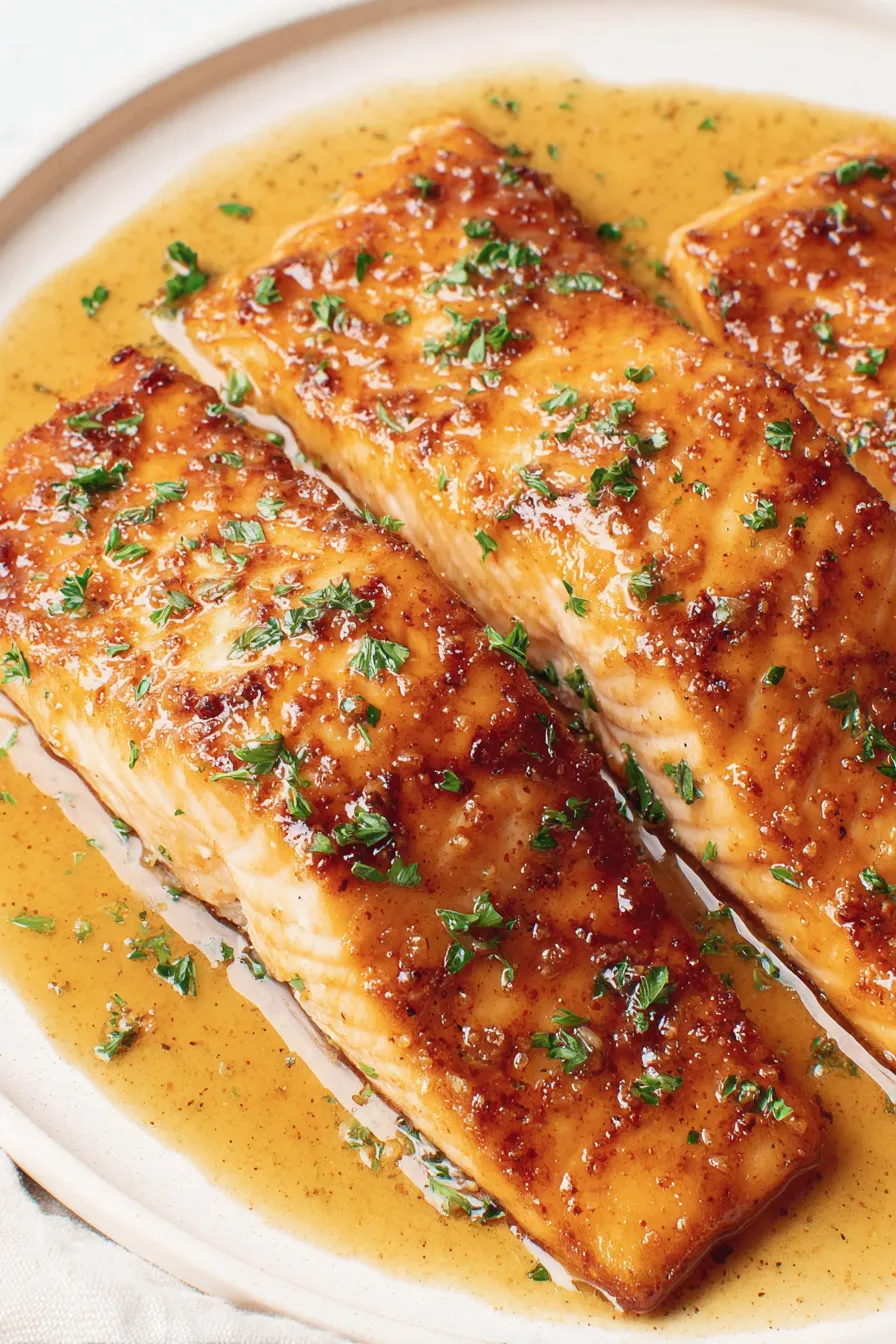
One of my favorite things about this preparation is how quickly it comes together and how reliably it pleases a mixed group of eaters. It’s an easy way to introduce people to Arctic char if they haven’t tried it before: the flavor is familiar but a touch more delicate than salmon. Over the years I’ve learned that the key to success is dry fillets and watching the oven during the last 2 to 3 minutes so the glaze reaches a shiny, amber finish without becoming bitter.
Store cooked fillets in an airtight container in the fridge for up to 2 days. If you want to freeze, wrap each fillet tightly in plastic wrap and place in a freezer bag for up to 3 months; thaw overnight in the refrigerator before reheating. To reheat, warm gently in a 275°F oven for 6–10 minutes or in a covered skillet over low heat to retain moisture. Avoid microwaving at high power—this can dry the fish and make the glaze grainy.
If you don’t have Arctic char, you can use salmon or trout with the same timing for similar results; adjust cook time for thicker fillets. For a grain-free option, replace brown sugar with a light drizzle of pure maple syrup (use about 2 tablespoons) for a similar sheen. If you’re avoiding mustard, substitute with a tablespoon of mayonnaise mixed with a teaspoon of apple cider vinegar to help the glaze stick. For a lower-sugar version, use 2 tablespoons brown sugar and 1 tablespoon grated shallot to add savory depth.
Pair with simple sides that complement the sweet-tangy glaze: steamed asparagus or green beans, a lemon-herb rice, or a crisp salad with vinaigrette. Garnish with extra lemon wedges and a scatter of chopped parsley for color. For a more substantial meal, serve on a bed of warm quinoa tossed with diced cucumber and herbs. The glaze pairs well with earthy root vegetables in colder months and bright spring vegetables when they’re in season.
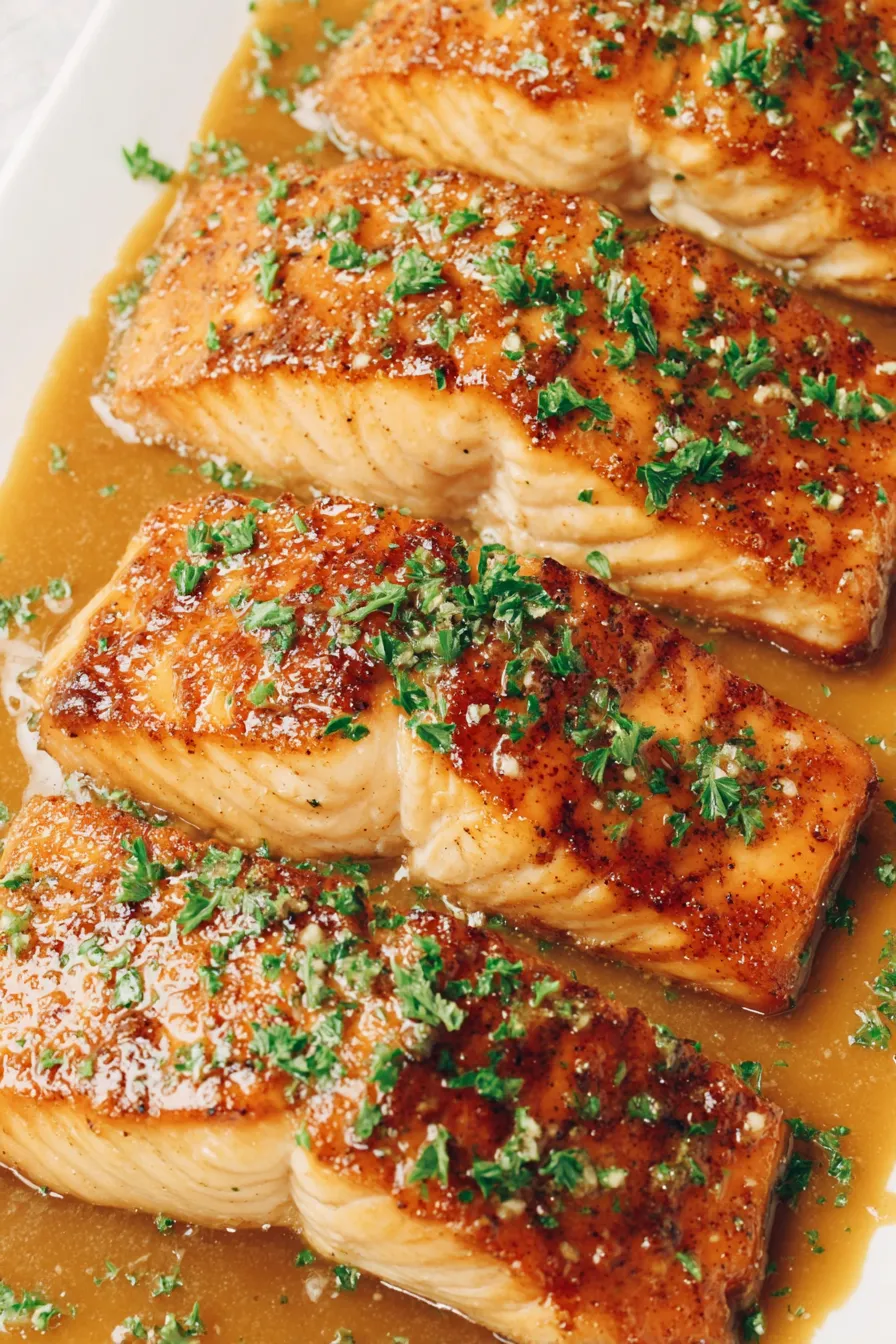
Arctic char is a cold-water fish related to salmon and trout, commonly enjoyed in northern and coastal cuisines where it’s abundant. Historically, indigenous communities in Arctic regions have relied on char as a staple protein. The sweet-and-tangy glaze in this preparation borrows from classic pairings—mustard for acidity and sugar for caramelization—a technique often used in European fish cooking to balance oily flesh and brighten flavors.
In spring and summer, serve the fillets with a fresh herb salad and new potatoes; in autumn, swap to roasted root vegetables and a sprinkle of toasted hazelnuts. During holidays, elevate the glaze by adding a teaspoon of orange zest and a pinch of crushed allspice for warmth. In warmer months, serve chilled on a bed of mixed greens with a lemony vinaigrette for a light, composed plate.
For meal prep, mix the glaze ahead and store it in a sealed jar in the fridge for up to 48 hours. Keep fillets raw on a parchment-lined tray in the fridge and assemble just before cooking to avoid sogginess. Portion cooked fillets alongside roasted vegetables in shallow meal prep containers—add a wedge of lemon to brighten when reheating. Label containers with dates and use within 48 hours for best texture and flavor.
Try this glaze on different fish and tweak sugar and lemon to suit your taste. The joy comes from how a few pantry staples can transform a simple fillet into a memorable dinner—one that’s easy enough for a weeknight and special enough for company.
Always pat fillets dry to ensure the glaze adheres and the fish roasts rather than steams.
Start checking for doneness at 10 minutes for fillets around 1/2 inch thick to avoid overcooking.
If you prefer crisp skin, briefly broil at the end while watching carefully to prevent the sugar from burning.
Make the glaze a day ahead and store it in the refrigerator for quick assembly on busy nights.
This nourishing brown sugar dijon arctic char recipe is sure to be a staple in your kitchen. Enjoy every moist, high protein slice — it is perfect for breakfast or as a wholesome snack any time.
Check for doneness by flaking the thickest part with a fork; it should separate into flakes and register about 125°F to 135°F for moist, slightly medium fish.
Yes, frozen Arctic char can be used but thaw it in the refrigerator overnight and pat completely dry before glazing and baking.
This Brown Sugar Dijon Arctic Char recipe makes perfectly juicy, tender, and flavorful steak every time! Serve with potatoes and a side salad for an unforgettable dinner in under 30 minutes.
Preheat oven to 400°F and place the rack in the upper third. Line a baking sheet with foil and lightly grease to prevent sticking.
Pat fish completely dry with paper towels and place skin-side down on the prepared sheet. Lightly season with salt and pepper.
In a small bowl, whisk together the Dijon mustard, brown sugar, lemon juice and garlic powder until smooth. Taste and adjust acidity or sweetness as desired.
Spread the mixture evenly over the top of each fillet and bake, uncovered, for 10 to 15 minutes depending on thickness. Check at 10 minutes for 1/2-inch fillets. Fish is done when it flakes easily and registers 125°F–135°F.
Let rest 1–2 minutes, sprinkle with chopped parsley and additional salt and pepper if desired. Slide off the skin when serving if you prefer it not crisped.
Last Step: Please leave a rating and comment letting us know how you liked this recipe! This helps our business to thrive and continue providing free, high-quality recipes for you.
Leave a comment & rating below or tag
@culinya on social media!
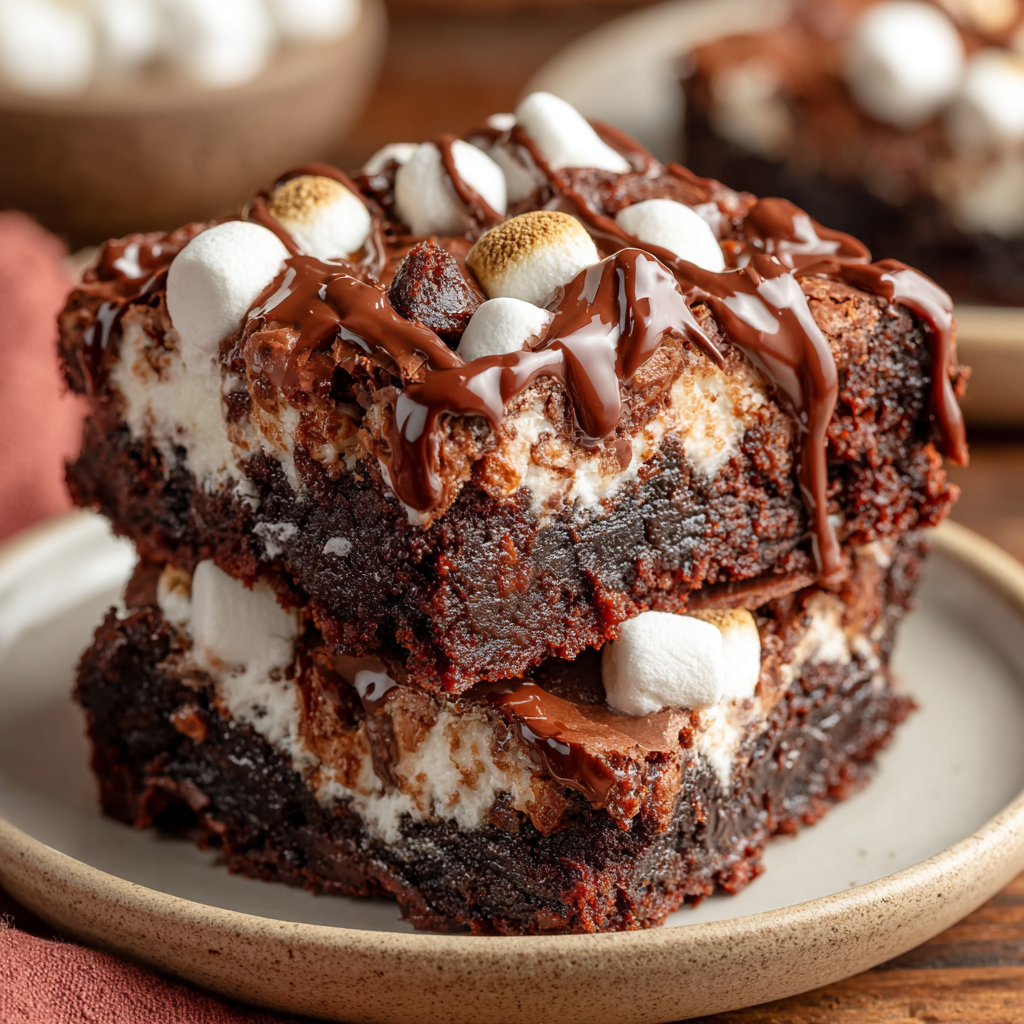
Ultra-fudgy brownies crowned with gooey mini marshmallows and a quick-set chocolate icing. Crowd-pleasing, nostalgic, and irresistibly rich in every bite.
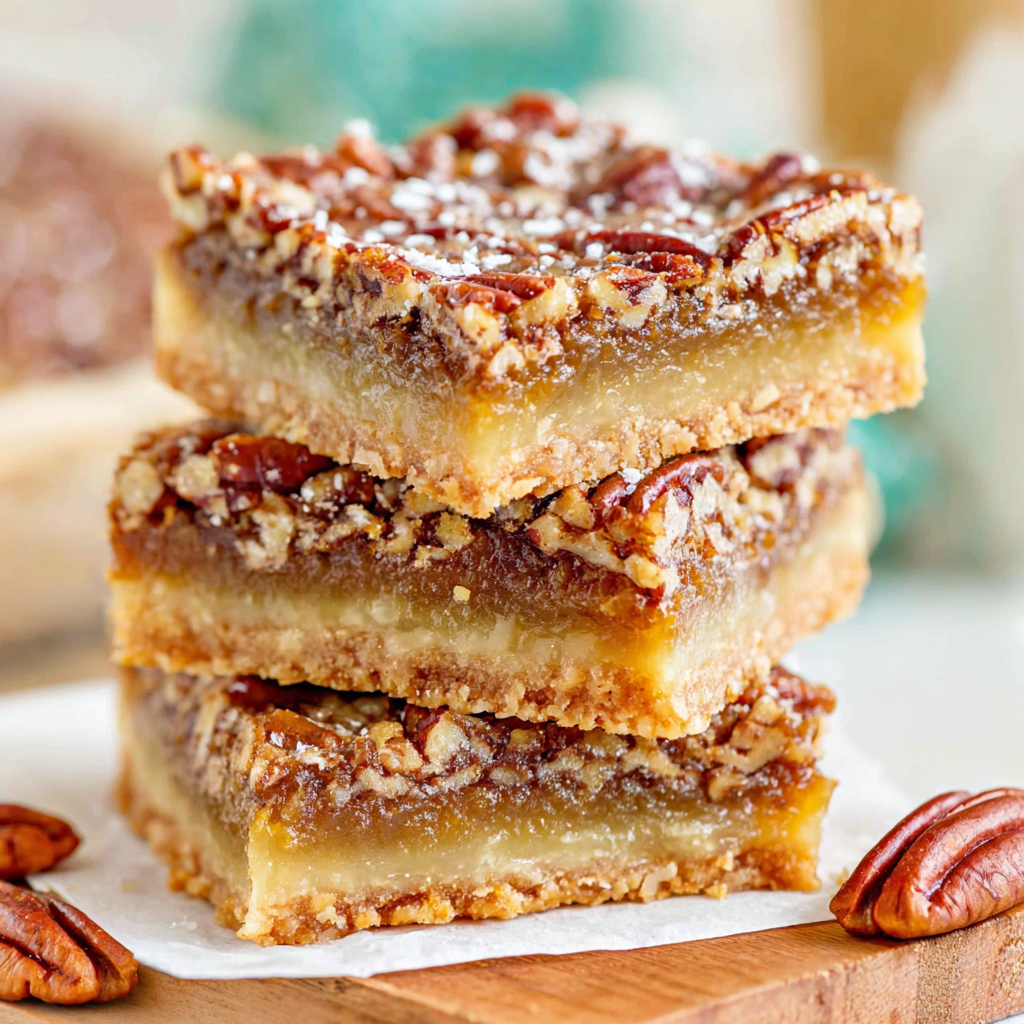
Buttery shortbread crust meets a silky brown sugar pecan topping in these easy pecan pie bars. Just 10 minutes of prep for bakery-level bliss.
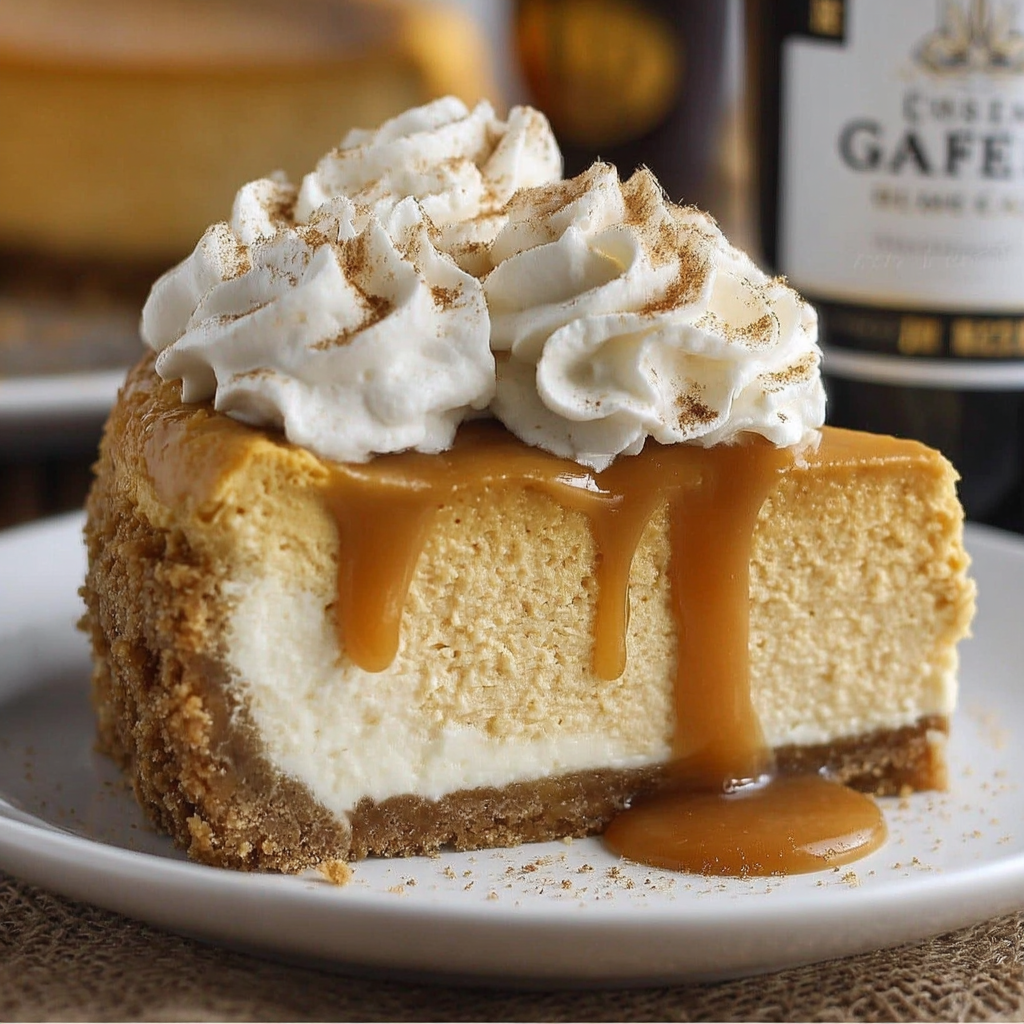
A flawlessly smooth pumpkin cheesecake with warm spice, buttery graham crust, and no cracks. Finish with caramel and rum-kissed whipped cream.
Leave a comment & rating below or tag @culinya on social media!
Enjoyed this recipe? Share it with friends and family, and don't forget to leave a review!
This recipe looks amazing! Can't wait to try it.
Comments are stored locally in your browser. Server comments are displayed alongside your local comments.

Join to receive our email series which contains a round-up of some of our quick and easy family favorite recipes.