>>

An iconic sweet and savory roast with prunes, olives, capers, and brown sugar glazed over tender bone-in chicken. A celebratory Mediterranean classic perfect for gatherings.
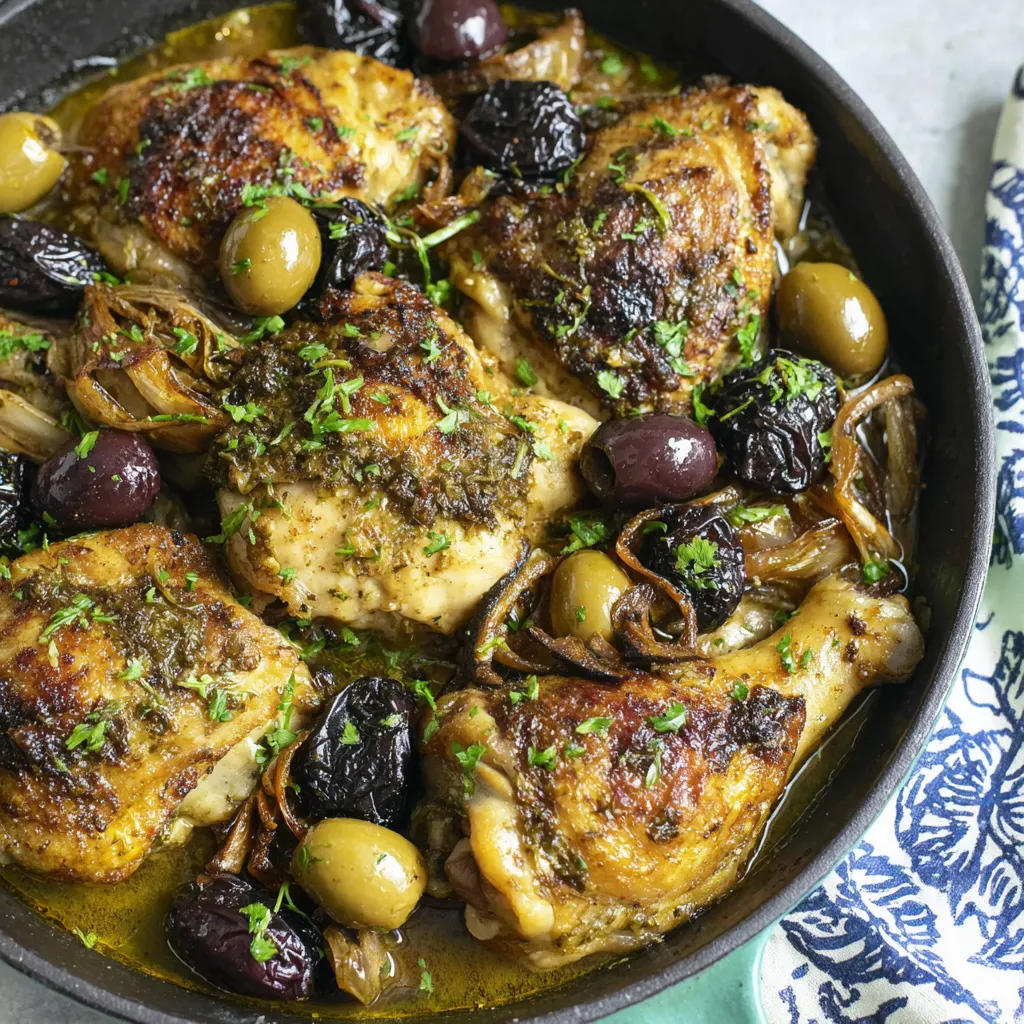
This Chicken Marbella is one of those dishes that instantly transports you to a friendly table full of conversation and generous portions. I first encountered this combination of tart vinegar, sweet prunes, briny olives, and capers at a family dinner where a neighbor brought a large pan warm from her oven. The contrast of flavors was so striking it felt like a revelation, and I soon adapted the method to suit my weeknight life. The result is deeply savory dark meat with glossy, caramelized sugar and a tangy, slightly fruity pan sauce that insists on crusty bread for mopping.
I usually make this for holidays and casual dinner parties because it scales beautifully and rewards patience in the marinade step. The bone-in thighs and drumsticks stay juicy even after a long roast and pick up the marinade flavors wonderfully. The texture is at once tender and crisp where the skin caramelizes. This dish is part technique and part trust in the chemistry between vinegar, sugar, and time. It has become my go-to when I want something showy yet simple enough to prepare ahead and enjoy with friends.
My family always asks for this when we need comfort paired with something celebratory. The first time I served it at a winter dinner party, guests kept returning to the pan for more prunes and olives and commented on how unusual and addictive the sauce was. Over time I learned to balance the brown sugar and vinegar so the dish is lively rather than cloying, and that small changes to olive type or wine can shift the character delightfully.
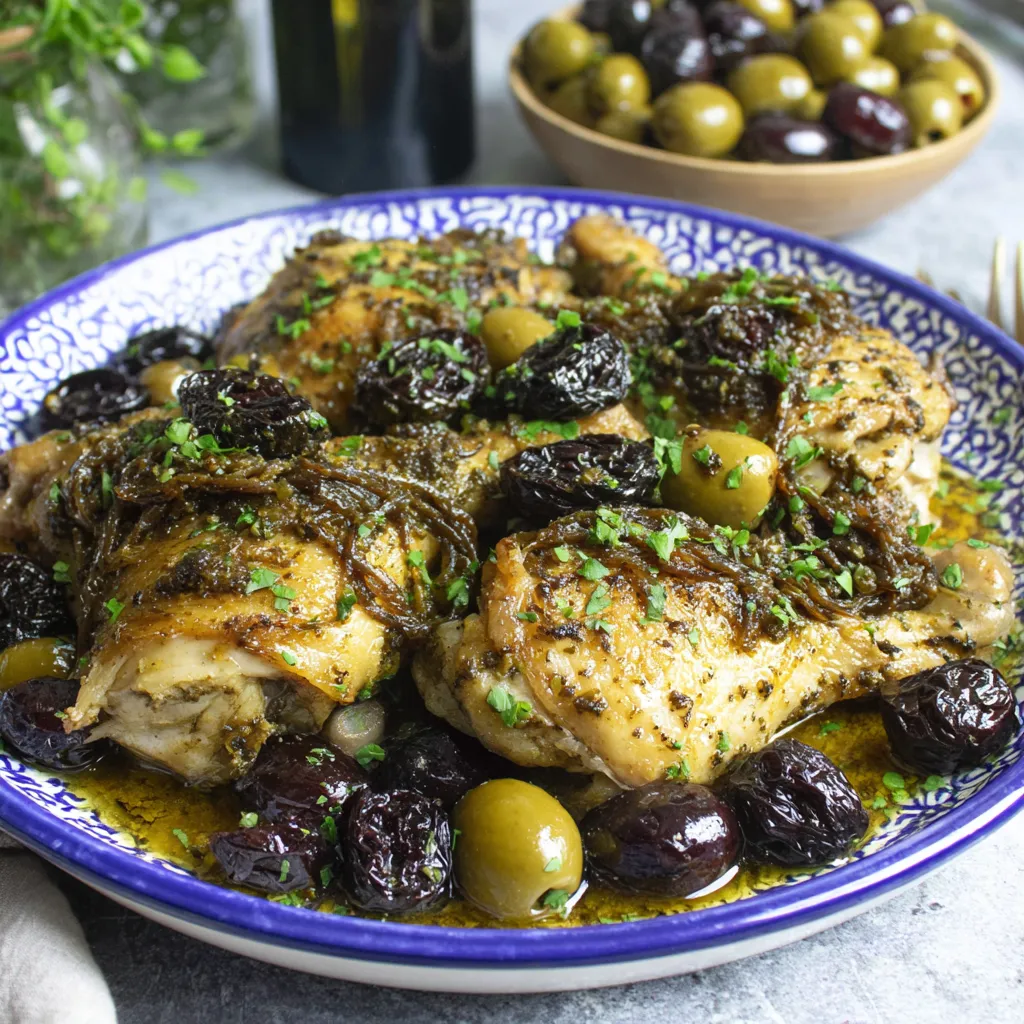
My favorite aspect is how the components transform into a layered sauce where sweet prunes and briny elements play tag on the palate. One winter I doubled the batch for a neighborhood potluck and arrived to empty platters and requests for the recipe. Over time I learned small adjustments. If your olives are very salty, rinse them to avoid over salting. If you prefer a brighter finish, add a tablespoon of fresh lemon juice just before serving.
Store leftovers in a shallow airtight container in the refrigerator for up to four days. For longer storage, portion the chicken and sauce into freezer safe containers and freeze for up to three months. When reheating, thaw overnight in the refrigerator, then warm gently in a 325 F oven until heated through to preserve texture. Reheat pan juices on the stove and spoon over the chicken rather than microwaving the pieces to prevent the skin from becoming soggy.
If you cannot find prunes, dried cherries or figs work as alternatives though each will shift the flavor profile slightly. For olives you can swap in Kalamata for a darker, fruitier note; reduce any rinsing if they are very salty. White wine can be replaced with low-sodium chicken stock plus a tablespoon of white wine vinegar if you prefer to avoid alcohol. Brown sugar may be swapped for honey at a slightly reduced quantity to avoid excessive sweetness.
Serve over fluffy couscous, saffron rice, or buttered orzo to absorb the sauce. A crisp green salad dressed with lemon vinaigrette cuts the richness, as does a simple yogurt herb sauce on the side. Garnish with extra chopped parsley and lemon wedges for brightness. For festive meals, present the whole pan at the table so guests can help themselves to prunes and olives, and provide plenty of crusty bread for mopping.
The dish traces its inspiration to Mediterranean flavor combinations where sweet dried fruit and briny elements meet roasted meats. Variants appear across Spanish and Moorish influenced cooking where olives, vinegar, and preserved fruits bring contrasting notes. The modern plated version you often see on American tables owes much to mid century reinterpretations that emphasized glazed finishes and generous garnishes, turning home pantry items into celebratory fare.
In winter use darker dried fruits like figs and add a stick of cinnamon to the marinade for warming spice. In spring and summer lighten the dish with extra lemon zest and replace some of the brown sugar with a tablespoon of honey. For holidays increase quantities and add roasted root vegetables to the pan so they braise in the pan juices, creating a one pan centerpiece that feeds a crowd.
Double the marinade and chicken to stash half in the freezer before roasting. You can marinate and freeze raw in vacuum bags; thaw overnight in the refrigerator before roasting. Alternatively, roast the whole batch and freeze individual portions with sauce in meal sized containers. For quick weeknight dinners, reheat in a moderate oven and finish under a broiler briefly to refresh the glaze and crisp the skin.
Make this recipe your own by adjusting the balance of sweet, sour, and salty. It rewards small experiments such as using orange zest, swapping dried fruit, or trying different olive varieties. Serve it with good company and plenty of bread, and you will find it returns to your table again and again.
Pat the chicken dry before arranging in the roasting pan so the sugar adheres and the skin crisps.
If olives are very salty, rinse briefly under cold water to avoid oversalting the dish.
Use a meat thermometer and remove chicken at 165 F for safe and juicy results.
Tent with foil if the skin browns too quickly to prevent burning while the interior finishes cooking.
Skim excess fat from the pan juices and reduce briefly on the stove for a glossy finishing sauce.
This nourishing chicken marbella recipe is sure to be a staple in your kitchen. Enjoy every moist, high protein slice — it is perfect for breakfast or as a wholesome snack any time.
Yes, you can marinate the chicken up to 24 hours in the refrigerator for deeper flavor. Overnight is ideal.
Yes, leftovers keep refrigerated for up to four days and freeze well for three months.
This Chicken Marbella recipe makes perfectly juicy, tender, and flavorful steak every time! Serve with potatoes and a side salad for an unforgettable dinner in under 30 minutes.
Combine garlic, oregano, salt, pepper, red wine vinegar, olive oil, prunes, olives, capers, and bay leaves in a large bowl or zip-top bag. Add chicken and coat well. Refrigerate at least 6 hours or overnight, turning occasionally.
Preheat oven to 350 F. Arrange chicken in a single layer in a large roasting pan, pour marinade over the pieces, sprinkle brown sugar on top, and pour white wine into the pan around the chicken.
Roast for 50 to 60 minutes, basting occasionally with pan juices. Roast until skin is golden and an instant read thermometer reads 165 F. Tent with foil if skin browns too quickly.
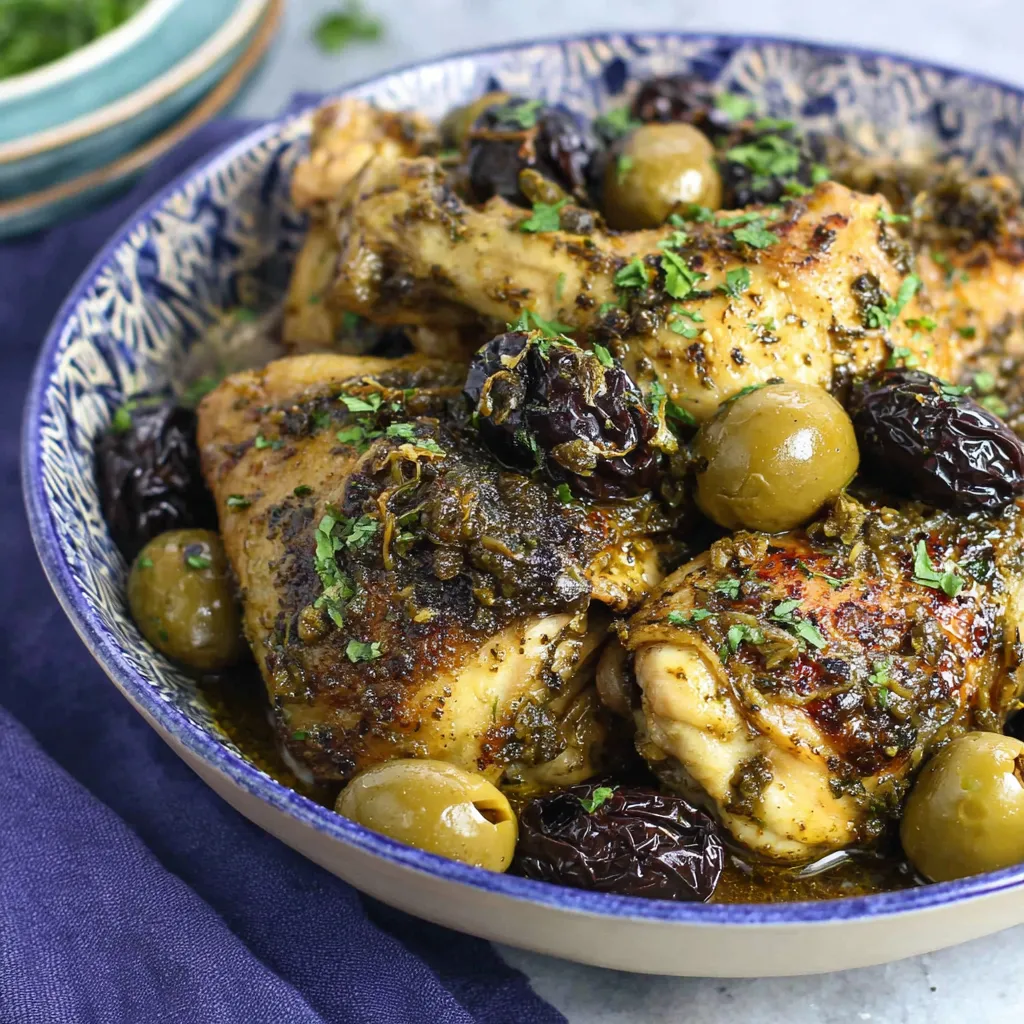
Transfer chicken to a platter, spoon prunes, olives, and capers on top, and drizzle with pan juices. Garnish with chopped parsley and serve with crusty bread, couscous, or rice.
Last Step: Please leave a rating and comment letting us know how you liked this recipe! This helps our business to thrive and continue providing free, high-quality recipes for you.
Leave a comment & rating below or tag
@culinya on social media!
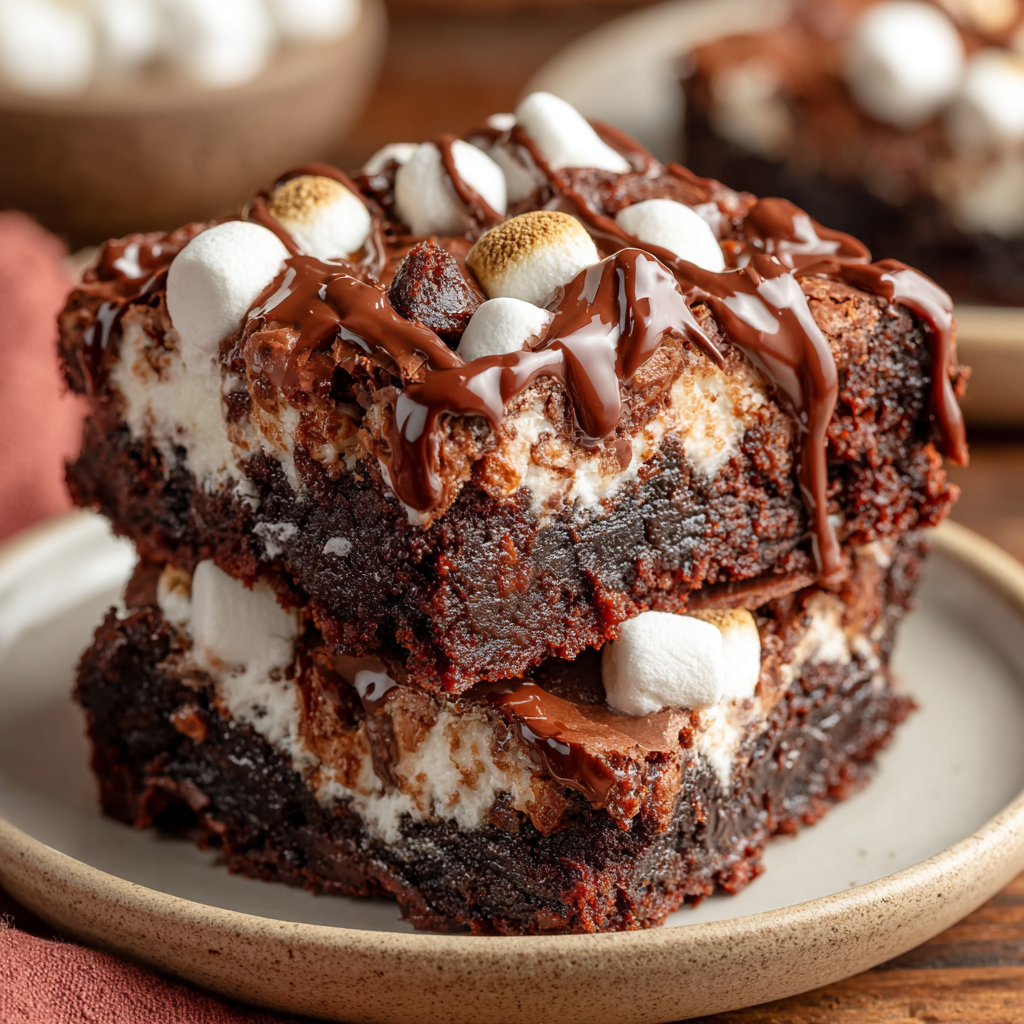
Ultra-fudgy brownies crowned with gooey mini marshmallows and a quick-set chocolate icing. Crowd-pleasing, nostalgic, and irresistibly rich in every bite.
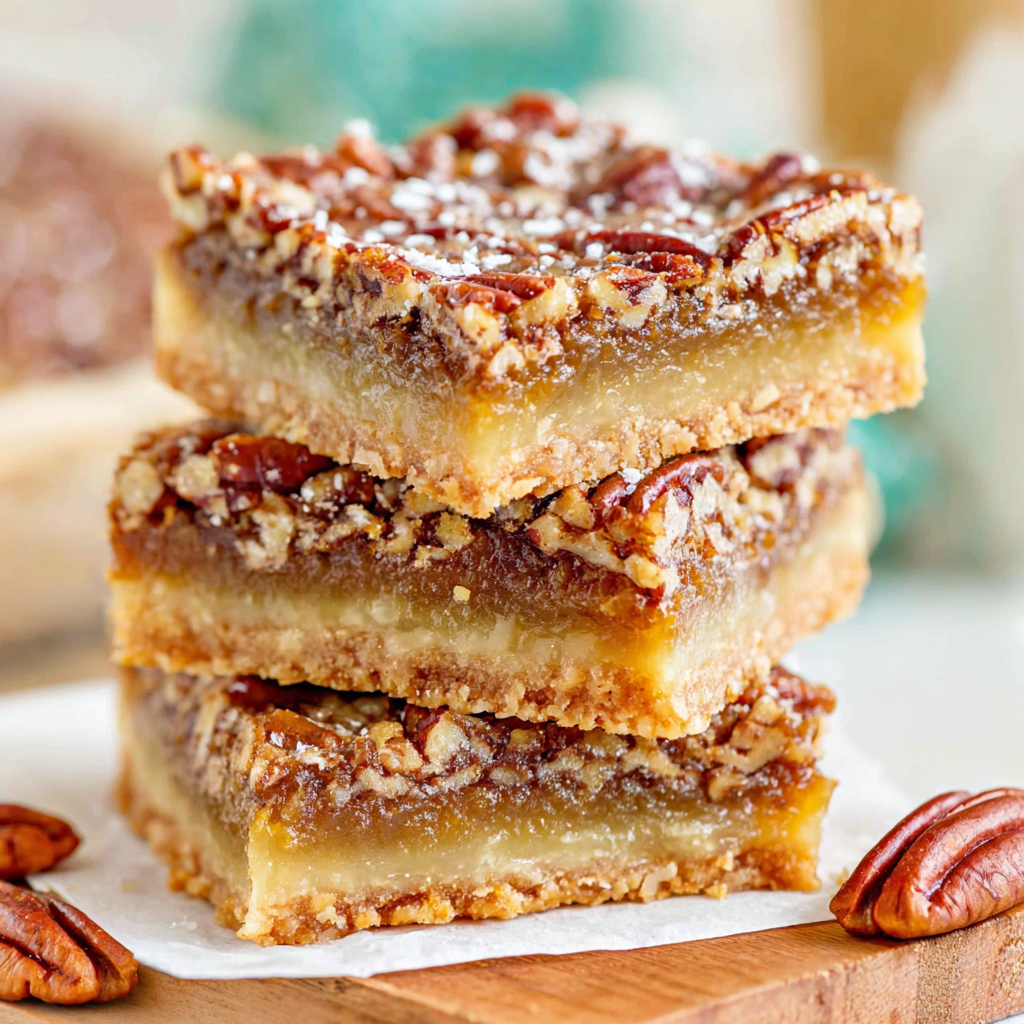
Buttery shortbread crust meets a silky brown sugar pecan topping in these easy pecan pie bars. Just 10 minutes of prep for bakery-level bliss.
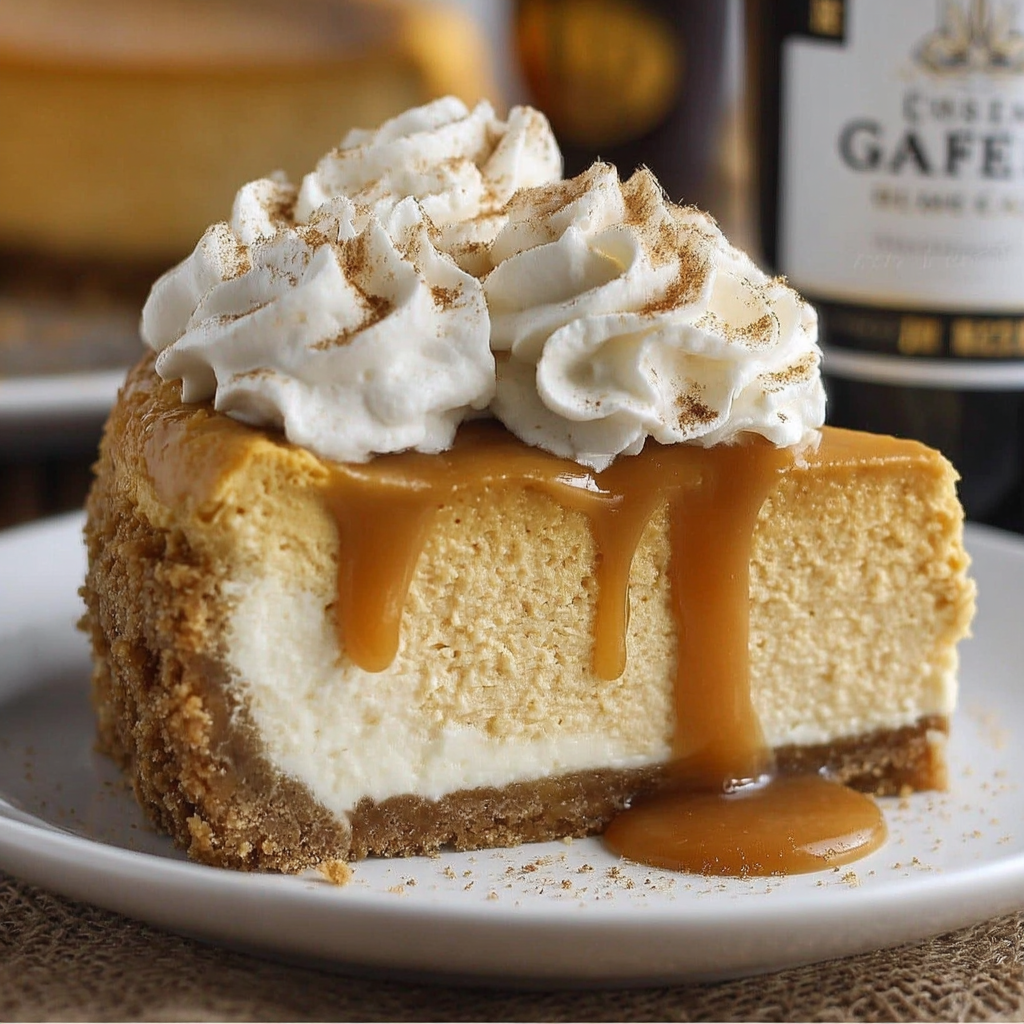
A flawlessly smooth pumpkin cheesecake with warm spice, buttery graham crust, and no cracks. Finish with caramel and rum-kissed whipped cream.
Leave a comment & rating below or tag @culinya on social media!
Enjoyed this recipe? Share it with friends and family, and don't forget to leave a review!
This recipe looks amazing! Can't wait to try it.
Comments are stored locally in your browser. Server comments are displayed alongside your local comments.

Join to receive our email series which contains a round-up of some of our quick and easy family favorite recipes.