>>

A bright, creamy tartar sauce made with crunchy dill pickles, capers, and a touch of mustard — the perfect partner for seafood and more.
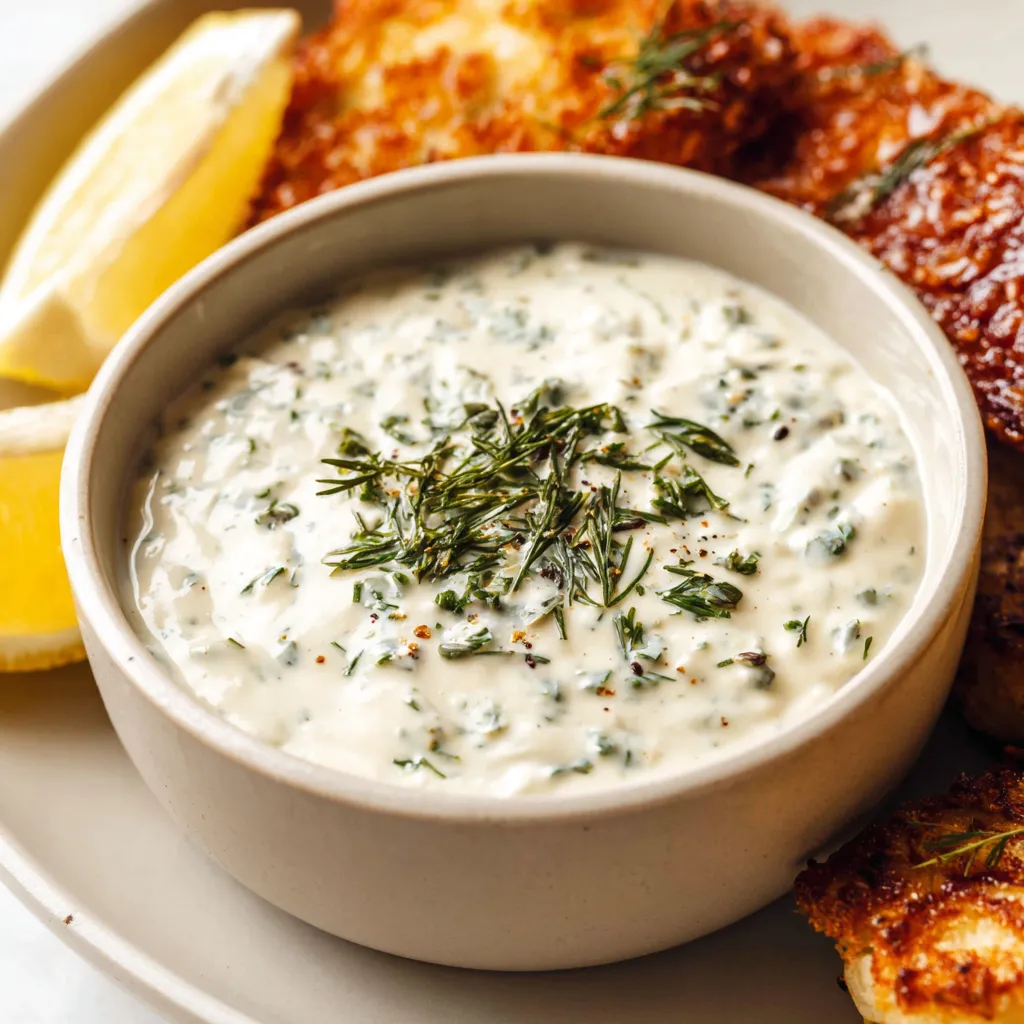
This tartar sauce has been my go-to condiment for as long as I can remember — a simple, reliable mix that elevates everything from flaky fried fish to roasted vegetables. I first pinned down this balance of tang, herb, and creaminess one summer when I was hosting a backyard fish fry and wanted a sauce that felt fresh but also familiar. The crunch of finely chopped dill pickles, the briny lift from capers, and the soft background heat of a touch of hot sauce all come together to create a sauce that’s lively without overwhelming the main dish.
I keep a jar of this on hand in the refrigerator most weeks; it’s the kind of thing guests reach for without asking. The texture is creamy but with bite, thanks to the pickles and capers, while the lemon juice and mustard add brightness that cuts through fried coating or rich fish. It’s also shockingly quick to make — just five minutes of stirring — and it benefits from a short rest in the fridge so the flavors meld. Whether you’re serving it with beer-battered cod, grilled shrimp, or simply as a sandwich spread, this version always gets compliments.
On our first family seafood night using this version, my partner told me it tasted like the sauces we enjoyed on vacation at a coastal café — bright and balanced. My kids, usually picky about condiments, declared it “the good kind” and asked for seconds on fish tacos. That kind of unanimous approval is why I keep this formula in my go-to collection.
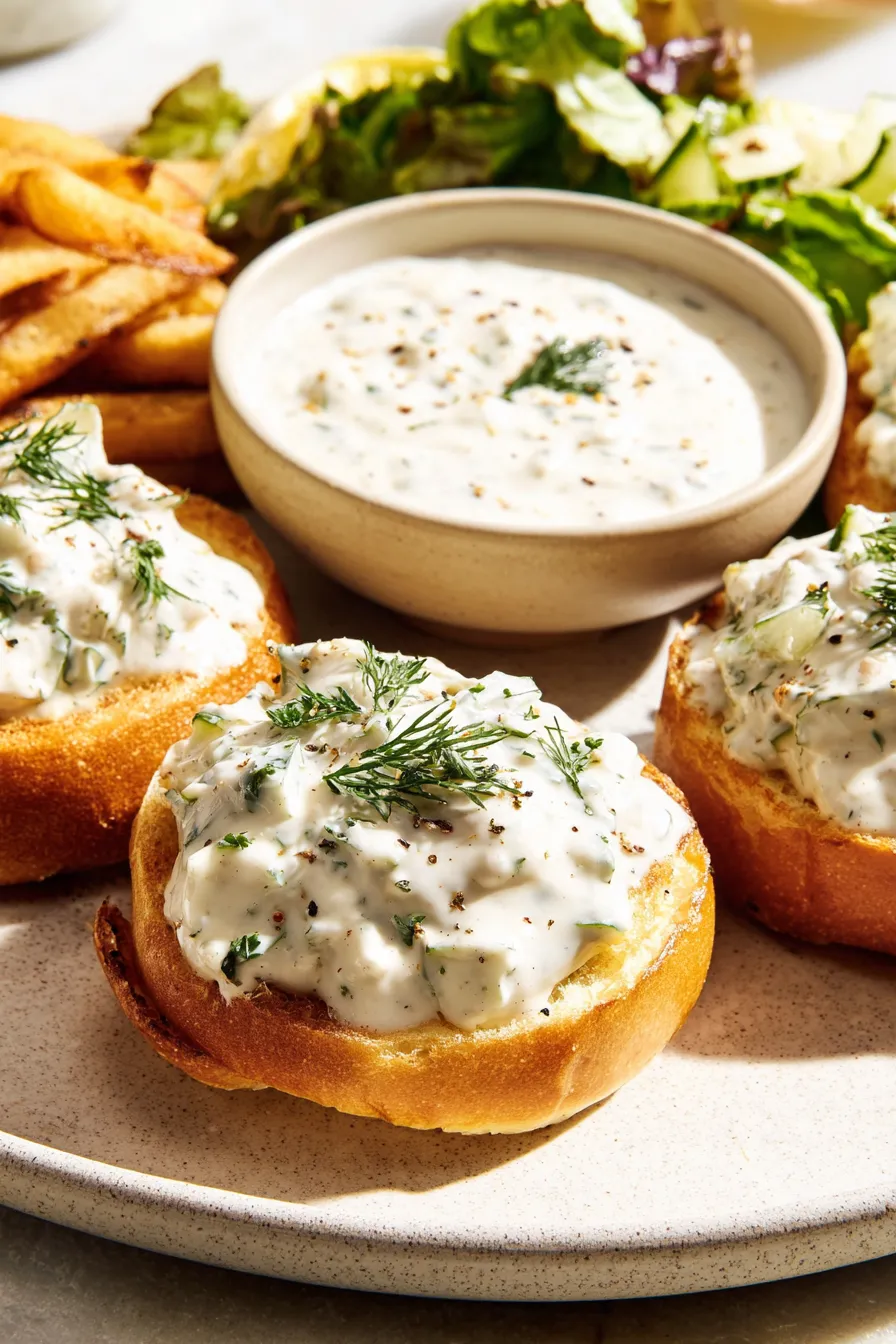
My favorite part about this mixture is how adaptable it is — once you have the base down, you can dial it up or down for heat, herbiness, or brightness. At a recent dinner party, I made a double batch: one classic, and one swapped with finely minced cornichons and extra dill for a sharper bite. Both disappeared within minutes, which is always a gratifying sign.
Store the sauce in a clean, airtight jar or container to prevent odors from the refrigerator seeping in. Glass jars with tight lids are ideal because they won’t retain flavors. Keep chilled and use within seven days; after that the pickles lose their crunch and the mayonnaise can begin to separate. To re-freshen slightly before serving, give the sauce a light stir and adjust seasoning with a squeeze of lemon or a pinch of salt if it tastes muted after sitting.
If you don’t have capers, substitute with finely chopped green olives (pitted) for briny complexity. For a lighter sauce, swap half the mayonnaise for plain Greek yogurt — expect a tangier flavor and slightly thinner texture. Vegan mayonnaise can be used for a plant-based version, but it changes the palette slightly because vegan mayo tends to be tangier and less rich. If you lack fresh parsley, a small pinch of dried parsley will do in a pinch, or substitute with chopped dill for a more herb-forward profile.
This sauce shines next to fried or grilled fish — try it with beer-battered cod, pan-fried halibut, or simple grilled shrimp. It’s also excellent as a spread for sandwiches, particularly crab cake or po'boy-style builds, and makes a wonderful dip for baked potato wedges or roasted asparagus. Garnish plates with a sprig of parsley and a lemon wedge to highlight the sauce’s brightness. For a casual spread, serve with kettle chips and crudités for dipping.
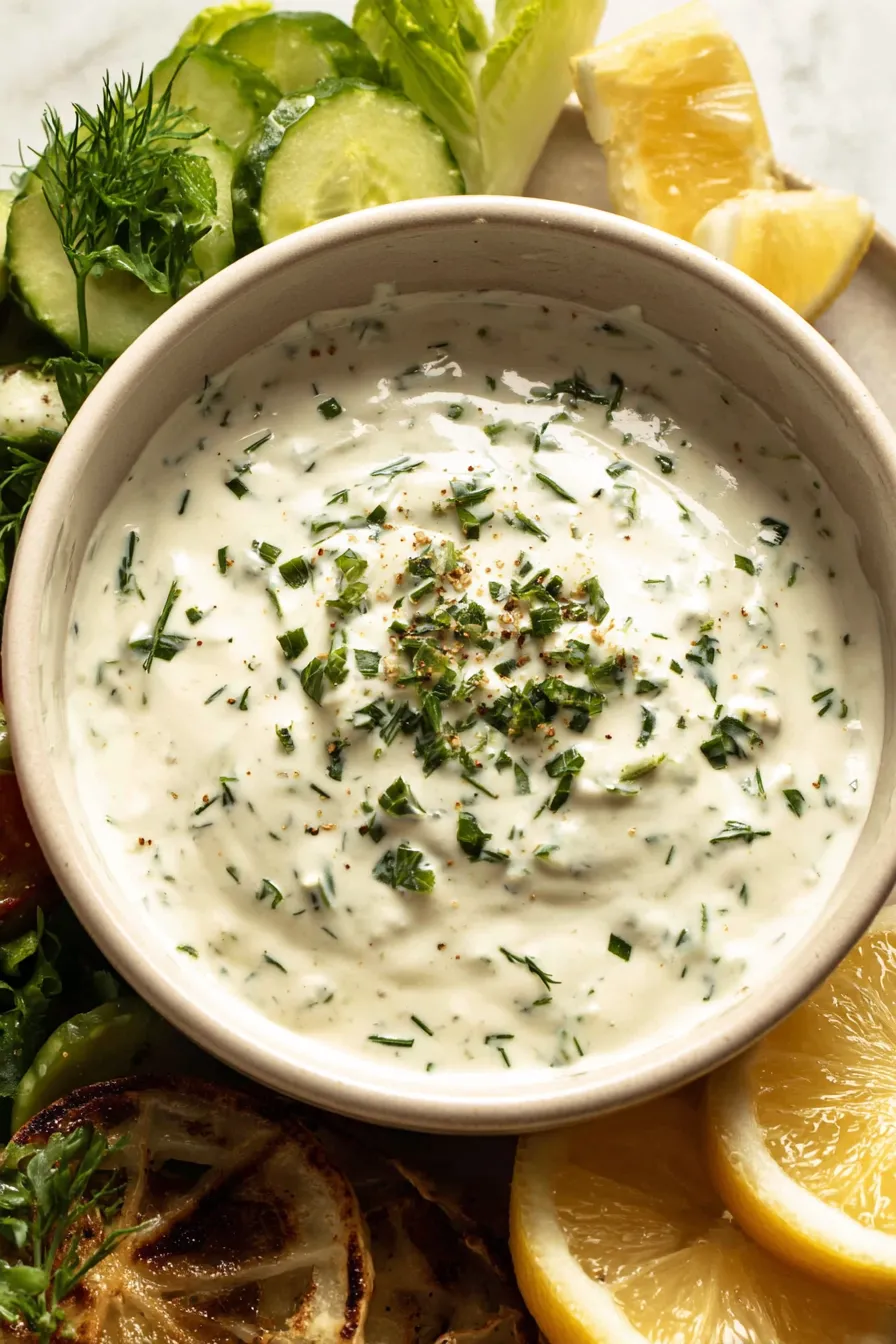
The condiment we call tartar sauce has roots in European and American seafood traditions, evolving from earlier mayonnaise-based sauces seasoned with herbs, capers, and pickles. Its name likely references the tangy style associated with “à la tartare,” which historically meant serving with chopped or piquant accompaniments. In coastal communities, tartar-style sauces became the natural companion to fried and grilled seafood, where the acidity cuts through oil and enhances flaky textures.
In summer, swap parsley for fresh dill and increase lemon juice for a brighter finish — it pairs beautifully with grilled seasonal fish. In winter, fold in a small spoonful of roasted garlic paste for a deeper, savory profile that complements heartier seafood dishes. For holiday menus, consider infusing the sauce with finely grated horseradish to serve alongside smoked salmon or cold seafood platters.
Make a batch ahead of time and portion into small containers for easy weekday use. This sauce is a great addition to lunchboxes — use a tiny condiment pot to keep sandwiches crisp. When prepping for a crowd, multiply the recipe and keep extra lemon wedges and chopped fresh herbs nearby so guests can customize. Always label the container with the preparation date to keep track of freshness.
Whether you’re dolloping it over fried fish, spreading it on sandwiches, or serving it as a dip, this tartar sauce is a small touch that makes a meal feel thoughtful. Try it once and you’ll understand why it’s a staple in my kitchen — versatile, fast, and endlessly improvable.
Chill the sauce for at least 30 minutes before serving to let flavors meld.
If the sauce tastes too sharp, balance acidity with a pinch of sugar or an extra dollop of mayonnaise.
Rinse salt-packed capers and pat dry before chopping to control saltiness.
Use a glass jar with a tight lid for storage to avoid absorbing refrigerator odors.
This nourishing classic homemade tartar sauce recipe is sure to be a staple in your kitchen. Enjoy every moist, high protein slice — it is perfect for breakfast or as a wholesome snack any time.
Recipe data validation failed
Please check the recipe data format. See console for details.
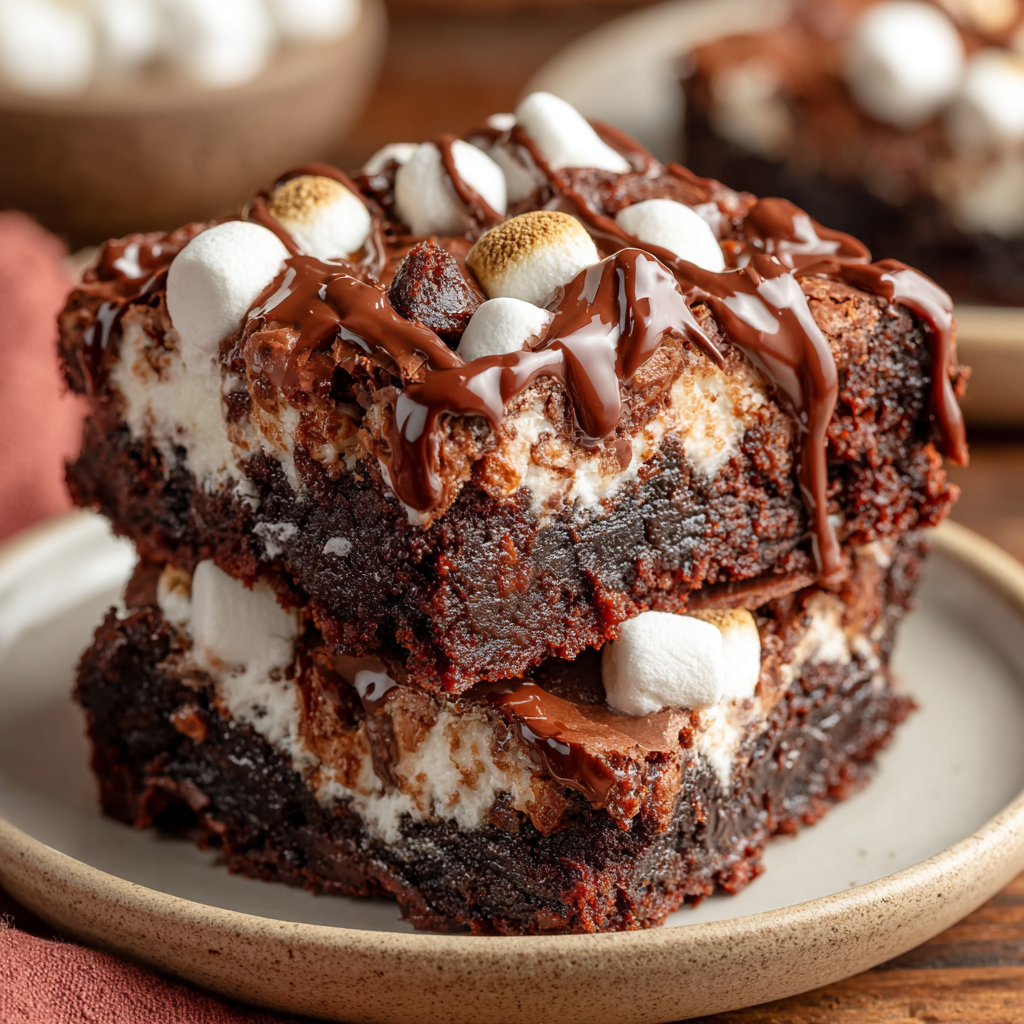
Ultra-fudgy brownies crowned with gooey mini marshmallows and a quick-set chocolate icing. Crowd-pleasing, nostalgic, and irresistibly rich in every bite.
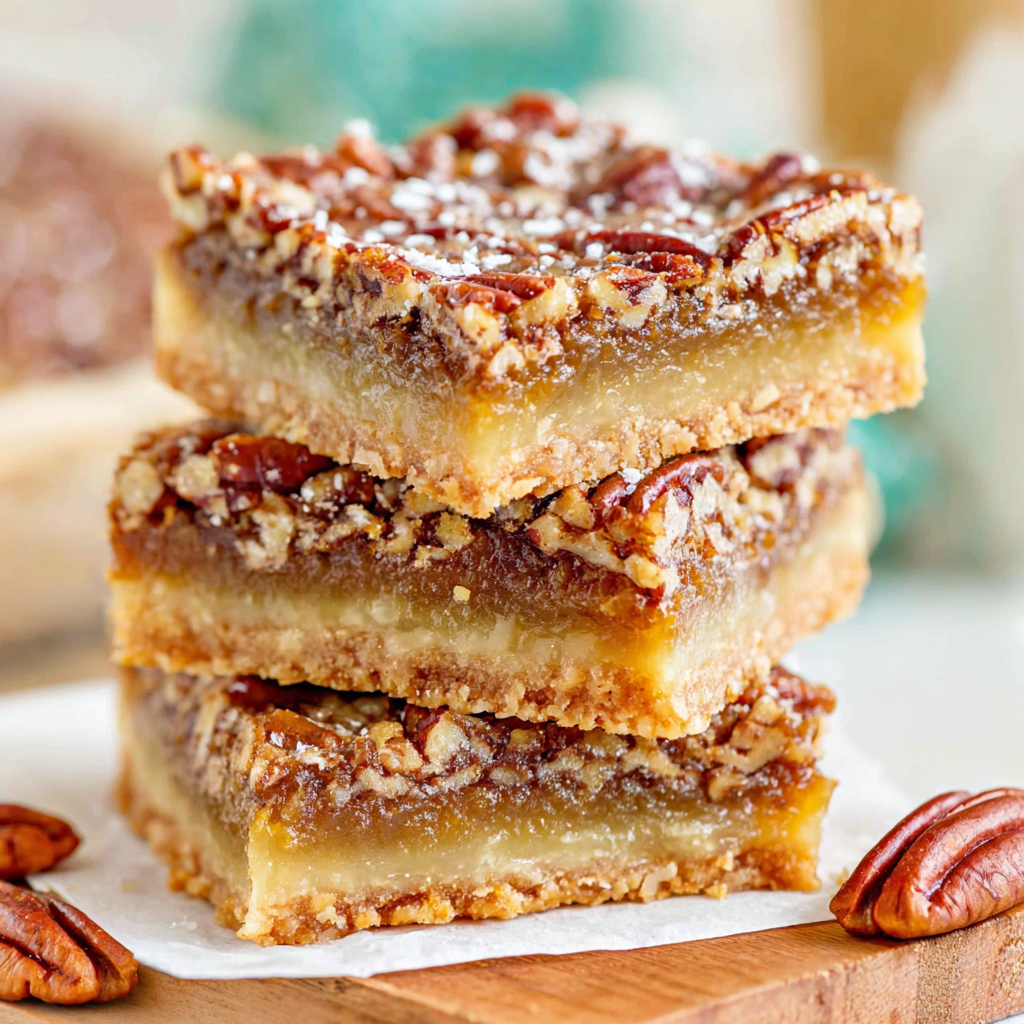
Buttery shortbread crust meets a silky brown sugar pecan topping in these easy pecan pie bars. Just 10 minutes of prep for bakery-level bliss.
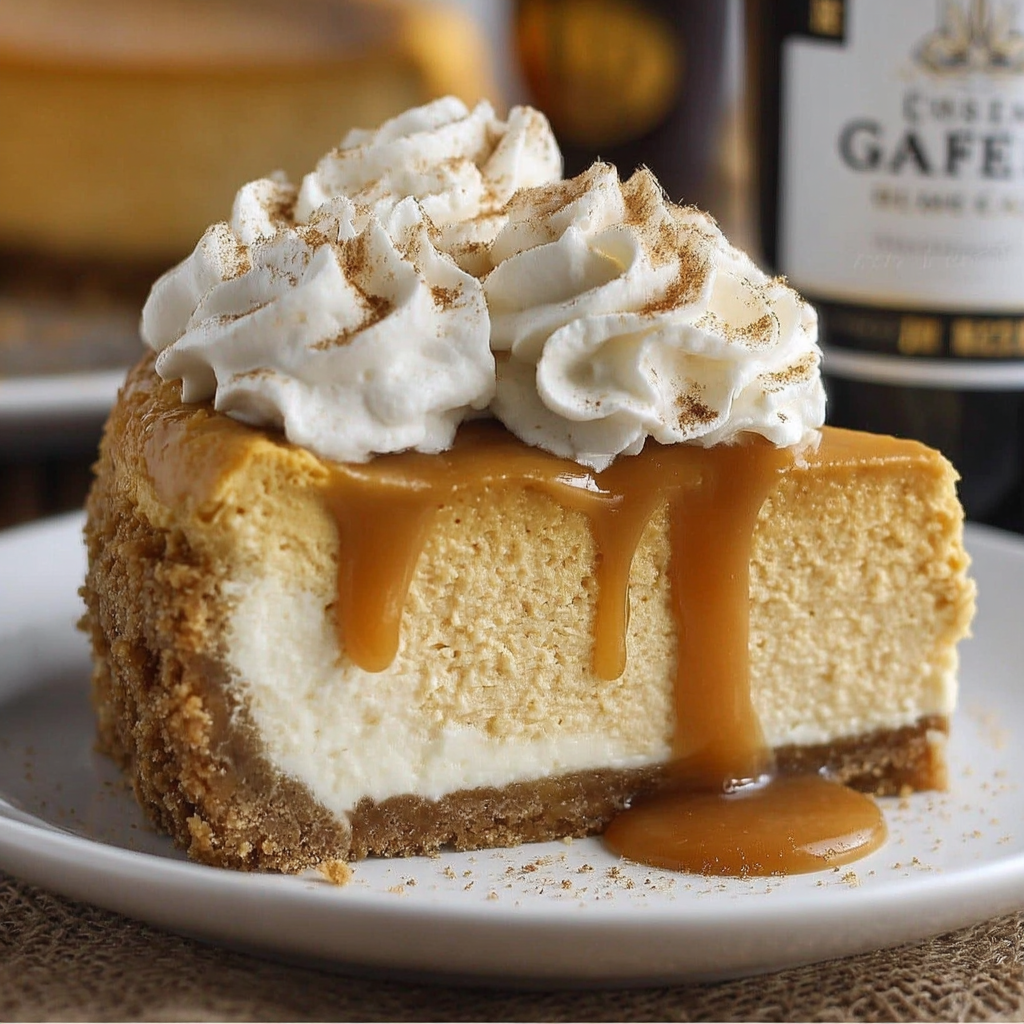
A flawlessly smooth pumpkin cheesecake with warm spice, buttery graham crust, and no cracks. Finish with caramel and rum-kissed whipped cream.
Leave a comment & rating below or tag @culinya on social media!
Enjoyed this recipe? Share it with friends and family, and don't forget to leave a review!
This recipe looks amazing! Can't wait to try it.
Comments are stored locally in your browser. Server comments are displayed alongside your local comments.

Join to receive our email series which contains a round-up of some of our quick and easy family favorite recipes.