>>

Creamy, cheesy scalloped potatoes made with thinly sliced spuds, a savory white sauce, and fresh thyme—perfect for holidays, weeknights, and make-ahead meals.
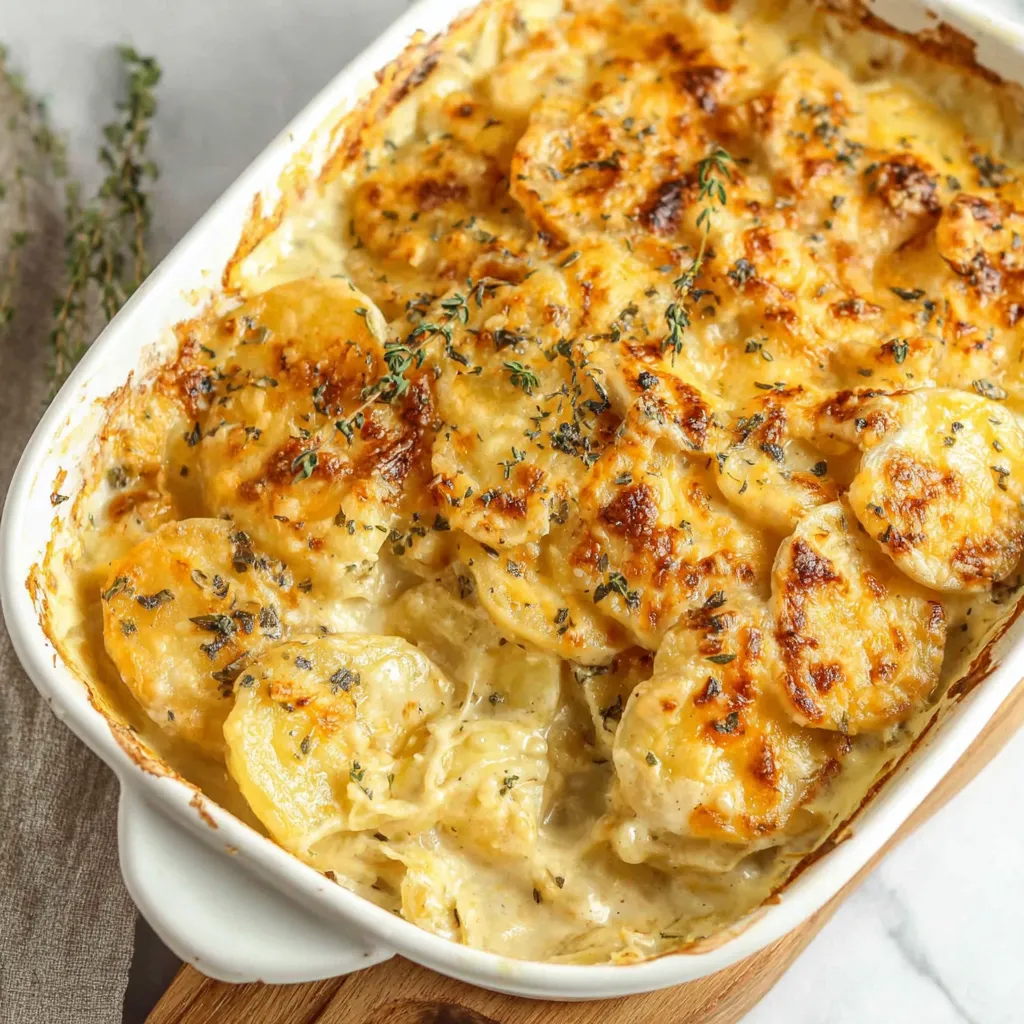
This scalloped potatoes recipe has been a staple on my table for as long as I can remember. I first learned this version in my grandmother’s kitchen—on a crisp November afternoon she taught me how to coax creaminess from simple pantry ingredients until the sauce hugged each thin potato slice. What makes this dish special is the interplay of textures: paper-thin potatoes that soften into tender ribbons, a velvety white sauce that thickens just right, and a golden edge where the cheese kisses the top. The aroma fills the house and pulls people toward the kitchen, and I still watch family members reach for more with the same delight I felt learning it.
I discovered a small tweak that elevated the dish for my family: a splash of hot chicken broth into the roux before the milk, which cuts any starchy heaviness and gives a bright savory backbone. The thyme—both dried in the sauce and fresh on top—adds an herbal lift that keeps the richness lively. This is the kind of side that sits beautifully next to roast meats, makes a cozy centerpiece for vegetarian meals when you swap the broth, and travels well to potlucks. When I serve it, people often ask for the recipe, and it’s one of those dishes that becomes part of family tradition in a single bite.
In my house, this dish has turned casual dinners into occasions. I remember one winter Sunday when a last-minute dinner guest arrived, and this was the side that saved the evening—everyone commented on how creamy it was, and the host asked for the exact timing so they could recreate it. Over the years I’ve learned small timing tricks, like letting it rest 10–15 minutes before serving so the slices set and the sauce stops running. That extra patience always pays off.
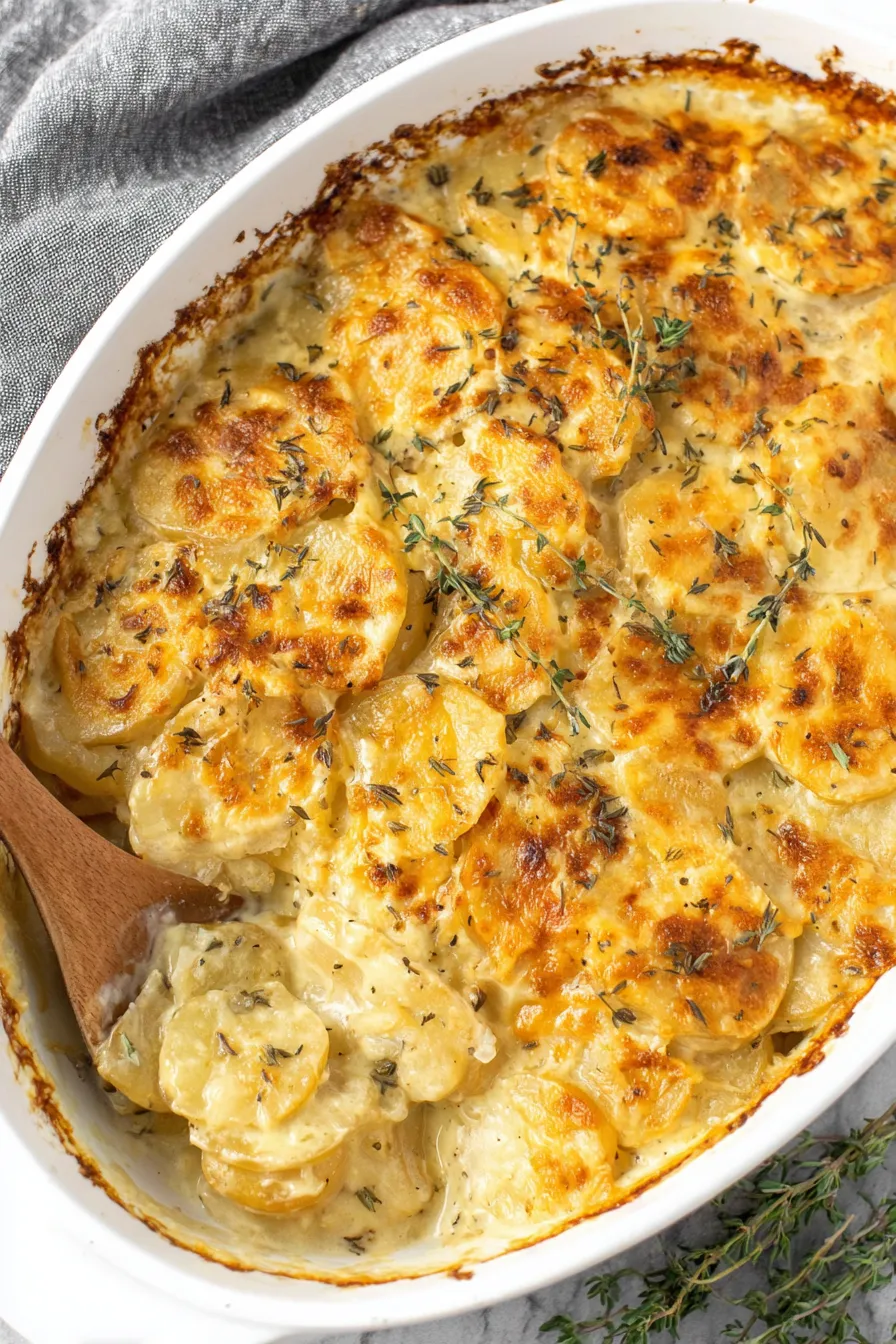
My favorite aspect is how reliably comforting this dish is—it's a guaranteed crowd-pleaser. One holiday I assembled it the night before, baked it while guests were arriving, and it came out golden and perfectly set. The fresh thyme garnish always invites compliments, and I love the little ritual of slicing and serving straight from the pan to plates that shine with creamy sauce.
Cool leftovers to room temperature within two hours and store in an airtight container in the refrigerator for up to 4 days. To reheat, cover with foil and bake at 325°F until warmed through, about 20–30 minutes depending on portion size, or microwave individual portions covered for 2–3 minutes. For longer storage, assemble unbaked in foil pans and freeze for up to 3 months; bake from frozen at 350°F, covered, for 60–80 minutes until tender, then remove foil and bake another 20–30 minutes to brown the top. Use glass or metal pans for best heat conduction and avoid plastic when reheating in the oven.
If you prefer a lighter version, swap whole milk for 2% or use half-and-half for extra creaminess; the texture will vary slightly. For a vegetarian version, substitute vegetable broth for the chicken broth—add a pinch more salt to compensate. To make it gluten-free, use a 1:1 gluten-free flour blend or cornstarch slurry (mix 1 tablespoon cornstarch with 2 tablespoons cold milk) to thicken the sauce. Swap cheddar for Gruyère for a nuttier profile or mix in Parmesan for sharper savory notes. If you want more herb presence, fold in finely chopped fresh rosemary or a bay leaf while simmering the sauce and remove before layering.
Serve slices as a cozy accompaniment to roast chicken, pork tenderloin, or a carved beef roast. For a vegetarian plate, pair with roasted root vegetables and a crisp salad dressed with lemon vinaigrette to cut through the richness. Garnish with extra fresh thyme, a drizzle of olive oil, or a scattering of chives for color. For a brunch twist, top individual portions with a fried egg. The dish pairs wonderfully with crisp white wines like Sauvignon Blanc or a light Pinot Noir for a heartier meal.
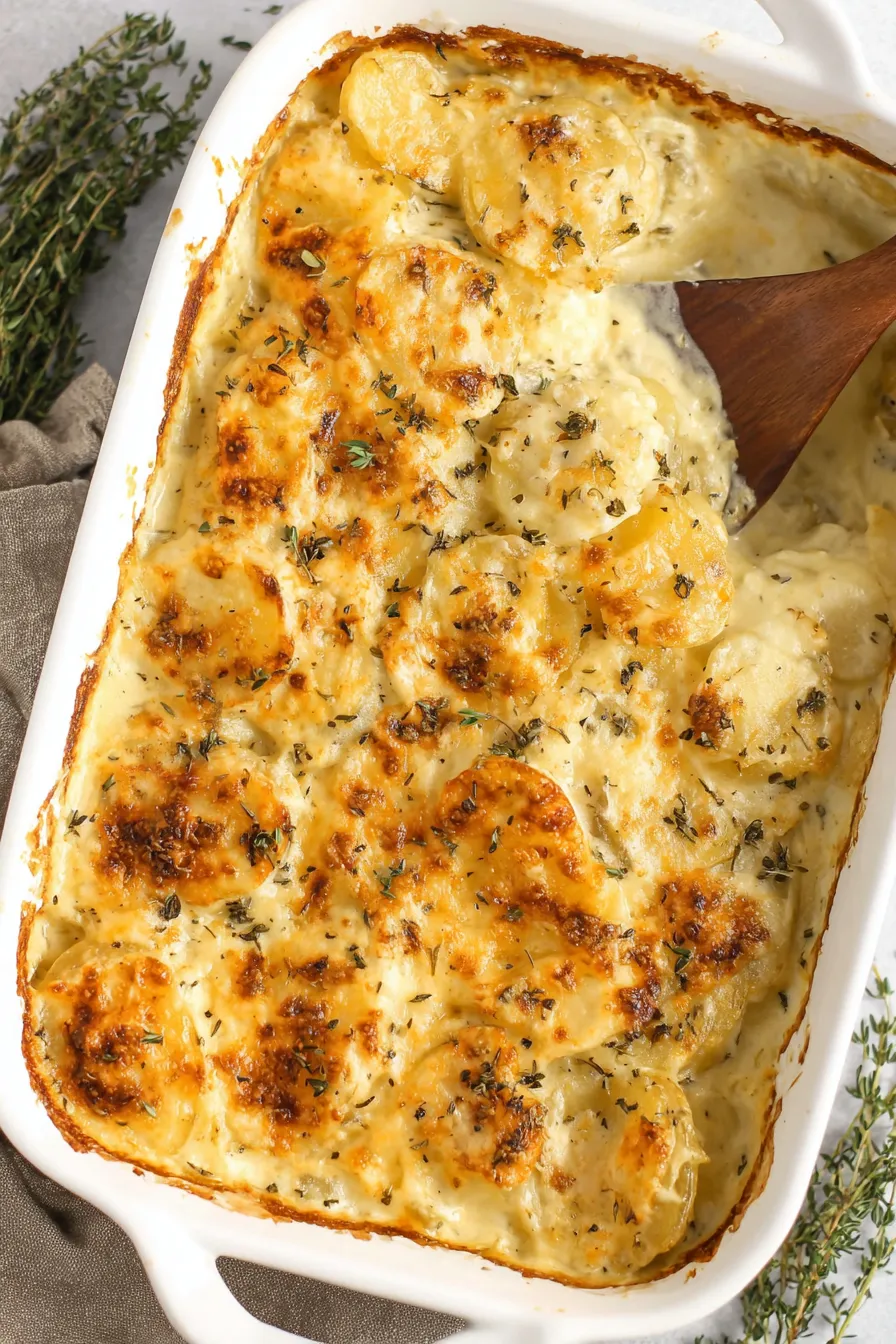
Scalloped potatoes trace back to classic European gratin traditions where thinly sliced potatoes were baked in cream or milk until tender. The term “scalloped” historically referenced a dish with thin slices baked in milk or cream, whereas a gratin often adds a breadcrumb or cheese crust. Over time, the recipe has become a holiday standard in many American and British households. Regional variations include adding onions, ham, or changing cheeses; in French cuisine, the potato gratin de Dauphinoise uses cream and garlic with very thinly sliced potatoes layered precisely—this version sits comfortably in that lineage while remaining approachable for home cooks.
To save time, slice the potatoes a day ahead and store them submerged in cold water in the refrigerator to prevent browning. Make the sauce the day before, cool completely and refrigerate, then rewarm gently before layering. Assemble in a disposable foil pan if you’re bringing it to a gathering. For individual servings, use small ramekins for 20–25 minute bake times. Label containers with date and bake from chilled or frozen as needed. Keep extra grated cheese in the refrigerator to fresh-grate just before baking for optimal melt.
This dish is a celebration of simple techniques producing big comfort—thin slicing, a properly cooked roux, and patient baking. Make it your own with the herbs and cheese combinations you love, and don’t skip the rest time. Enjoy the way it brings people together around the table.
Slice potatoes uniformly (1/8 inch) so they cook evenly; a mandoline is fastest and most consistent.
Rest the baked dish 10–15 minutes before slicing so the sauce sets and portions hold their shape.
Grate your own cheddar from a block for smoother melting and better flavor than pre-shredded cheese.
Use low-sodium chicken broth to manage total salt and season layers as you assemble for balanced flavor.
If sauce becomes too thick, whisk in a splash of warm milk to loosen it; if too thin, simmer gently to reduce.
This nourishing classic scalloped potatoes recipe is sure to be a staple in your kitchen. Enjoy every moist, high protein slice — it is perfect for breakfast or as a wholesome snack any time.
Yes. Assemble ahead, cover, and refrigerate up to 24 hours. Add 10–15 minutes to the covered baking time if baking straight from chilled.
Use a mandoline on a low setting or a sharp knife to achieve 1/8-inch slices. Consistency ensures even cooking.
This Classic Scalloped Potatoes recipe makes perfectly juicy, tender, and flavorful steak every time! Serve with potatoes and a side salad for an unforgettable dinner in under 30 minutes.
Spray a 9×13-inch pan with nonstick spray and preheat the oven to 350°F to ensure even baking.
Wash, dry, peel, and slice potatoes 1/8-inch thick using a mandoline or sharp knife; keep slices in a single layer while preparing sauce.
Melt butter over medium-low heat, sauté onion and garlic until soft, add flour and cook 2 minutes, whisk in chicken broth then milk, bring to a boil while stirring until thickened; season and add dried thyme.
Remove sauce from heat and whisk in grated cheddar until smooth; adjust seasoning to taste.
Layer half the potatoes in the prepared pan, season, pour half the sauce, add remaining potatoes, season, pour remaining sauce, and sprinkle with fresh thyme.
Cover with foil and bake at 350°F for 45 minutes, remove foil and bake 30 more minutes until golden and bubbly; rest 10–15 minutes before serving.
Last Step: Please leave a rating and comment letting us know how you liked this recipe! This helps our business to thrive and continue providing free, high-quality recipes for you.
Leave a comment & rating below or tag
@culinya on social media!
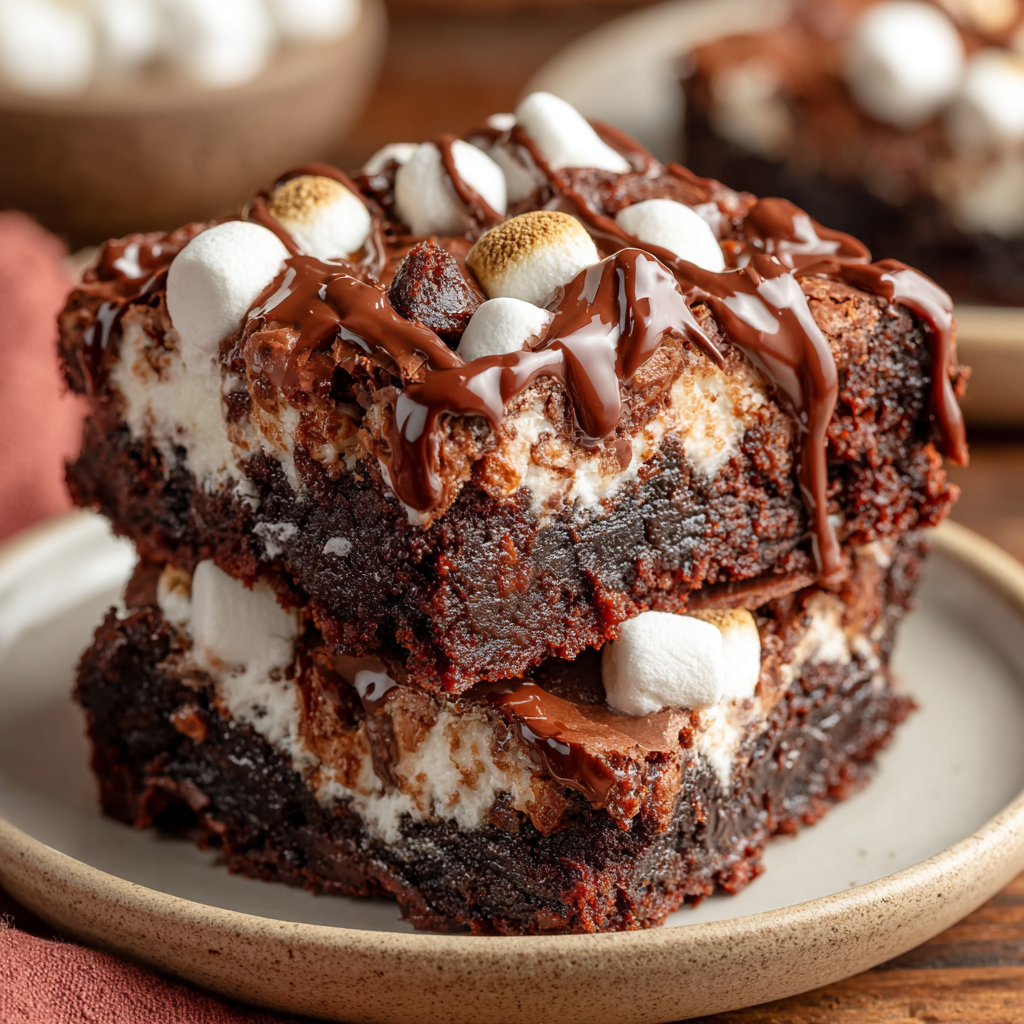
Ultra-fudgy brownies crowned with gooey mini marshmallows and a quick-set chocolate icing. Crowd-pleasing, nostalgic, and irresistibly rich in every bite.
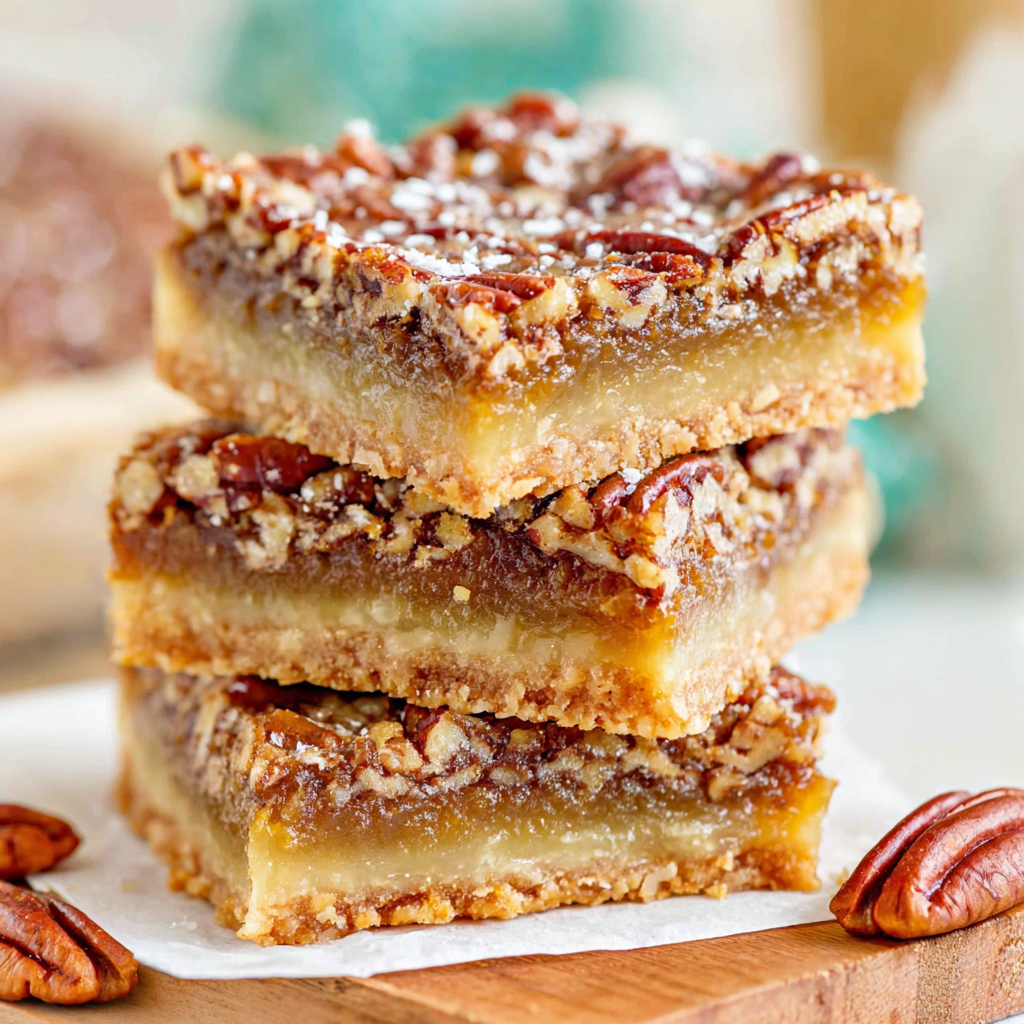
Buttery shortbread crust meets a silky brown sugar pecan topping in these easy pecan pie bars. Just 10 minutes of prep for bakery-level bliss.

A flawlessly smooth pumpkin cheesecake with warm spice, buttery graham crust, and no cracks. Finish with caramel and rum-kissed whipped cream.
Leave a comment & rating below or tag @culinya on social media!
Enjoyed this recipe? Share it with friends and family, and don't forget to leave a review!
This recipe looks amazing! Can't wait to try it.
Comments are stored locally in your browser. Server comments are displayed alongside your local comments.

Join to receive our email series which contains a round-up of some of our quick and easy family favorite recipes.