>>

Light, pillow-like fried pastries dusted with powdered sugar and drizzled with honey. A simple, quick treat rooted in Southwestern tradition.

These sopapillas are a small but mighty indulgence that became a household favorite the first time I made them on a rainy Sunday afternoon. I discovered this simple dough-to-fry method while leafing through a worn family cookbook and adapting it because I wanted a dessert that felt celebratory but required only pantry staples. What makes these sopapillas special is their contrast in texture: a crisp, golden exterior that yields to a hollow, airy interior perfect for catching a dusting of powdered sugar or a slow ribbon of honey. The first batch disappeared before the coffee had cooled, and since then I make them when friends drop by unexpectedly or when a cozy, sweet finish is needed for a home-cooked meal.
I remember the first time my niece tried one. She watched me spoon oil over the dough as it puffed, eyes wide, then took a bite and declared them magic. That memory is why I always spoon hot oil over the dough while frying; it helps create the glorious pillows that define a good sopapilla. These are deceptively simple to prepare and forgiving to new cooks. The ingredient list is short: flour, baking powder, salt, shortening, and warm water. No eggs, no milk, no fuss. This version yields a crisp, lightly chewy pastry that pairs beautifully with honey, powdered sugar, or a cinnamon sugar mix.
After making these dozens of times I learned small tricks that make a big difference. Using warm water helps hydrate the flour quickly, pastry shortening gives a neutral flavor and crispness, and cutting the dough into nine uniform squares ensures even frying. Family and guests always comment on how light and pillow-like the pastries are, which makes them an ongoing request at gatherings.
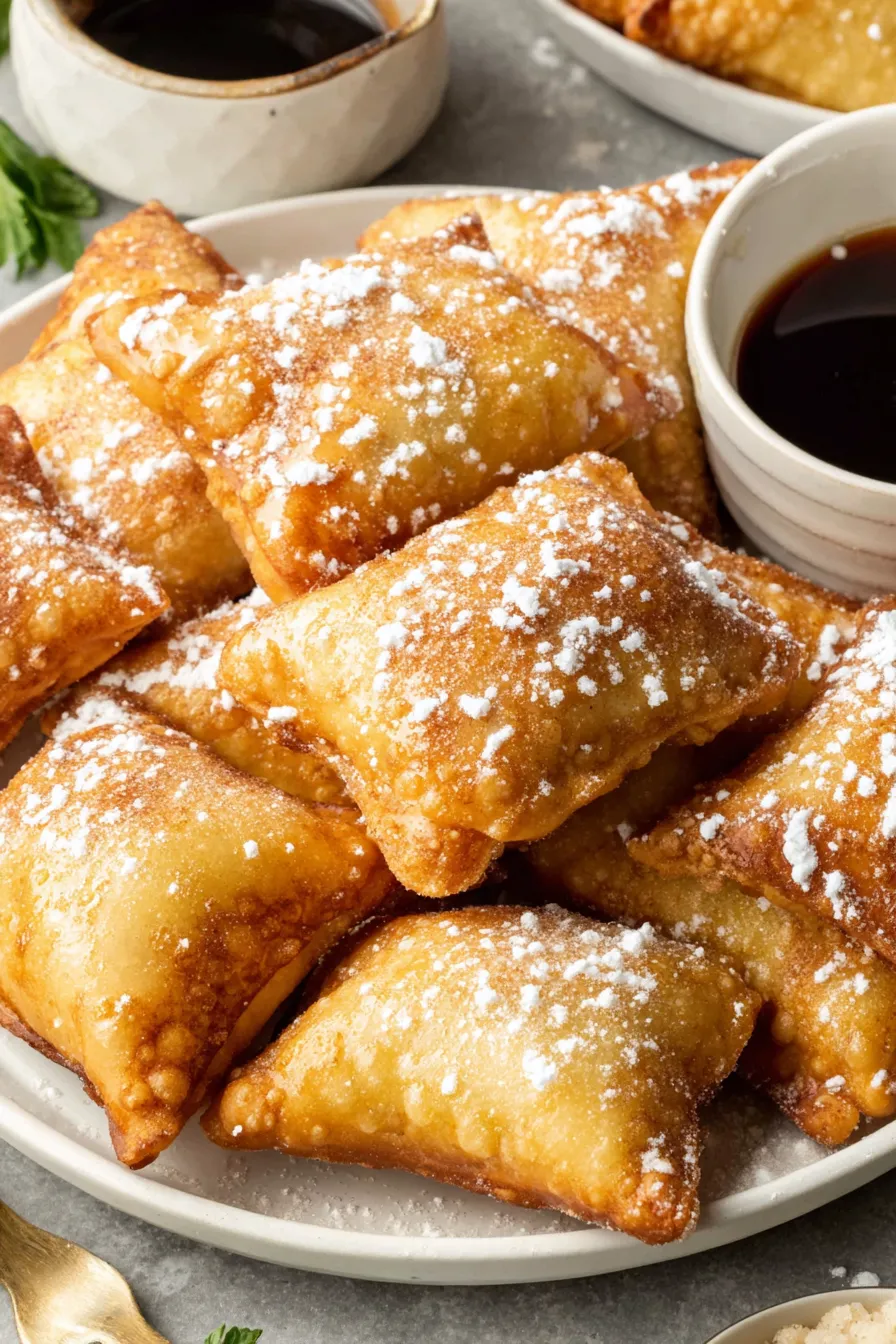
What I love most about these is how many variations they support. A quick sprinkle of sea salt and a drizzle of agave makes a modern twist. Serving them at family breakfasts or as a dessert after a spicy meal always leads to compliments and requests for seconds. They are one of those small pleasures that make a gathering feel festive without a lot of work.
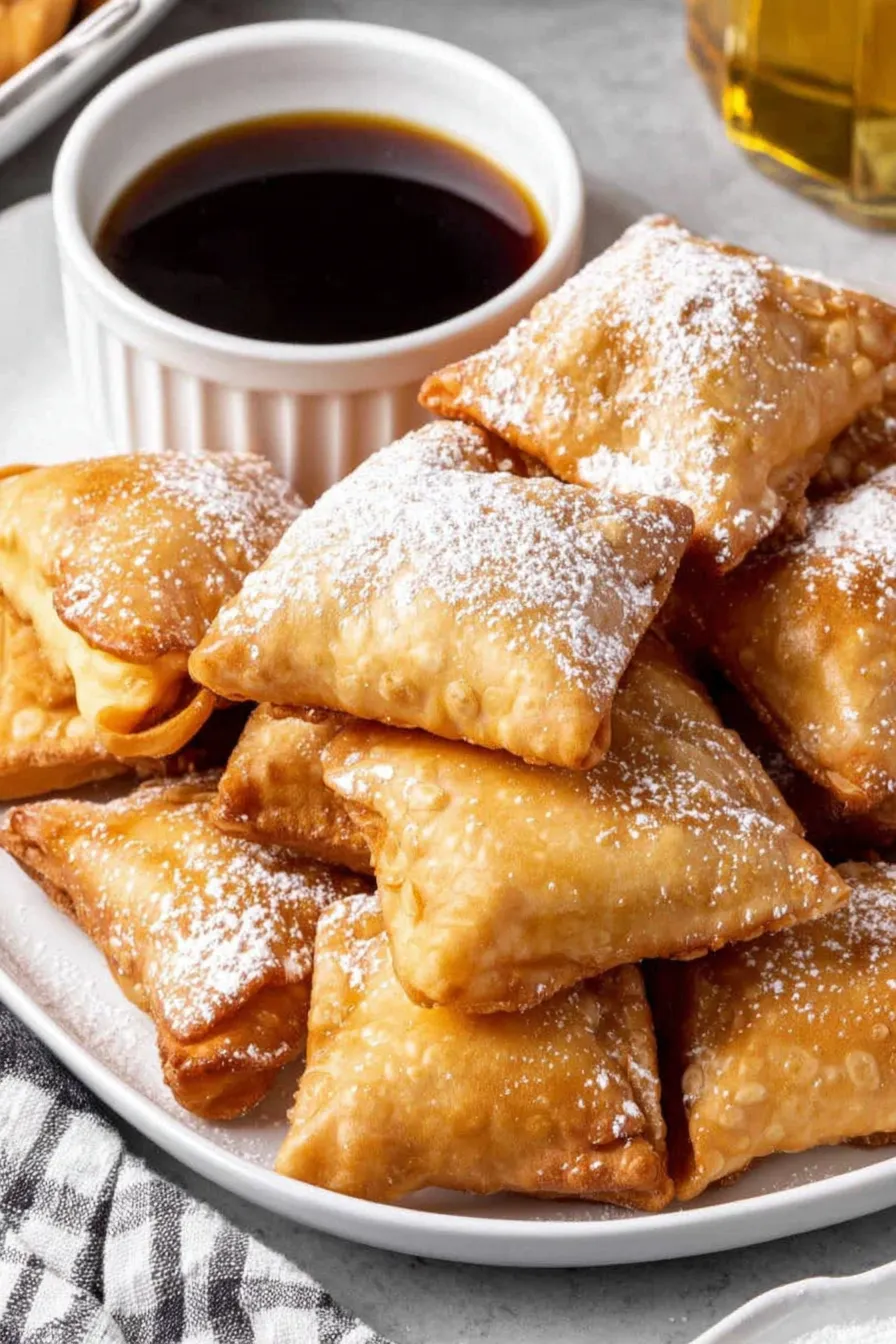
Store leftovers at room temperature for one to two days in an airtight container layered with parchment to prevent sticking. For longer storage freeze the cooled pastries on a baking sheet until solid, then transfer to a freezer-safe bag for up to three months. To re-crisp, heat in a preheated oven at 350 degrees Fahrenheit for five to eight minutes straight from the fridge or eight to ten minutes from frozen. Avoid microwaving unless you prefer a softer texture.
If you prefer a richer flavor, substitute chilled unsalted butter for the vegetable shortening using the same amount; cut it in until the mixture resembles coarse crumbs. For a slightly lighter result use half shortening and half butter. If you need a dairy-free variation maintain vegetable shortening and ensure your sugar topping and honey alternatives are suitable for your diet. For gluten-free adaptations use a measured gluten-free flour blend designed for baking, though the texture will be less airy.
Serve warm topped with powdered sugar and a drizzle of honey. For a breakfast touch add cinnamon sugar and a side of fresh berries and crema. For a savory contrast, sprinkle with flaky sea salt and serve with a bowl of cinnamon-vanilla dipped cream or a fruit compote. These pastries pair well with strong coffee or a spicy hot chocolate during colder months.
Sopapillas have roots in Spanish and Southwestern cuisine and are especially associated with New Mexican traditions. The name derives from Spanish, referring to fried bread. Regional variations exist across the Southwest and into Latin America, with some versions served savory and others sweet. They are often part of celebrations and communal meals because they fry quickly and are easily multiplied to feed a crowd.
In winter try serving warm sopapillas with a cinnamon-mulled apple compote. In summer pair them with a citrus berry salad and a dollop of mascarpone or whipped cream. For holidays consider stuffing them briefly with a spoonful of pumpkin butter or a chocolate-hazelnut spread right after frying, then dusting with powdered sugar for a decadent treat.
Prepare the dough a day ahead and keep it wrapped in plastic in the refrigerator. Bring it to room temperature before rolling to make it easier to handle. If preparing for a crowd, fry in batches and keep finished pieces on a baking sheet in a warm oven set to 200 degrees Fahrenheit to preserve crispness until serving. Portion into stacks of two or three for individual servings and store extra in an airtight container at room temperature for quick snacks.
These sopapillas are a delightful, adaptable pastry that reward a little attention to technique. Whether you make them for a casual breakfast or a festive dessert, they bring a homemade warmth that is difficult to resist. Try different toppings, share with family, and make this version your own.
Use warm water to hydrate the dough quickly and make rolling easier.
Spoon hot oil over each piece as it floats to encourage a full puffed interior.
Maintain steady oil temperature between batches to prevent greasy pastries.
Keep rolled dough covered to avoid drying while you fry other pieces.
This nourishing classic sopapillas recipe is sure to be a staple in your kitchen. Enjoy every moist, high protein slice — it is perfect for breakfast or as a wholesome snack any time.
Yes. Once cooled, store in an airtight container at room temperature for 1 to 2 days. For longer storage freeze them individually then seal in a freezer bag for up to 3 months.
Heat oil to about 350 degrees Fahrenheit. If you do not have a thermometer test with a small piece of dough; it should sizzle and float within a few seconds.
This Classic Sopapillas recipe makes perfectly juicy, tender, and flavorful steak every time! Serve with potatoes and a side salad for an unforgettable dinner in under 30 minutes.
Combine flour, baking powder, and salt in a medium bowl. Cut in shortening until coarse. Gradually stir warm water until the dough comes together and knead until smooth.
Cover tightly and allow the dough to rest for 20 minutes at room temperature to relax gluten and make rolling easier.
Add oil to a saucepan to a depth of 1 to 2 inches and heat to approximately 350 degrees Fahrenheit. Test with a small piece of dough if needed.
Roll dough to about 1/8 inch thick and cut into nine equal squares by slicing three vertical and three horizontal strips.
Lower each square into hot oil with tongs. Spoon hot oil over the top as it floats to help it puff. Cook about 30 seconds per side until golden. Drain on paper towels.
Dust with powdered sugar and drizzle with honey or toss in cinnamon sugar. Serve warm for best texture.
Last Step: Please leave a rating and comment letting us know how you liked this recipe! This helps our business to thrive and continue providing free, high-quality recipes for you.
Leave a comment & rating below or tag
@culinya on social media!
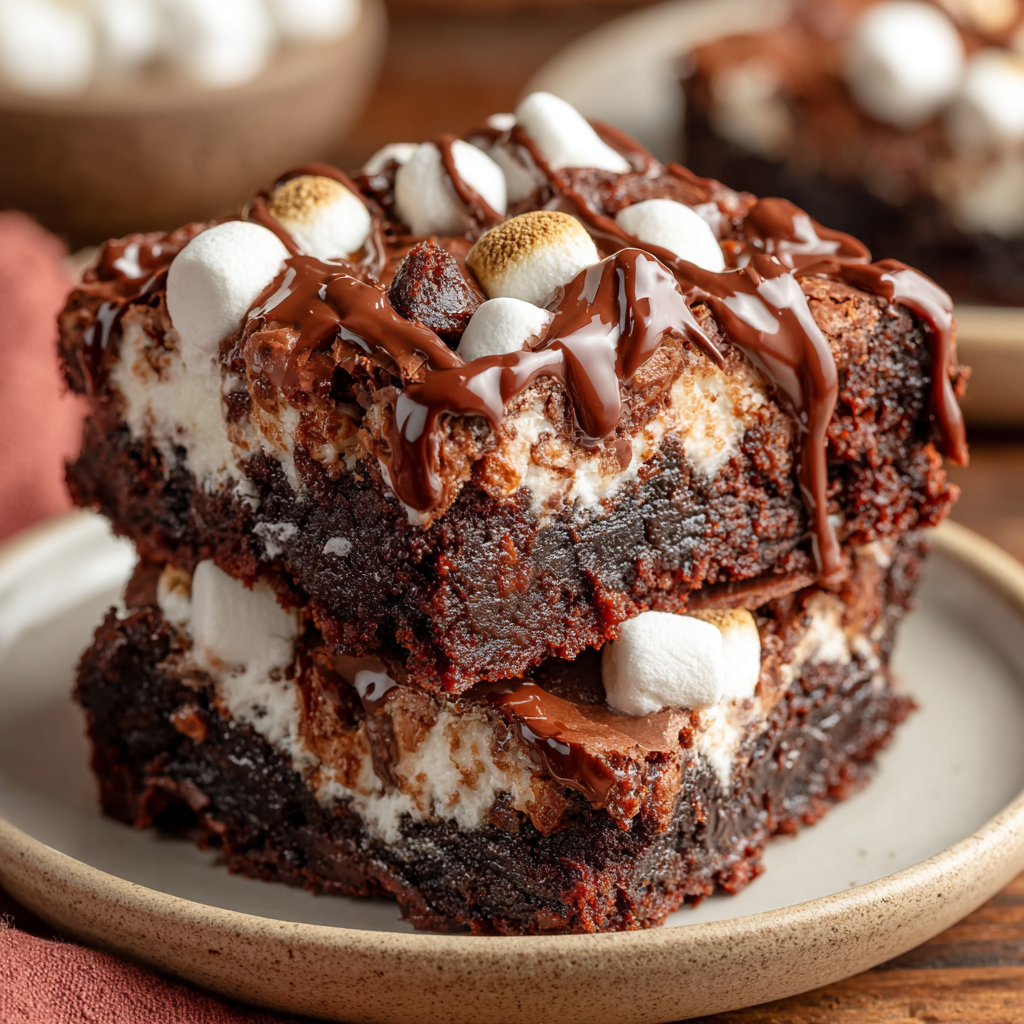
Ultra-fudgy brownies crowned with gooey mini marshmallows and a quick-set chocolate icing. Crowd-pleasing, nostalgic, and irresistibly rich in every bite.
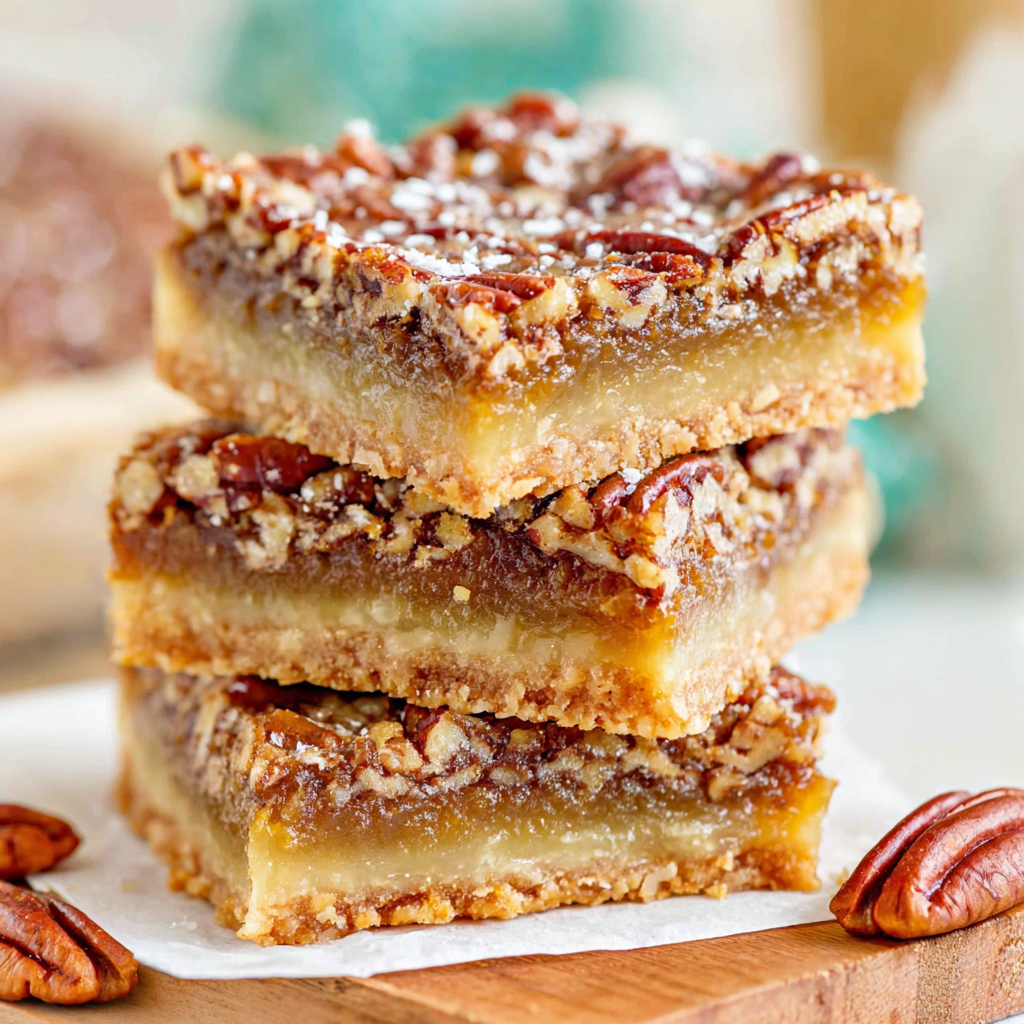
Buttery shortbread crust meets a silky brown sugar pecan topping in these easy pecan pie bars. Just 10 minutes of prep for bakery-level bliss.
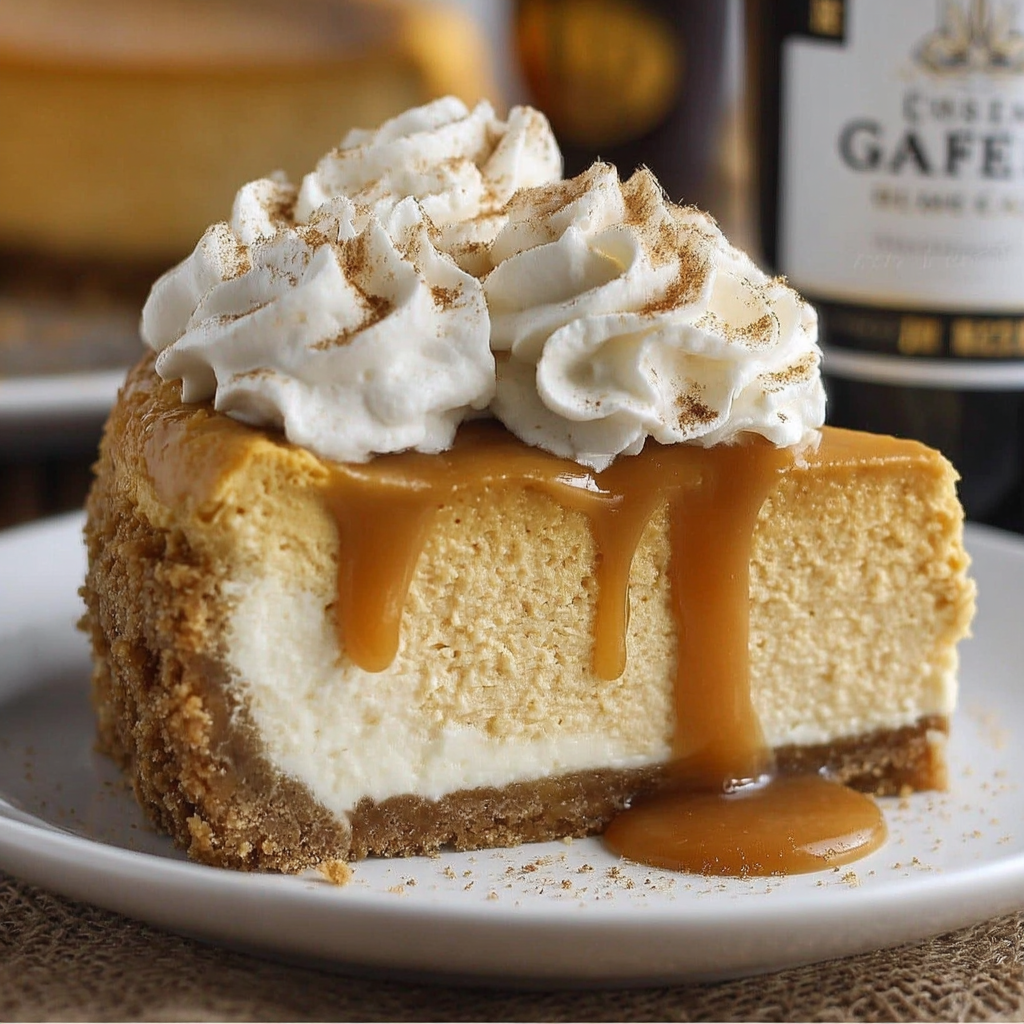
A flawlessly smooth pumpkin cheesecake with warm spice, buttery graham crust, and no cracks. Finish with caramel and rum-kissed whipped cream.
Leave a comment & rating below or tag @culinya on social media!
Enjoyed this recipe? Share it with friends and family, and don't forget to leave a review!
This recipe looks amazing! Can't wait to try it.
Comments are stored locally in your browser. Server comments are displayed alongside your local comments.
Join to receive our email series which contains a round-up of some of our quick and easy family favorite recipes.