>>

A gently sweet, rustic loaf studded with cranberries, raisins, and walnuts, scented with cinnamon — perfect for breakfast, holiday mornings, or a cozy afternoon slice.
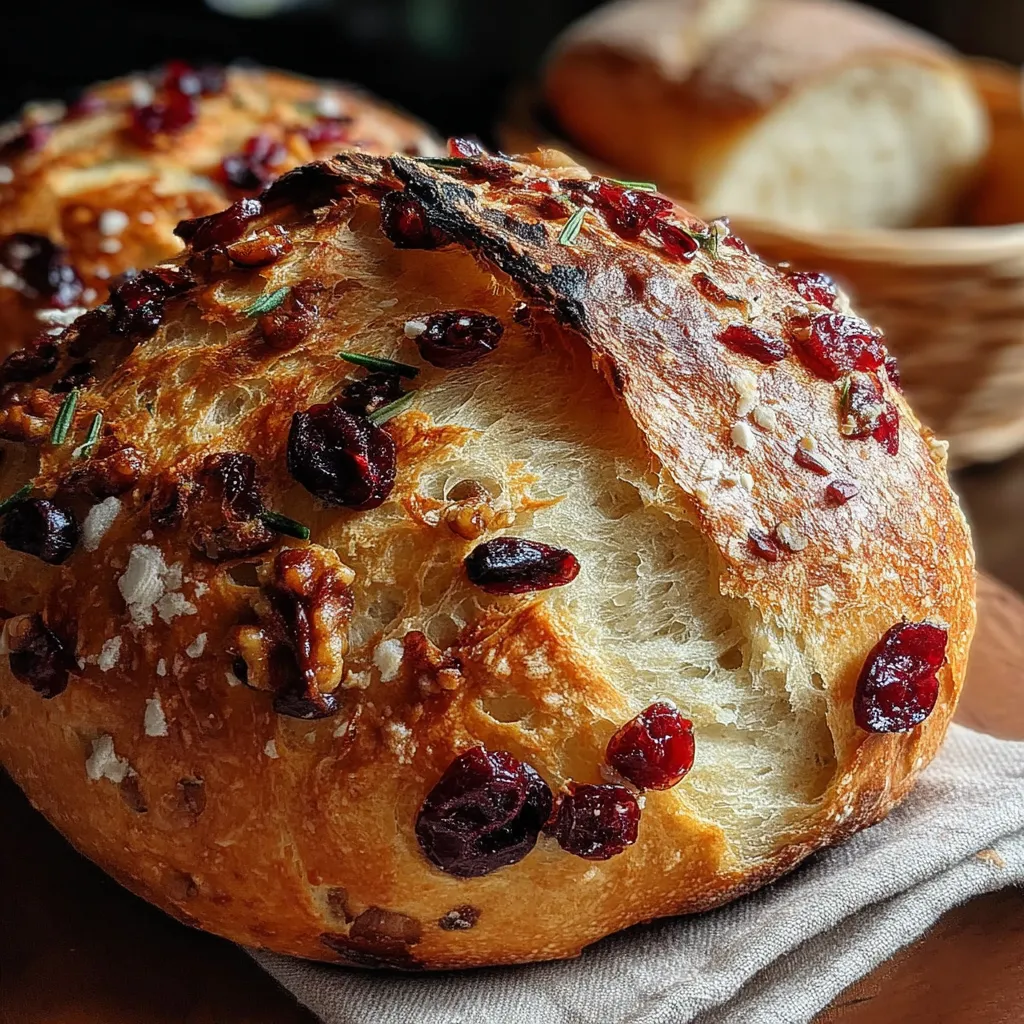
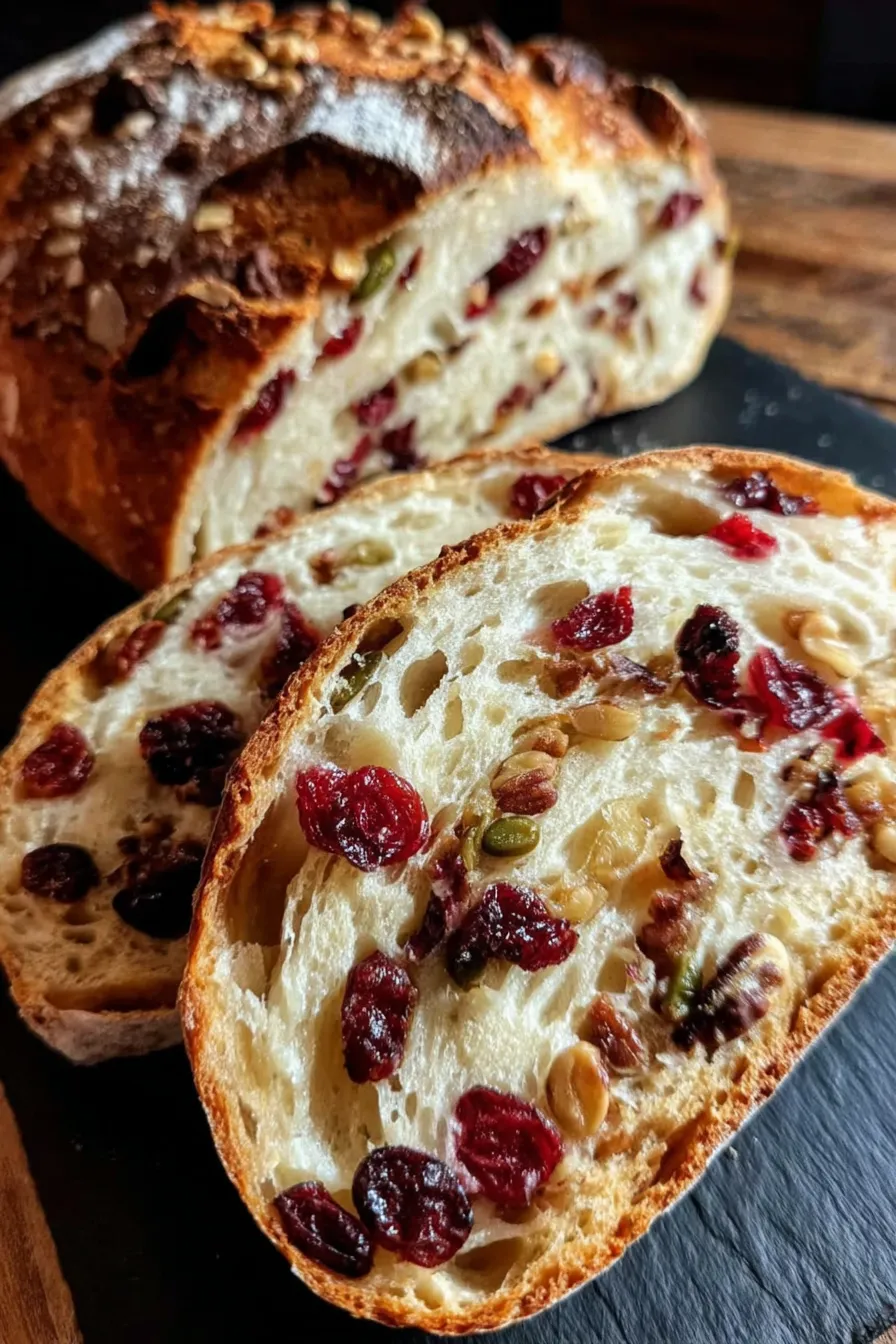
This loaf has been a seasonal favorite in my kitchen for years. I first developed the idea while trying to use a jar of dried fruit and a bag of walnuts before a holiday gathering; the aroma of cinnamon and toasty nuts filled the house and everyone wanted a slice warm from the oven. The crumb is open but structured, with pockets of chewy raisins and bright bursts from the cranberries. The crust develops a thin, crisp sheath from the hot Dutch oven, while the interior remains tender and slightly sweet. This bread is a celebration of texture and balance: the sweet-fruity notes offset by the toasty walnut crunch and the warm spice of cinnamon.
I love making this loaf when I have an afternoon free, because the method is forgiving and the long, slow fermentation builds flavor without a lot of hands-on work. It keeps well and makes a beautiful gift; wrapped simply in parchment it travels well to potlucks or holiday brunches. If you enjoy an artisan-style loaf that showcases pantry ingredients with minimal fuss, this version will quickly become one of your go-to bakes.
In my home, this bread has become shorthand for special mornings. Guests comment on the aroma before they taste it, children ask for that one slice with the most nuts, and I love that the recipe is forgiving — it rewards time in the fridge and a hot oven rather than precise handling. When I first served it to my neighbors, one sliced a piece and declared it the best toast they had in months; that kind of reaction makes the extra planning worth it.
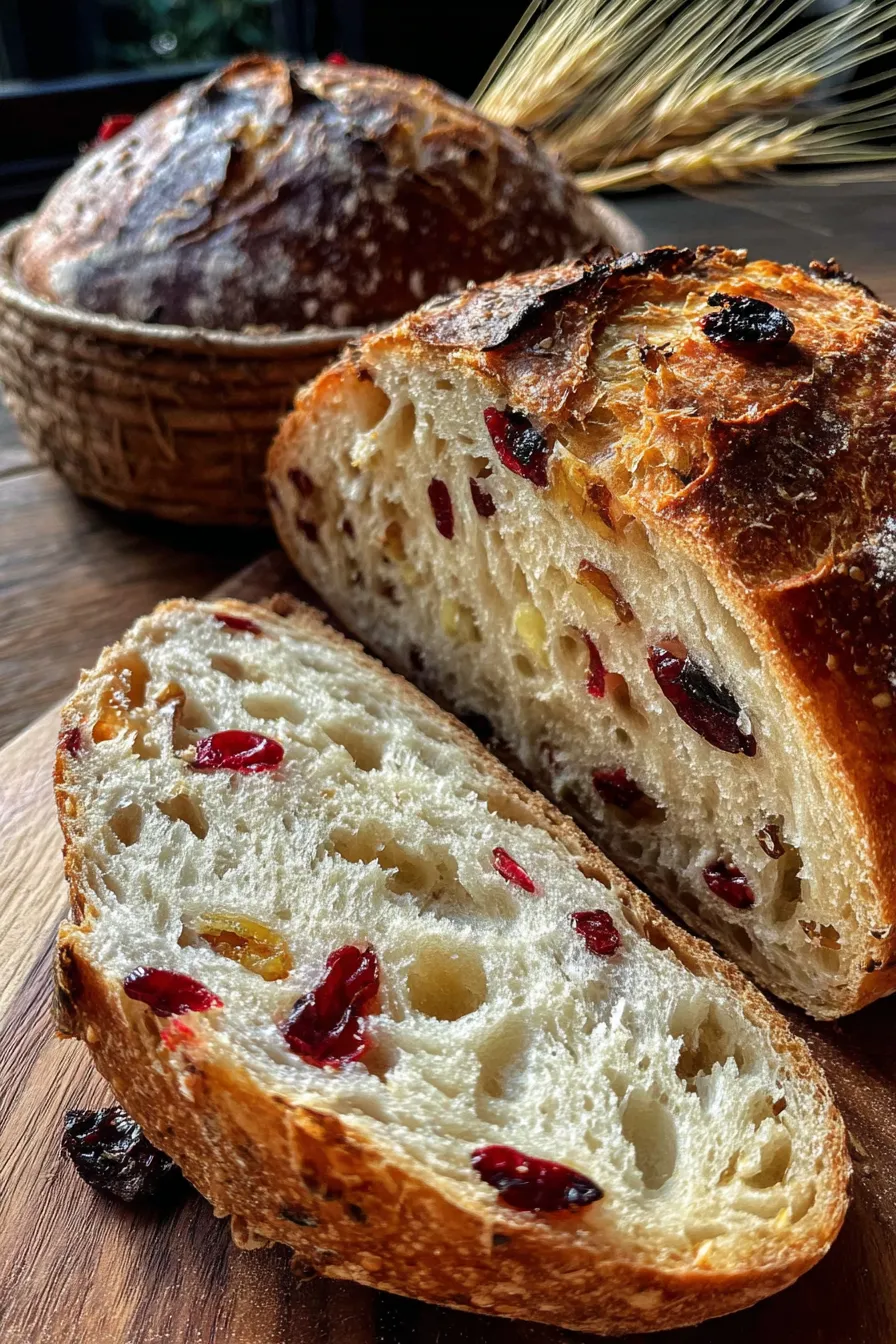
My favorite part of this bread is the rhythm of making it: a short burst of attention to mix and fold, then the quiet work of time. Over the years I have learned to trust the visual cues more than the clock; a dough that is bubbly and slightly domed will bake into a loaf with great oven spring. Sharing this loaf at breakfast feels like a small ritual that always gets compliments and requests for the recipe.
Let the loaf cool completely before storing to avoid soggy crumb from trapped steam. For short-term storage keep the bread in a paper bag or wrapped in a clean kitchen towel at room temperature for up to two days; this preserves a crisper crust. For longer storage slice and freeze pieces in airtight freezer bags for up to three months. To refresh a frozen slice, bake at 350°F for 8 to 10 minutes or toast directly. Avoid airtight plastic at room temperature as it softens the crust; if you prefer a softer crust for sandwiches, store in plastic for one day only.
If you do not have walnuts, replace with pecans or pumpkin seeds; toasted seeds add a similar crunch and make the loaf nut-free for those with tree-nut allergies. Swap dried cranberries for chopped dried cherries or chopped apricots for a different bright note, adjusting sweetness by taste. Use 100 percent all-purpose flour if you prefer a slightly softer loaf, or up to 25 percent whole wheat for more nutty flavor; increase hydration by 1 to 2 tablespoons if using whole wheat. For a vegan version, replace honey with maple syrup or agave and ensure the yeast is suitable for vegan diets.
This loaf is lovely sliced thick and toasted with butter and a drizzle of honey for breakfast, or served with soft cheese and fig jam for a relaxed appetizer. For a savory pairing, top slices with ricotta, lemon zest, and arugula for brunch. Serve warm with butter and a smear of cream cheese for holiday mornings, or include in a picnic basket with cheese, slices of apple, and a thermos of coffee. Thin slices are excellent for French toast, where the raisins and cranberries add natural sweetness.
Sweetened dried fruit and nut loaves have roots in many culinary traditions, from European fruit breads served at festive tables to New England quick breads that incorporate local nuts and dried fruit. This recipe borrows the slow-fermentation artisan technique popularized by modern bakeries, combining it with classic holiday flavors like cinnamon, cranberries, and walnuts. The result is a hybrid that nods to both country-style fruit breads and contemporary crust-forward loaves, reflecting how home baking often blends old and new influences.
In autumn and winter, amplify warm spice by adding ½ teaspoon ground nutmeg or orange zest for brightness. In spring or summer switch to dried apricots and chopped almonds, and reduce the cinnamon for a lighter profile. For holiday gatherings mix in candied orange peel and a splash of brandy or rum to macerate the dried fruit for a boozy festive version. Adjust baking times only slightly if adding very moist fruit; a few extra minutes under the lid can protect against sogginess.
Make the dough in the evening, refrigerate overnight, and bake the following morning for fresh bread at breakfast. Alternatively, bake twice the recipe and freeze one loaf, tightly wrapped, to have a ready supply; thaw at room temperature and refresh in a 350°F oven for 10 to 12 minutes. If packing for lunches, toast slices lightly and spread with a thin layer of soft cheese to maintain texture during transit. Label frozen portions with the date so you use older loaves first.
Whether you serve it for a holiday brunch or slice it for weekday breakfasts, this loaf rewards patience and small touches. It tells a story through aroma, texture, and the little surprises of fruit and nuts in every bite — give it time and it will become one of those recipes you return to for comfort and celebration.
Always check yeast activity by looking for a light foam after 5 to 10 minutes when proofing; no foam means inactive yeast.
Toast walnuts briefly to intensify flavor and prevent them from becoming soggy in the dough.
Cool the loaf completely before slicing to finish the crumb set and avoid a gummy texture in the center.
This nourishing cranberry raisin walnut cinnamon artisan bread recipe is sure to be a staple in your kitchen. Enjoy every moist, high protein slice — it is perfect for breakfast or as a wholesome snack any time.
This Cranberry Raisin Walnut Cinnamon Artisan Bread recipe makes perfectly juicy, tender, and flavorful steak every time! Serve with potatoes and a side salad for an unforgettable dinner in under 30 minutes.
Stir water and honey together, sprinkle yeast on top, and rest 5 to 10 minutes until foamy to confirm yeast activity.
Combine flour, salt, and cinnamon in a large bowl and mix thoroughly so the salt and spice distribute evenly.
Pour the foamy yeast mixture into the dry ingredients and mix until a shaggy dough forms; add a tablespoon of water only if needed.
Fold in cranberries, raisins, and walnuts gently, cover, and let rise at room temperature for 8 to 10 hours until bubbly.
Shape into a round, place seam-side down in a floured banneton or bowl, cover, and refrigerate overnight to firm the dough.
Preheat a Dutch oven to 450°F (232°C), transfer the dough, score the top, and bake covered for 30 minutes to create steam for the crust.
Uncover and bake an additional 15 to 20 minutes until deep golden and internal temperature reaches about 205°F to 210°F, then cool before slicing.
Last Step: Please leave a rating and comment letting us know how you liked this recipe! This helps our business to thrive and continue providing free, high-quality recipes for you.
Leave a comment & rating below or tag
@culinya on social media!
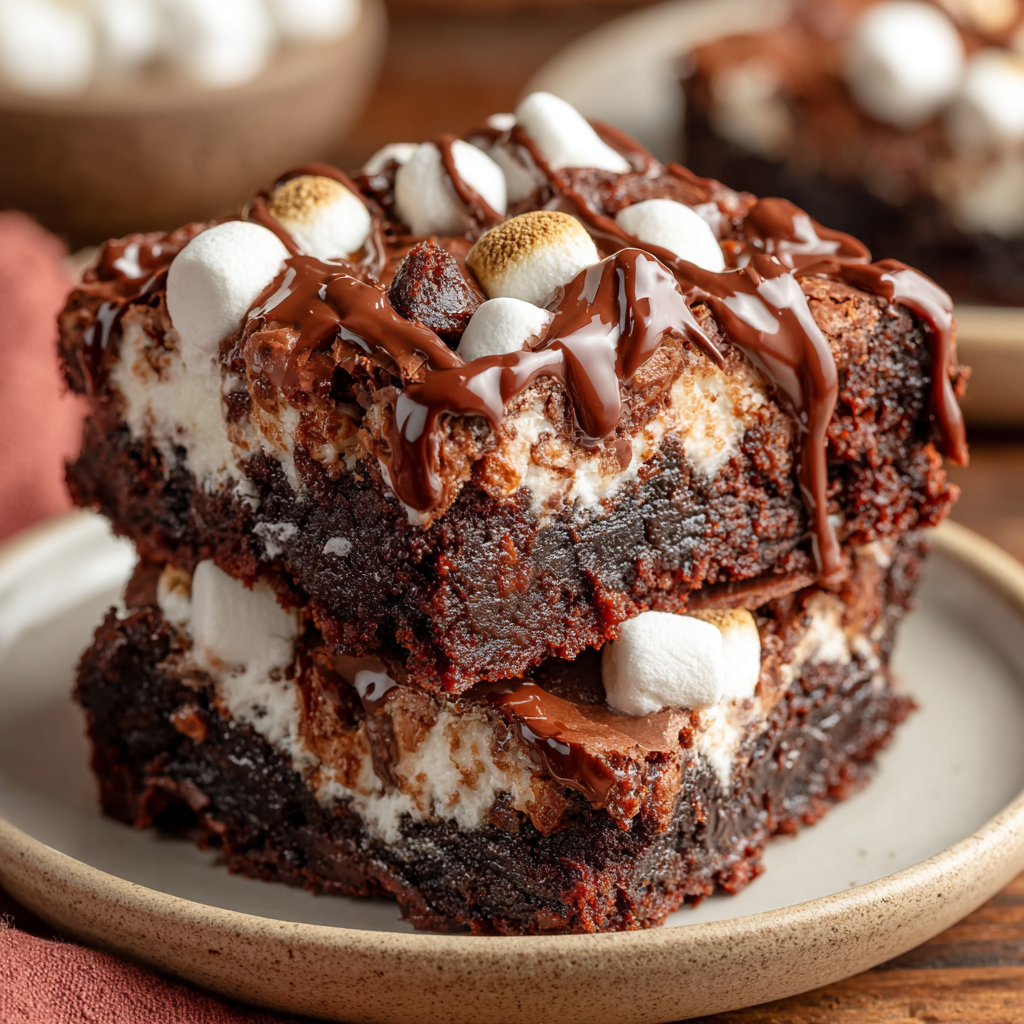
Ultra-fudgy brownies crowned with gooey mini marshmallows and a quick-set chocolate icing. Crowd-pleasing, nostalgic, and irresistibly rich in every bite.
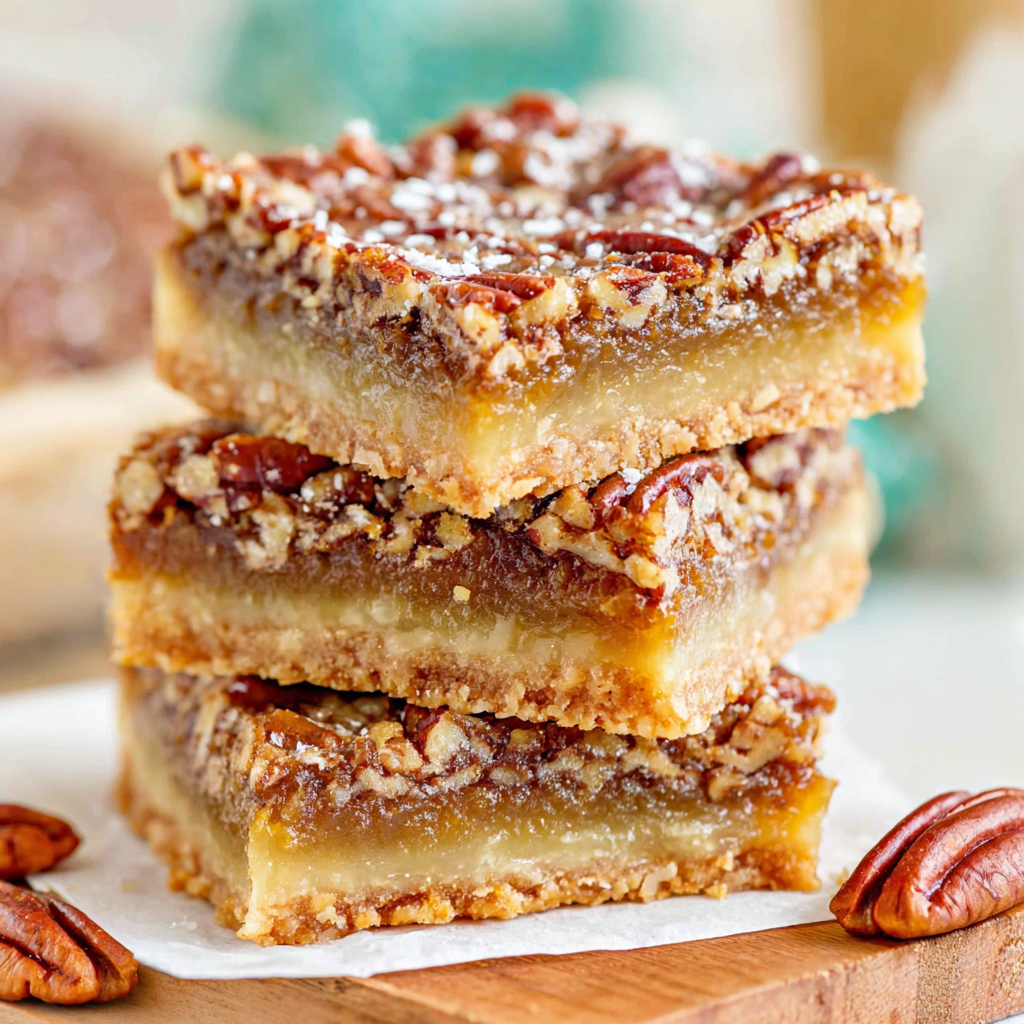
Buttery shortbread crust meets a silky brown sugar pecan topping in these easy pecan pie bars. Just 10 minutes of prep for bakery-level bliss.
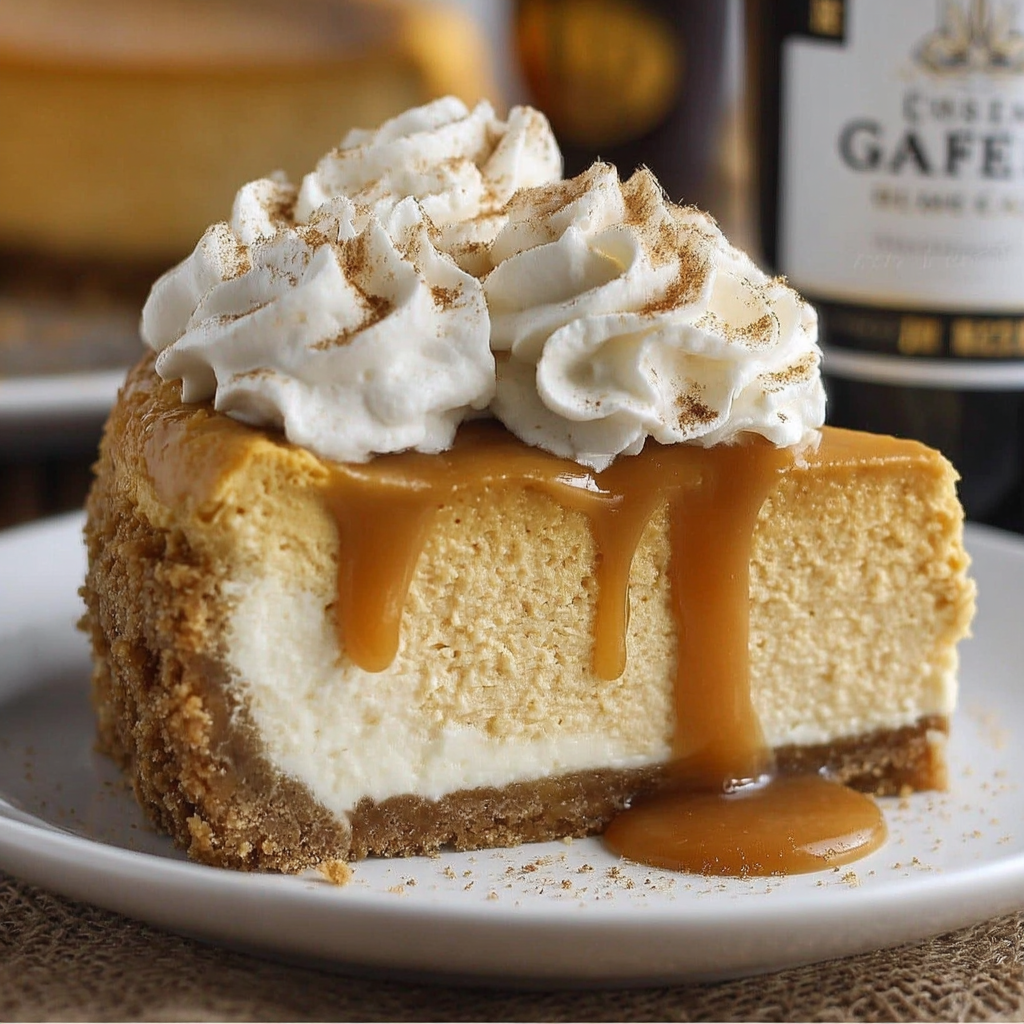
A flawlessly smooth pumpkin cheesecake with warm spice, buttery graham crust, and no cracks. Finish with caramel and rum-kissed whipped cream.
Leave a comment & rating below or tag @culinya on social media!
Enjoyed this recipe? Share it with friends and family, and don't forget to leave a review!
This recipe looks amazing! Can't wait to try it.
Comments are stored locally in your browser. Server comments are displayed alongside your local comments.

Join to receive our email series which contains a round-up of some of our quick and easy family favorite recipes.