>>

Silky cream sauce brightened with fresh dill and lemon, tossed with al dente spaghetti and flaked seared salmon for an elegant weeknight dinner.
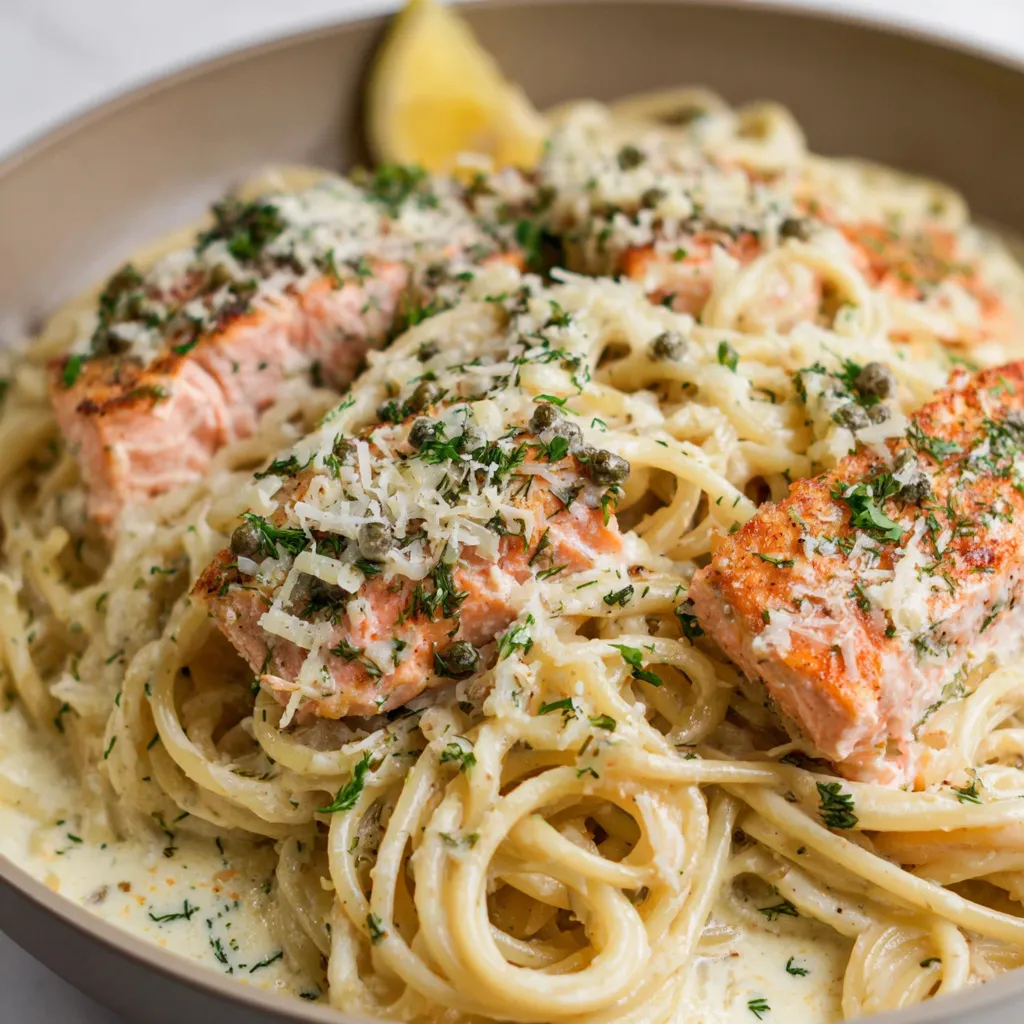
This creamy salmon pasta has been my quick dinner secret ever since I finished culinary school and discovered how little time it takes to turn pantry staples into something genuinely special. I first made it on a rain-soaked evening when the simplest of ingredients — a couple of boneless salmon fillets, some long-cut pasta, and a modest jar of cream — combined into a dish that smelled like home. The sauce is rich but brightened by fresh dill and a whisper of lemon, so every bite feels indulgent without being heavy.
What makes this preparation stand out is the contrast of textures: the silky sauce clings to properly cooked spaghetti while the salmon remains tender and flaky, with a buttery pan-seared exterior that adds a toasty note. I often serve this when friends pop by unexpectedly — it looks restaurant-worthy but is genuinely easy to execute. The recipe below follows straightforward technique: sear the fillets, reduce wine, fold in cream and herbs, and finish with reserved pasta water to bind everything together. It’s a small formula that yields big flavor.
I’ve served this to family and friends many times — my sister declared it “comfort with class” the first time she tried it — and it has saved many rushed evenings. Keep the dill fresh and the wine reduced properly and you’ll have a reliably satisfying meal that becomes a staple in your rotation.
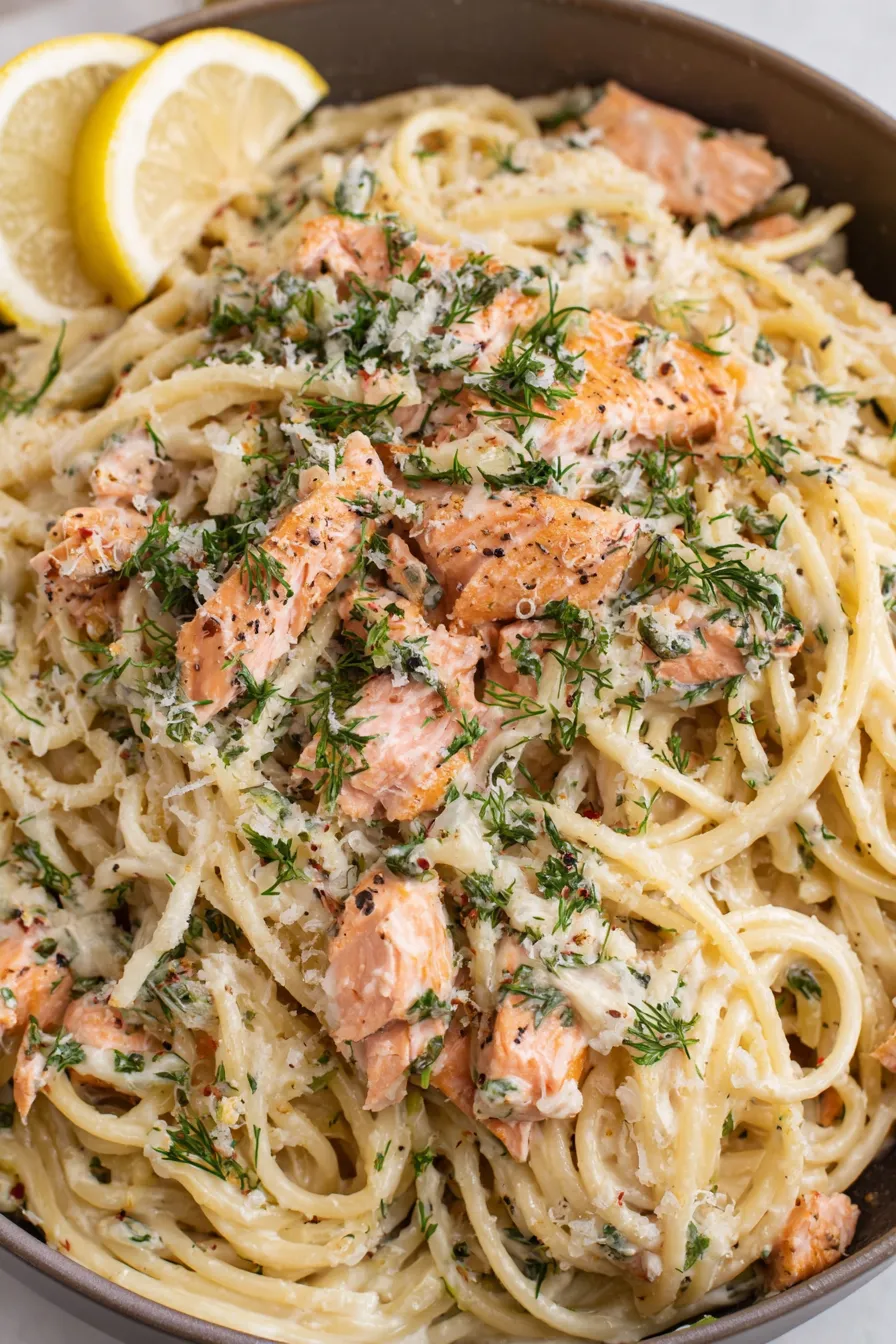
One of my favorite things about this dish is how forgiving it is. Even if the sauce looks a little separated, a few tablespoons of pasta water and a steady toss bring it back. Family favorites often start simple: I learned to trust small amounts of lemon and fresh herbs to brighten a heavy sauce, and now I always finish with a few snips of parsley to add lift and color.
Store leftovers in an airtight container in the refrigerator for up to 3 days. When reheating, do so gently over low heat on the stovetop, adding a splash of milk or reserved pasta water to loosen the sauce and prevent curdling. Avoid microwave reheating on high, which can dry out the salmon. If you want to freeze portions, separate the components: freeze the cooked salmon in a single layer wrapped in plastic for up to 3 months; freeze the pasta and sauce together only if you accept a slight change in texture and will reheat very gently.
If you can’t get heavy cream, substitute full-fat coconut milk for a dairy-free option and finish with a tablespoon of butter-flavored olive oil for richness (note: flavor will change). Swap spaghetti for linguine or fettuccine for more sauce cling. If you prefer a lighter version, use half-and-half combined with a teaspoon of cornstarch slurry (1 tsp cornstarch dissolved in 1 tbsp cold water) to help thicken; cook gently until glossy. For a white-wine substitute, use low-sodium chicken stock plus a teaspoon of lemon juice.
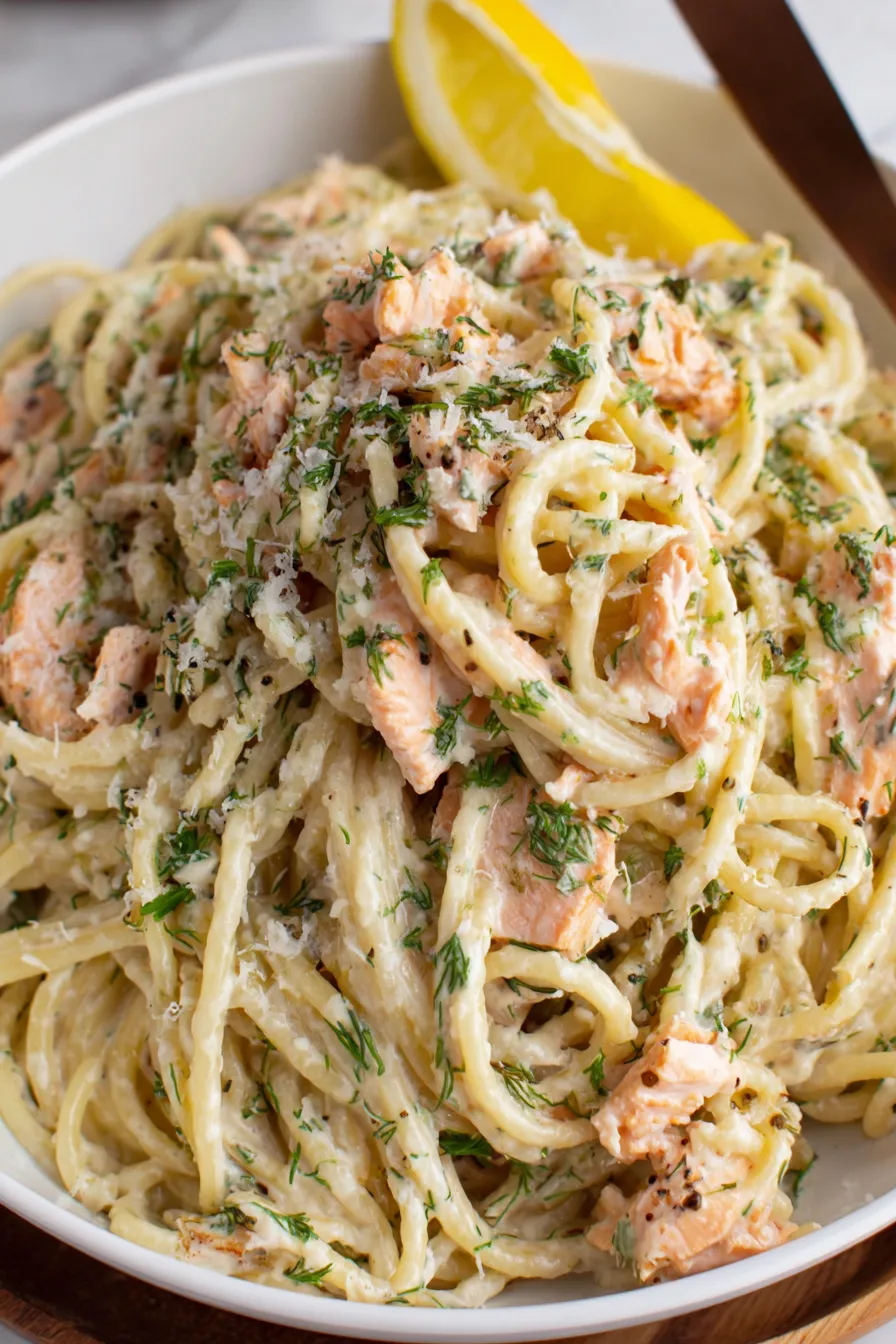
Serve with a crisp green salad dressed with lemon vinaigrette to cut through the richness. Toasted crusty bread or garlic-rubbed sourdough is excellent for mopping up leftover sauce. For wine pairings, stick with the dry white used in the pan—Sauvignon Blanc or an unoaked Chardonnay complements the dish. Garnish with extra dill and a light grating of Parmesan for presentation. For a dinner party, portion on warm plates and finish with a scatter of microgreens.
This preparation is a modern coastal European-style comfort: rich cream sauces with fresh herbs appear across Northern and Eastern European seafood cookery. Pairing salmon with dill is classic in Scandinavian cuisine, where dill is frequently used with preserved and fresh fish. The technique of using starchy pasta water to form a silky emulsion is borrowed from Italian cooking, which blends beautifully with Northern flavors to create a simple but elegant one-pan pasta dish.
In summer, use abundant fresh dill and finish with lemon zest and a few capers for brightness. In colder months, swap in roasted root vegetables for extra heartiness or use smoked salmon pieces flaked into the pasta for a warm, smoky note. Around holidays, add a small handful of toasted pine nuts or panko crumbs for texture and visual contrast.
To meal-prep, cook the pasta one day ahead and toss with a tablespoon of olive oil to prevent sticking. Sear salmon on the day you plan to serve, or poach gently and store separately. Make the sauce up to one day ahead and refrigerate; rewarm slowly and add reserved pasta water to refresh the texture. Pack components separately for the best results and assemble just before serving.
This dish has fed busy nights, cozy dinners, and small celebrations in my home — it’s reliably comforting and surprisingly sophisticated. Try it once, then make the small tweaks that fit your palate and kitchen habits; it rewards personalization.
Bring salmon to room temperature before searing for even cooking and a better crust.
Reduce the wine fully to avoid a sharp or alcoholic finish; stop when only a glossy film remains.
Use starchy pasta water to emulsify the sauce; add gradually until the sauce clings to the pasta.
Sear fish first and keep warm; fold it in at the end to maintain flake integrity.
Finish with a very small squeeze of lemon — it brightens without making the sauce acidic.
This nourishing creamy salmon pasta in a dill sauce recipe is sure to be a staple in your kitchen. Enjoy every moist, high protein slice — it is perfect for breakfast or as a wholesome snack any time.
Reserve a cup of pasta water before draining. Start by adding a tablespoon at a time until the sauce reaches a silky consistency.
Use low heat and add a splash of milk or pasta water; avoid rapid boiling which can break the cream.
This Creamy Salmon Pasta in a Dill Sauce recipe makes perfectly juicy, tender, and flavorful steak every time! Serve with potatoes and a side salad for an unforgettable dinner in under 30 minutes.
Pat salmon dry, season both sides with salt and pepper. Heat a non-stick pan with a small drizzle of olive oil over medium-high. Sear the fish until golden underneath, flip, place a sprig of dill on each fillet, add the heaped tablespoon of butter and baste until just cooked through. Remove and keep warm.
Bring a large pot of heavily salted water to a boil. Cook the spaghetti until al dente according to package directions, usually 8-10 minutes. Reserve 1 cup of starchy pasta water before draining.
Lower heat to medium, add finely diced shallots to the pan with leftover brown butter and sauté until deep golden, 3-4 minutes. Add garlic and cook for 30-60 seconds until fragrant but not browned.
Pour in 1/3 cup (80 ml) dry white wine and simmer for 4-5 minutes, scraping the pan to loosen fond. Reduce until nearly evaporated to concentrate flavor and remove alcohol.
Stir in 3/4 cup (180 ml) heavy cream, 1 tsp finely diced dill and 1 heaped tbsp finely diced parsley. Keep at a gentle simmer and season with salt, pepper and a small squeeze of lemon to taste.
Toss drained spaghetti in the sauce, adding reserved pasta water a splash at a time to loosen as needed. Break salmon into large flakes and fold through gently. Finish with grated Parmesan and chopped parsley before serving.
Last Step: Please leave a rating and comment letting us know how you liked this recipe! This helps our business to thrive and continue providing free, high-quality recipes for you.
Leave a comment & rating below or tag
@culinya on social media!
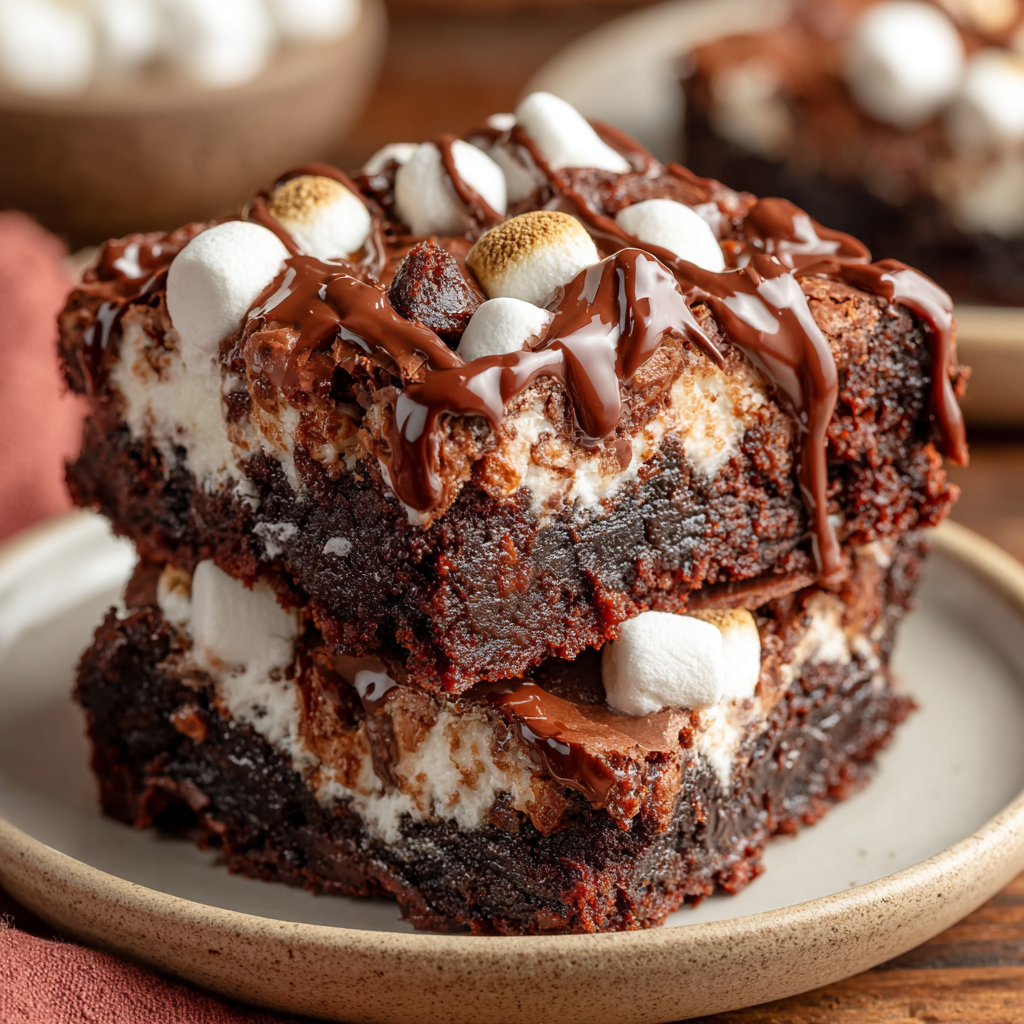
Ultra-fudgy brownies crowned with gooey mini marshmallows and a quick-set chocolate icing. Crowd-pleasing, nostalgic, and irresistibly rich in every bite.
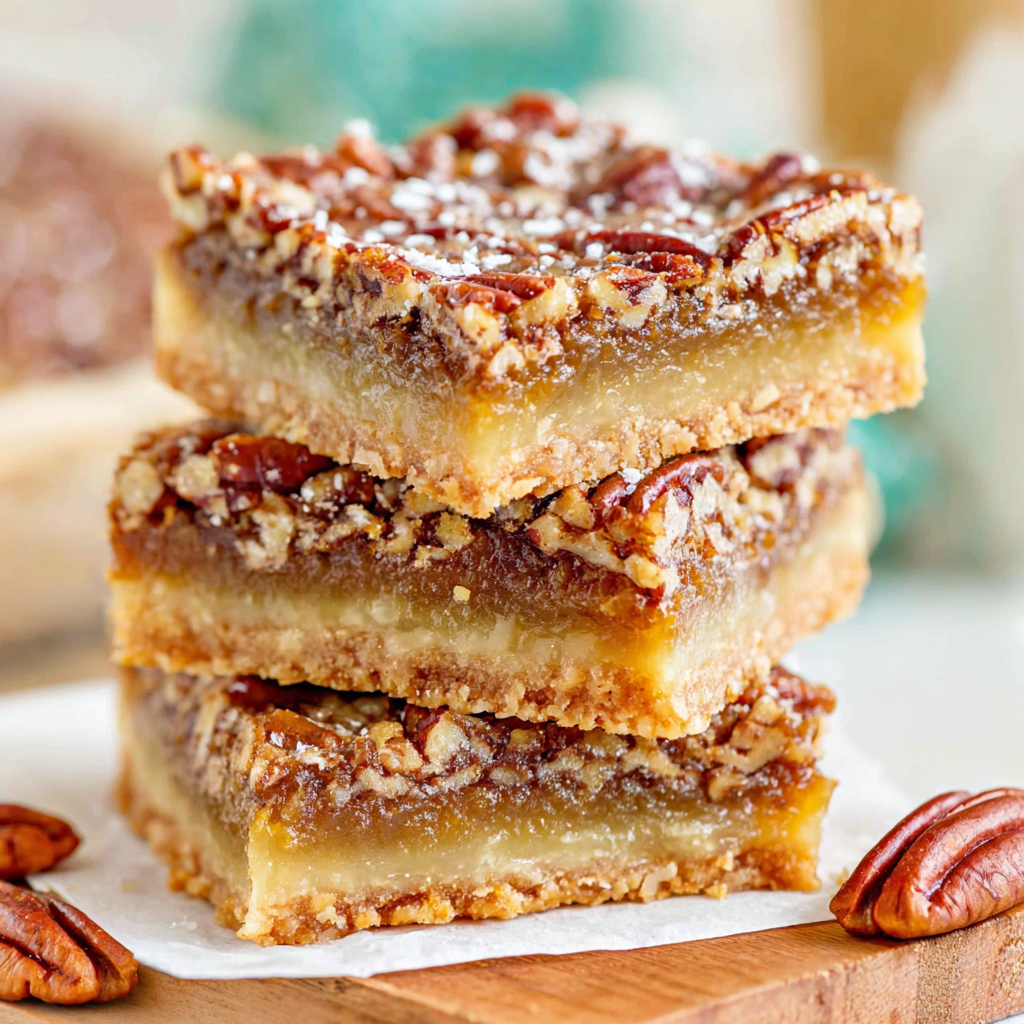
Buttery shortbread crust meets a silky brown sugar pecan topping in these easy pecan pie bars. Just 10 minutes of prep for bakery-level bliss.
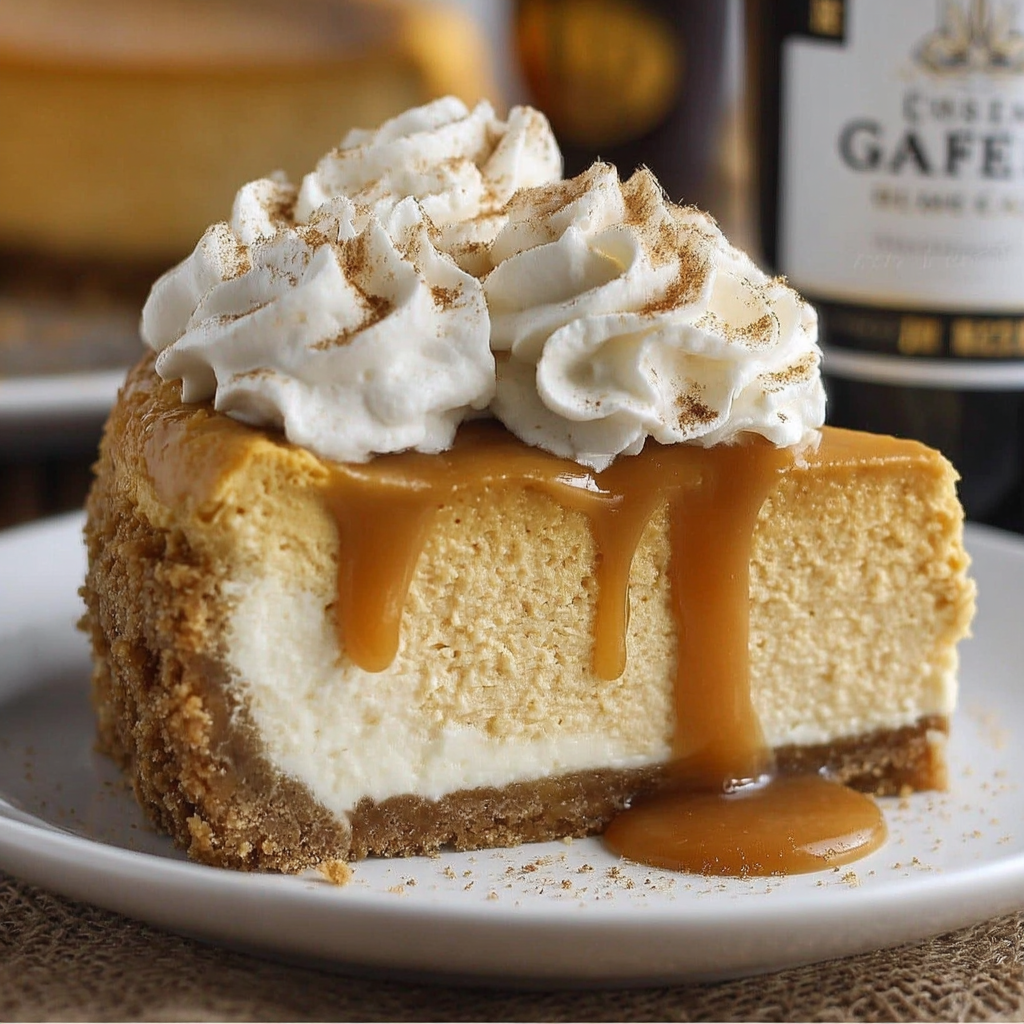
A flawlessly smooth pumpkin cheesecake with warm spice, buttery graham crust, and no cracks. Finish with caramel and rum-kissed whipped cream.
Leave a comment & rating below or tag @culinya on social media!
Enjoyed this recipe? Share it with friends and family, and don't forget to leave a review!
This recipe looks amazing! Can't wait to try it.
Comments are stored locally in your browser. Server comments are displayed alongside your local comments.

Join to receive our email series which contains a round-up of some of our quick and easy family favorite recipes.