>>

Seared pork medallions finished in a silky white wine and cream pan sauce — elegant enough for guests, simple enough for weeknights.
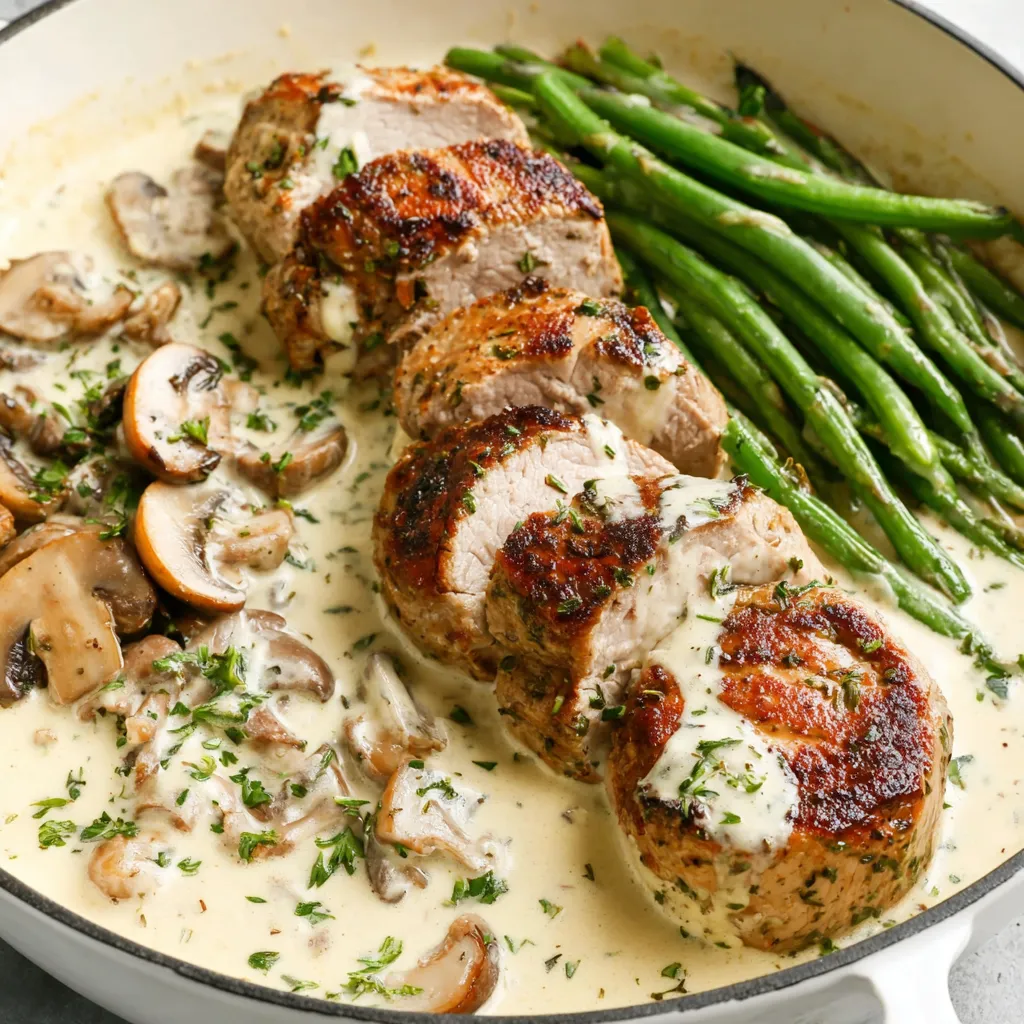
This creamy white wine pork tenderloin has been one of those recipes that turned a quiet weeknight into a moment worth savoring. I first pulled this together on a rain-soaked evening when I had a single pork tenderloin in the fridge and a couple of pantry staples — white wine, cream, and garlic. The result was unexpectedly rich: the pork stayed tender and juicy while the sauce developed a silky, slightly tangy finish that made everyone linger at the table. It’s the kind of dish that feels elegant without being fussy.
What I love most is the contrast in textures and flavors. The exterior of the pork gets a light golden sear that gives a pleasant crust while the inside remains tender. The sauce is bright from the white wine, savory from the chicken broth and garlic, and lusciously creamy thanks to the heavy cream. I often make this when friends come over because it feels special but takes minimal effort. Once you have the basic technique down — a hot pan, quick sear, and a carefully reduced pan sauce — this becomes a staple for dinner parties and cozy nights alike.
In my kitchen this recipe became a quick favorite. My partner commented that it reminded them of a Sunday supper without the fuss, and I discovered that it pairs beautifully with roasted vegetables or a simple buttered noodle. The method taught me a little more about deglazing and reduction — two techniques that elevate simple proteins into something memorable.
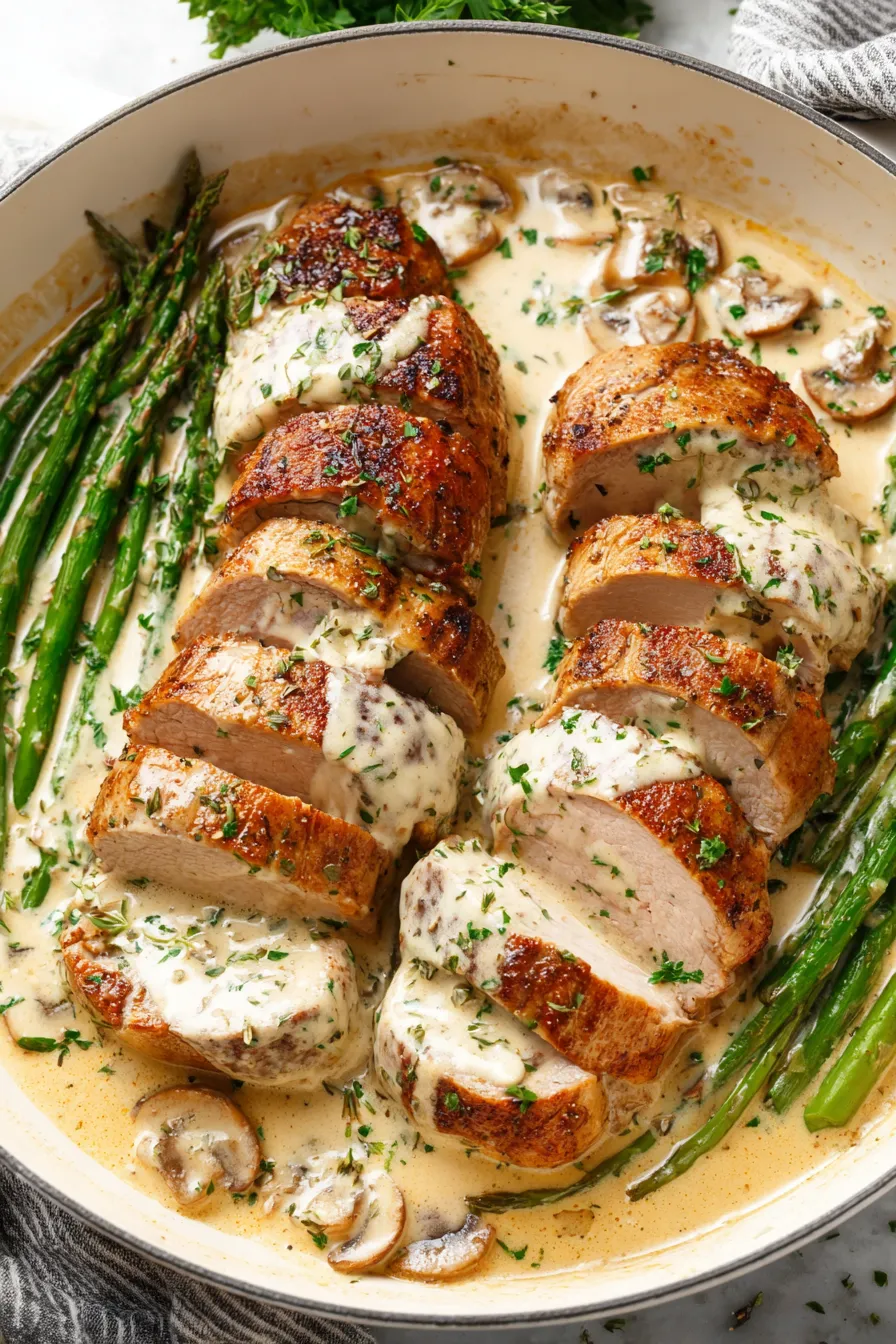
My favorite aspect of this dish is how forgiving it is: you can sear in advance, keep the pork warm, and finish the sauce when guests arrive. Family members have commented that the sauce tastes like something from a bistro — rich, slightly tangy, and comforting. I’ve taken this to potlucks and scaled up easily, and the medallions always disappear first.
Store leftovers in an airtight container in the refrigerator for up to 3 days. If you plan to freeze, slice the medallions before freezing and cover with sauce in a freezer-safe container for up to 3 months; thaw overnight in the fridge before reheating. Reheat gently in a skillet over low heat with a splash of broth to loosen the sauce, or use a low oven (300°F) covered for about 10–15 minutes until warmed through. Avoid microwave reheating at high power, which can overcook the pork and separate the cream.
If you don’t have heavy cream, substitute half-and-half with a teaspoon more cornstarch to help thicken, though the sauce will be lighter. For a dairy-free version, use full-fat canned coconut milk and simmer gently — the flavor will be different but still rich. Swap cornstarch for an equal amount of arrowroot powder for a glossy finish, and substitute vegetable broth for chicken broth to keep it poultry-free. If you prefer a less boozy flavor, replace half of the wine with additional broth.
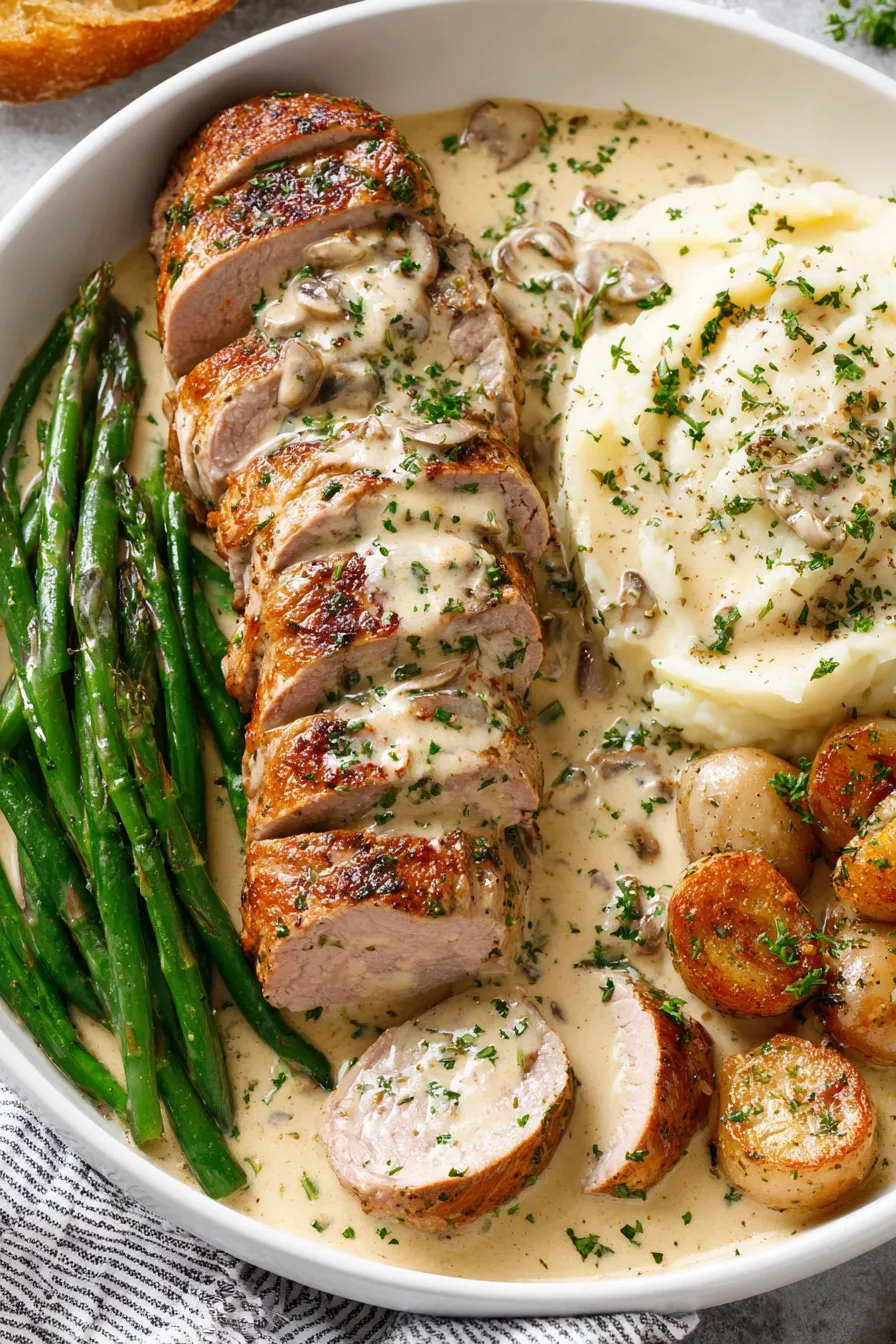
Serve the pork medallions over buttered egg noodles, mashed potatoes, or creamy polenta to soak up the sauce. Roasted green beans or sautéed spinach provide a bright, bitter contrast. For a lighter plate, pair with a simple mixed green salad dressed with lemon and olive oil. Garnish with extra parsley and a wedge of lemon if you like a citrus lift that cuts through the creaminess.
This style of quick sear followed by a cream-and-wine pan sauce is rooted in European bistro and home-cooking techniques where simple proteins are elevated by a pan sauce. Many regional variations exist across France and Italy where wine and cream or butter are commonly used to finish sauces. The technique emphasizes deglazing the pan to capture fond — the concentrated browned bits — which is central to many continental kitchens and gives the sauce its deep, savory backbone.
In spring and summer, brighten the dish with fresh lemon zest and a handful of spring peas folded into the sauce at the end. In autumn and winter, add a splash of apple cider to the wine reduction for a cozy, seasonal twist, or finish with thyme instead of Italian seasoning for earthier notes. You can also stir in roasted mushrooms for a heartier, rustic version that pairs well with root vegetables during colder months.
For make-ahead convenience, sear the pork medallions and cool completely before refrigerating. Store sauce separately; reheat sauce gently and add medallions just to warm through before serving. If prepping for lunches, portion medallions and sauce into shallow containers and include a starch like mashed potatoes or noodles. Label with the date and consume within three days for best quality.
Every time I make this dish it reminds me that simple ingredients, treated with attention to heat and timing, can produce a meal that feels elevated yet accessible. Try it once and you’ll find the technique very transferable — to chicken, turkey medallions, or even thick fish filets. Enjoy the small ritual of searing, deglazing, and finishing: it’s the kind of cooking that rewards patience with flavor.
Pat the pork completely dry before searing to ensure a golden crust.
Allow the pan to get hot before adding the meat; a shimmering fat indicates the right temperature.
Reduce the wine by more than half to concentrate flavor and remove alcohol bite before adding cream.
Whisk the cornstarch into cold water to avoid lumps and add only a small amount at a time to control thickness.
This nourishing creamy white wine pork tenderloin recipe is sure to be a staple in your kitchen. Enjoy every moist, high protein slice — it is perfect for breakfast or as a wholesome snack any time.
Yes. The pork is cooked when it reaches an internal temperature of 145°F. Use an instant-read thermometer inserted into the center of a medallion.
Use any dry white wine you enjoy drinking, such as Sauvignon Blanc or Pinot Grigio. Avoid sweet dessert wines.
This Creamy White Wine Pork Tenderloin recipe makes perfectly juicy, tender, and flavorful steak every time! Serve with potatoes and a side salad for an unforgettable dinner in under 30 minutes.
Trim silver skin and excess fat from the tenderloin, then slice into 1-inch thick medallions. Pat dry and season both sides generously with salt and pepper.
Heat 1 tablespoon olive oil and 1 tablespoon butter in a large skillet over medium-high heat. When hot, sear pork medallions about 3 minutes per side until lightly golden. Work in batches if needed and transfer to a plate.
Add minced garlic and 1/4 teaspoon Italian seasoning to the skillet, sauté briefly, then deglaze with 1/2 cup dry white wine and 1/4 cup chicken broth. Scrape up browned bits and reduce the liquid by more than half, about 3–5 minutes.
Stir 3/4 cup heavy cream into the pan and whisk in the cornstarch slurry. Bring to a gentle simmer until the sauce thickens slightly and becomes silky.
Nestle the seared medallions back into the sauce and simmer for 3–5 minutes until pork reaches 145°F. Adjust seasoning with salt and pepper and garnish with chopped parsley before serving.
Last Step: Please leave a rating and comment letting us know how you liked this recipe! This helps our business to thrive and continue providing free, high-quality recipes for you.
Leave a comment & rating below or tag
@culinya on social media!
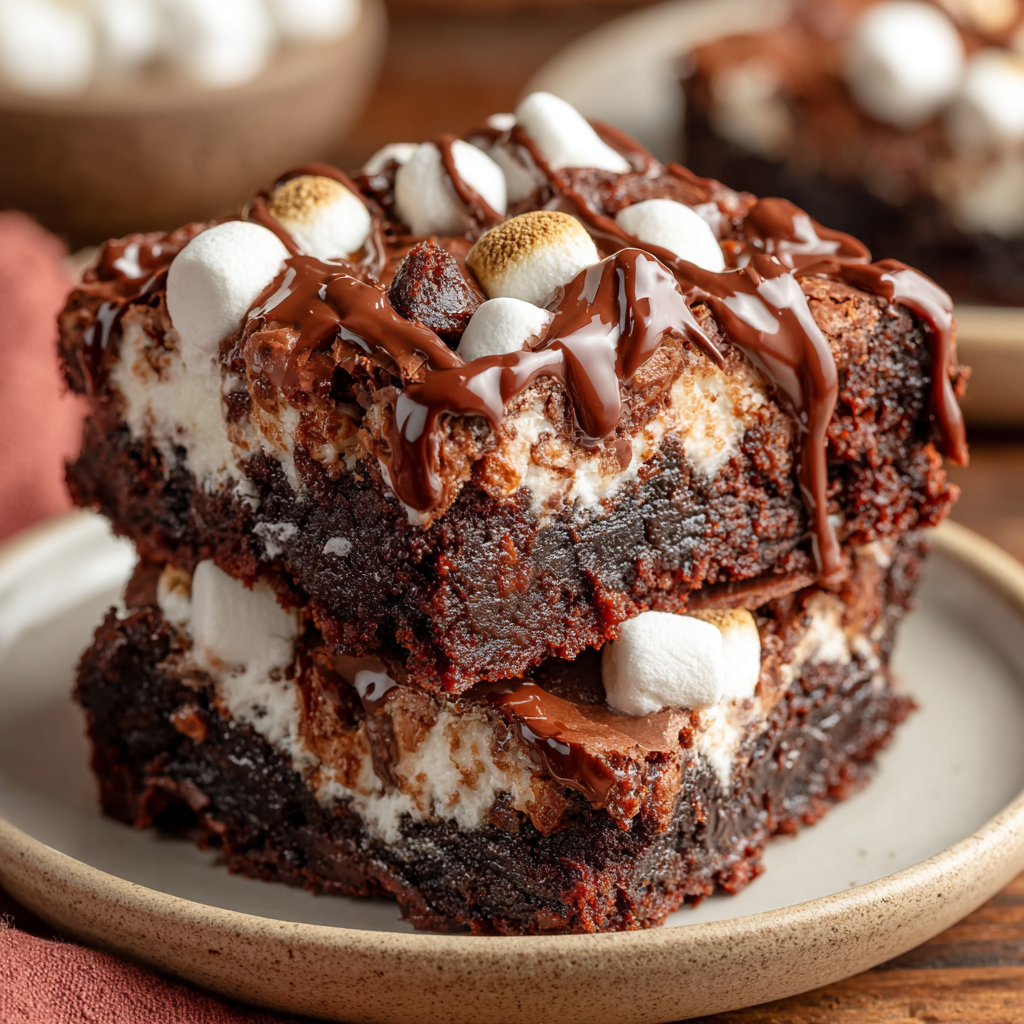
Ultra-fudgy brownies crowned with gooey mini marshmallows and a quick-set chocolate icing. Crowd-pleasing, nostalgic, and irresistibly rich in every bite.
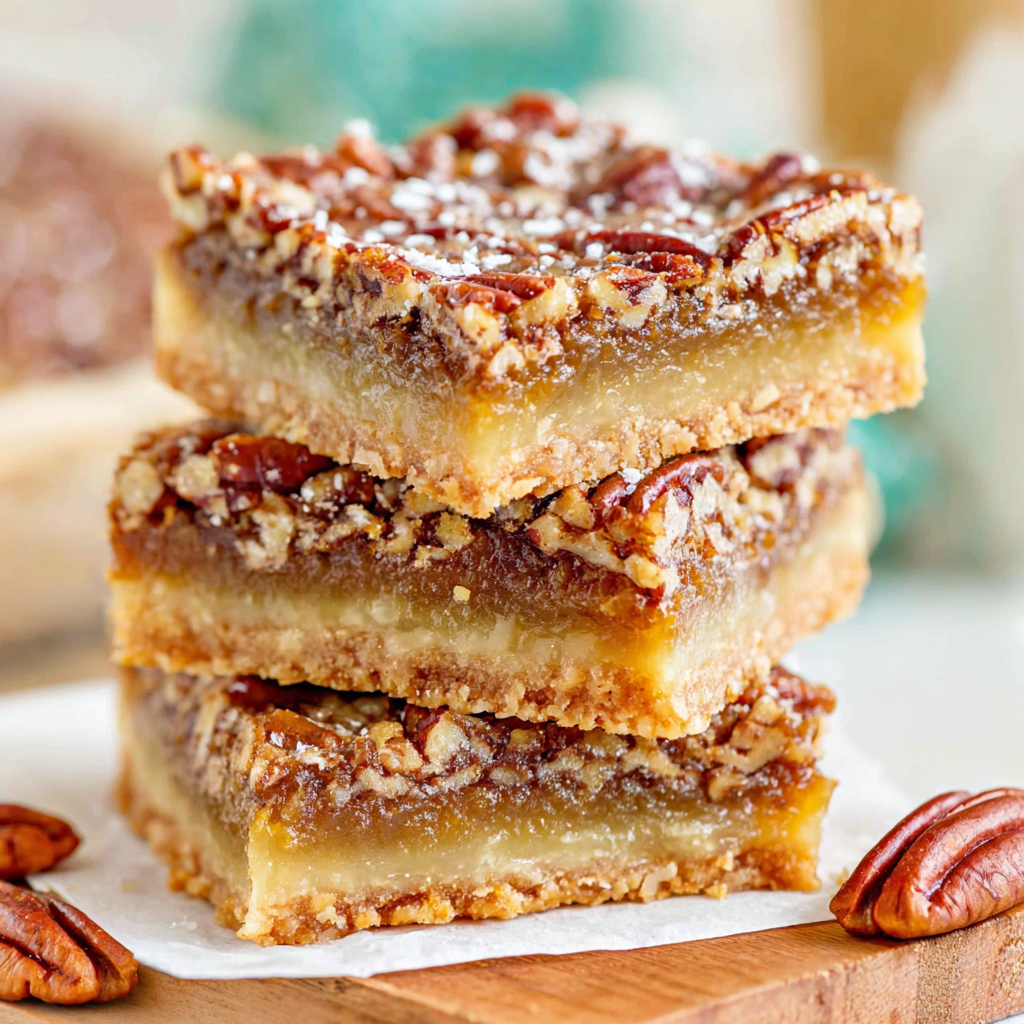
Buttery shortbread crust meets a silky brown sugar pecan topping in these easy pecan pie bars. Just 10 minutes of prep for bakery-level bliss.
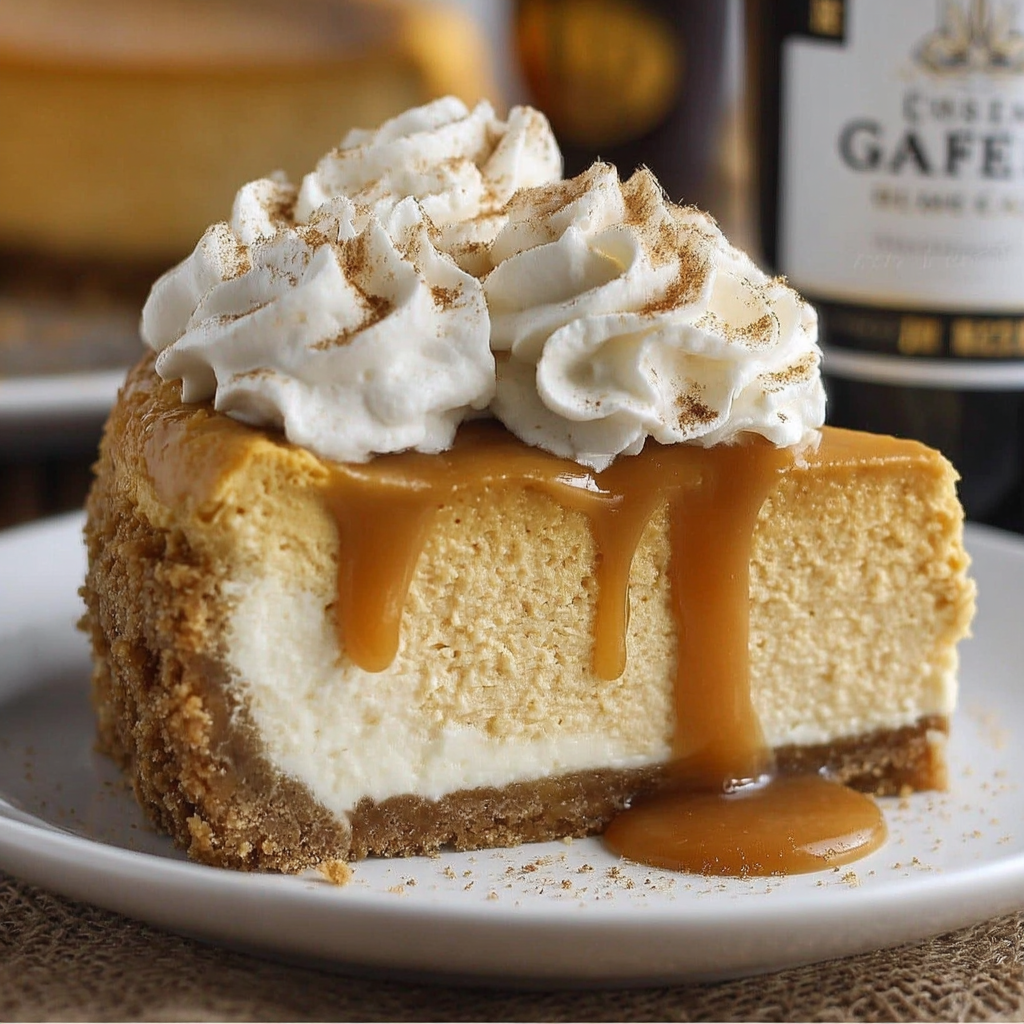
A flawlessly smooth pumpkin cheesecake with warm spice, buttery graham crust, and no cracks. Finish with caramel and rum-kissed whipped cream.
Leave a comment & rating below or tag @culinya on social media!
Enjoyed this recipe? Share it with friends and family, and don't forget to leave a review!
This recipe looks amazing! Can't wait to try it.
Comments are stored locally in your browser. Server comments are displayed alongside your local comments.

Join to receive our email series which contains a round-up of some of our quick and easy family favorite recipes.