>>

Classic Polish pierogi filled with creamy mashed potatoes and farmer's cheese, gently boiled and finished with buttered onions for a comforting, crowd-pleasing main.
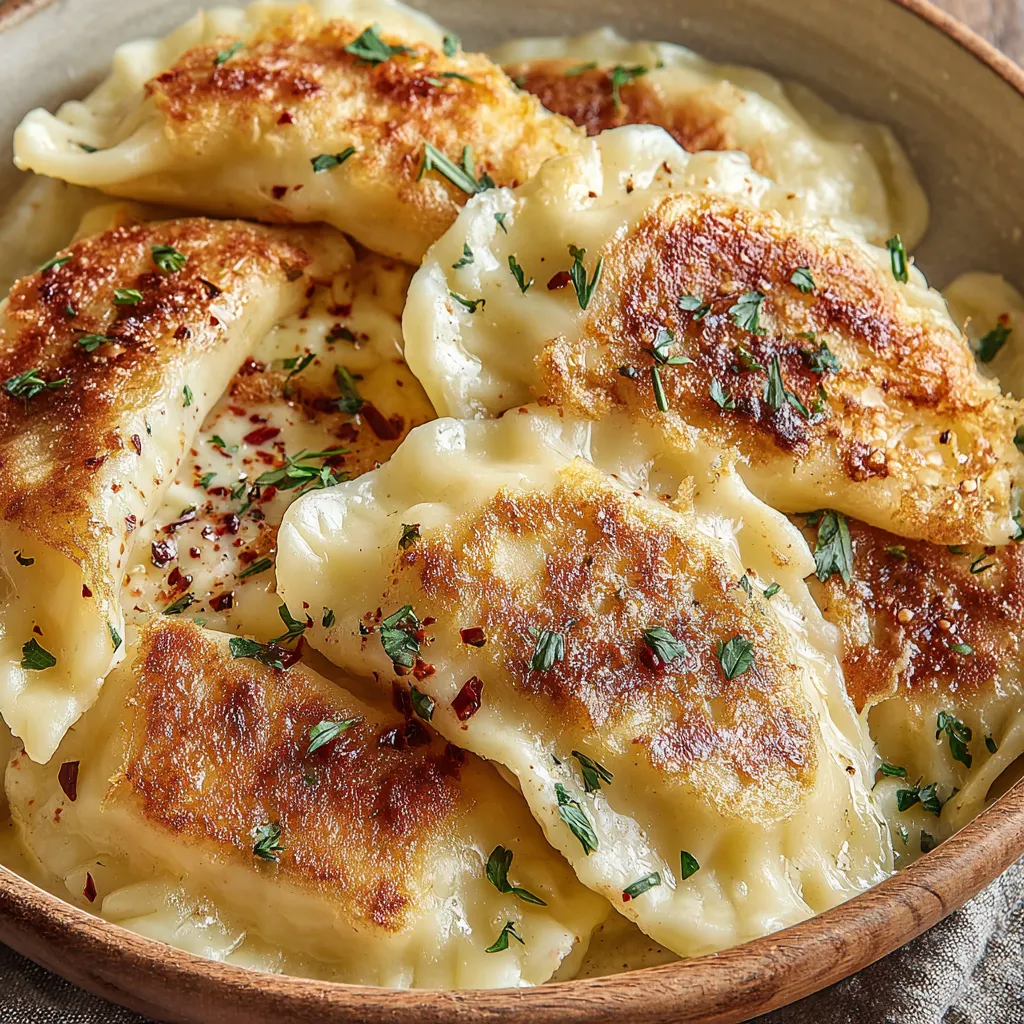
This potato-and-cheese pierogi recipe has been a warm, joyful constant in my kitchen for years. I first learned this approach one chilly autumn when my grandmother walked me through the simple rhythm of boiling potatoes and slowly sautéing onions until they whispered sweetness. The result was a filling that felt both humble and indulgent: creamy starchy potatoes, tangy full-fat farmer's cheese, and golden, caramelized onions that bring everything into balance. These dumplings are the kind of food that gathers people around the table—my family will happily trade errands to arrive in time for a steaming plate.
What makes these dumplings special is the combination of technique and temperament. The dough is forgiving but benefits from hot liquid to create a tender, pliable wrapper that rolls thin and seals reliably. The filling is all about texture: mash the potatoes until smooth but not gummy, fold in fresh twaróg or a good farmer's cheese for creaminess, and add properly sautéed onions for sweetness and depth. I often make this batch in the morning and finish forming and boiling in the evening; it’s a great dish to spread across a day of convivial cooking.
My family’s reaction is always the same: instant smiles and a request for seconds. Over the years I discovered small tricks—heating the liquid to about 175 to 190 degrees Fahrenheit before adding to the flour, and chilling the filling briefly so it holds shape when forming. These adjustments took the dumplings from good to unforgettable.
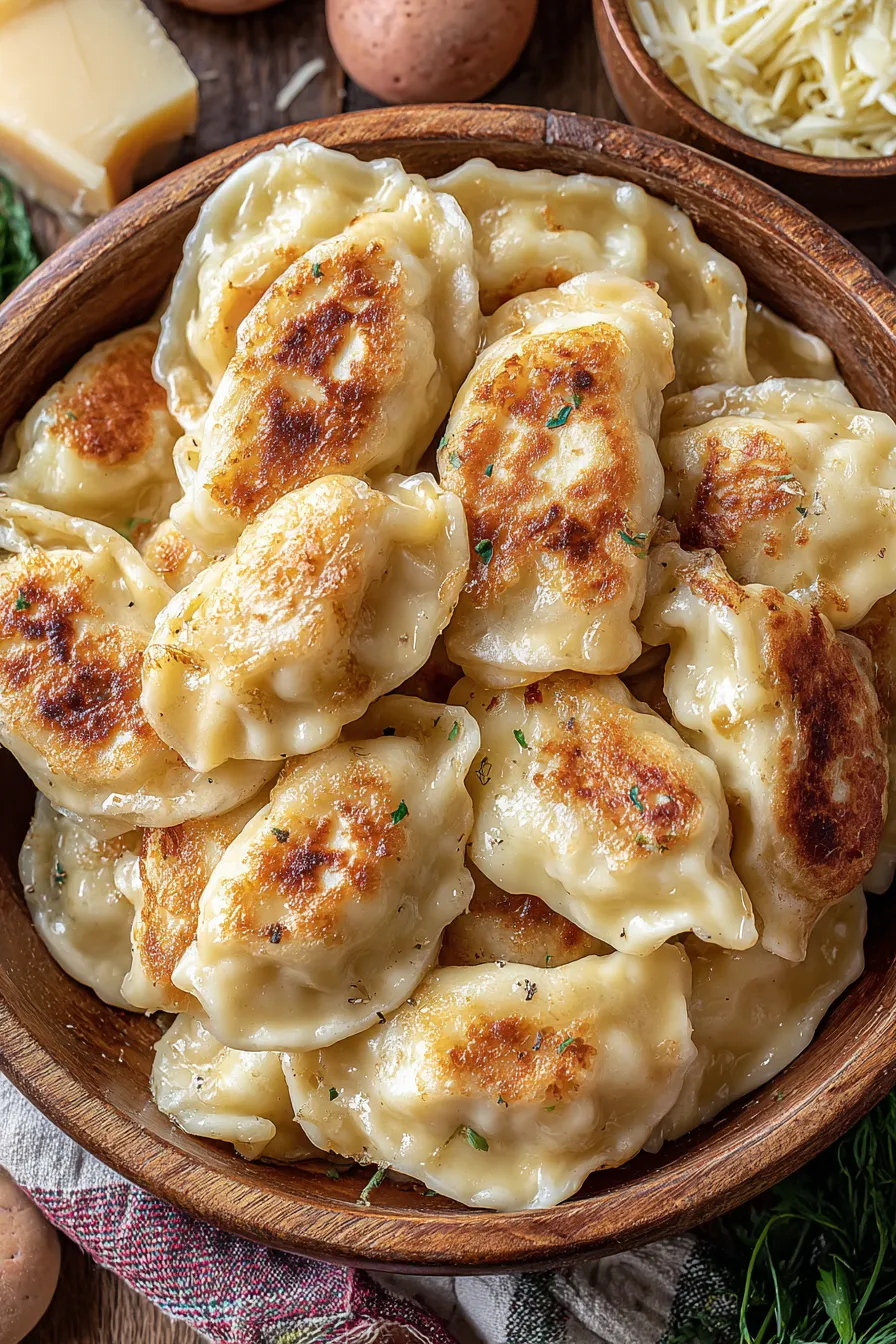
My favorite part is the memory tied to each bite: the first time my son tried these, he declared them magic. Little moments like that—sharing pierogi straight from the pot, butter melting over hot surfaces and onions sweet on top—are why I return to this recipe again and again. The technique rewards patience: the dough will tell you when it’s ready, and a properly sealed edge keeps every dumpling intact.
To refrigerate, cool boiled dumplings on a single layer then transfer to an airtight container; they keep well for 2 to 3 days. For freezing, place uncooked, formed dumplings on a parchment-lined tray spaced apart and freeze until solid (about 1 to 2 hours). Then transfer to freezer bags and store for up to 3 months. When ready to use, cook from frozen by adding an extra 1 to 2 minutes to the boiling time. Reheating boiled dumplings is best done in a skillet with a knob of butter to refresh texture; avoid microwaving, which can make them gummy.
If you cannot find twaróg, use a well-drained ricotta mixed with 2 tablespoons of Greek yogurt to mimic the tang and firmness, or a full-fat farmer's cheese. For a lighter filling, mix half potatoes and half cauliflower purée, but expect a less starchy bind and adjust with a tablespoon of flour or an egg if needed. For a dairy-free option, replace cheese with a small amount of mashed silken tofu seasoned with lemon and salt, though the flavor and texture will differ from the original.
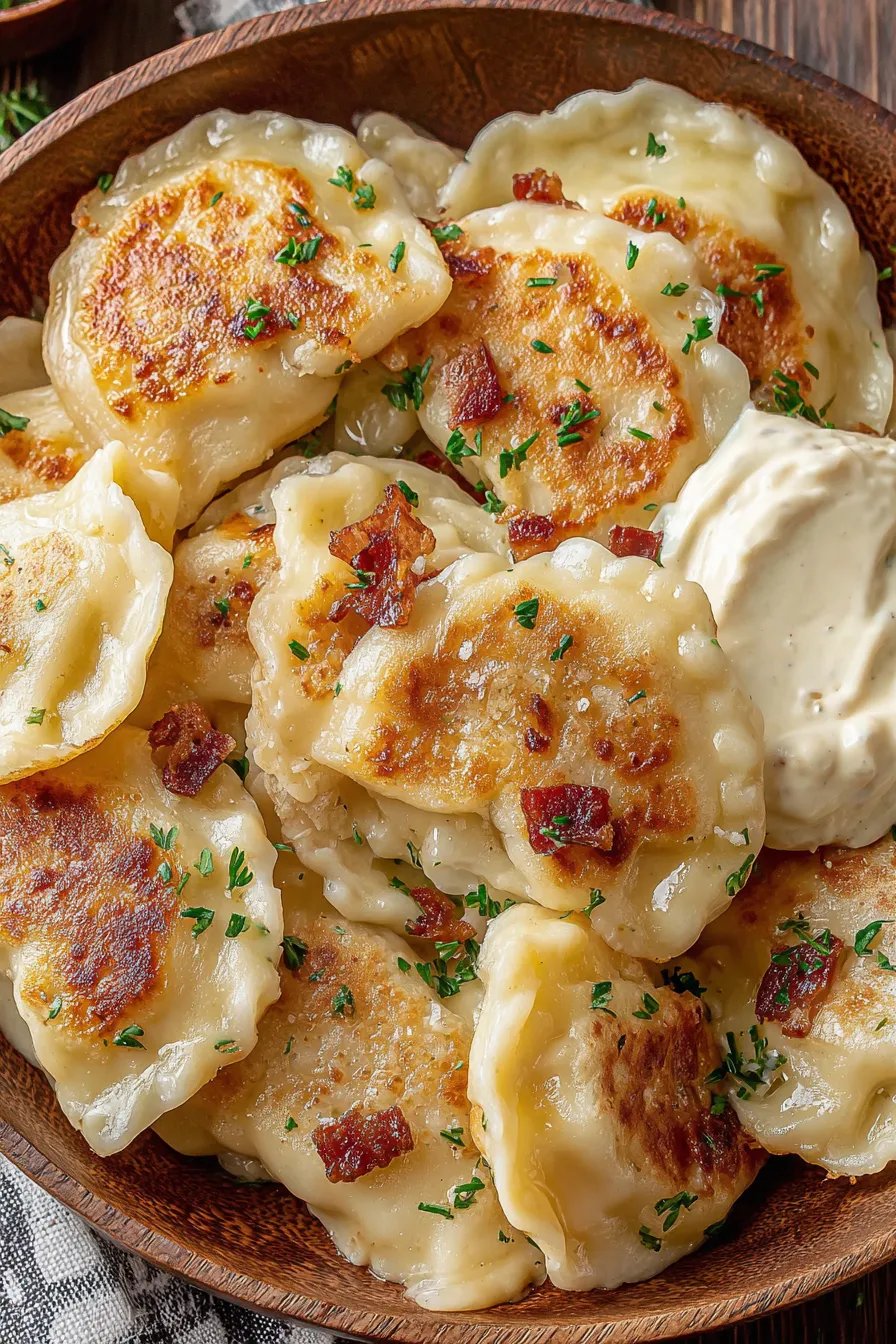
Serve warm with melted butter and a scattering of caramelized onions, or top with crumbled bacon and sour cream for a heartier plate. These pair beautifully with a light cucumber salad, pickled beets, or a simple green vinaigrette. For a festive touch, brush boiled dumplings with browned butter and sprinkle with chopped chives and smoked paprika before serving.
Pierogi ruskie are a classic from Eastern European kitchen traditions, especially Poland, where they are a beloved staple. Ruskie translates to "Ruthenian," reflecting historical influences across regions. Traditionally filled with potato and twaróg, they became household favorites for their affordability and comforting flavor. Regional variations include additions like onions, bacon, or herbs, and they appear on both weekday tables and holiday feasts.
In winter, use root vegetables and smoked meats to give the filling more depth; adding roasted garlic or sage to the potatoes works well. Spring calls for fresh herbs—add chopped dill or chives to the filling. For holiday dinners, brown the dumplings in butter with toasted breadcrumbs and finish with a drizzle of aged cream for richness.
Prepare the filling up to two days ahead and keep chilled; assemble dumplings the day you plan to serve for best texture. Alternatively, form and freeze a large batch; on the day, boil directly from frozen. Use shallow, wide containers for refrigeration to avoid crushing formed dumplings. Label freezer bags with date and contents to rotate batches effectively.
These dumplings bind family memories and simple techniques into a dish that is greater than the sum of its parts. Make a big batch, invite friends, and let each person take part in forming—pierogi are as much about the making as the eating.
Heat the water and fat to just below boiling before adding to flour; this helps make a tender, pliable dough quickly.
Sauté onions low and slow until they are translucent and beginning to caramelize—this develops sweetness without browning too fast.
If reworking scraps, roll as little as necessary to avoid toughening the wrapper; let the dough rest if it becomes elastic and springs back.
This nourishing pierogi ruskie — potato and cheese dumplings recipe is sure to be a staple in your kitchen. Enjoy every moist, high protein slice — it is perfect for breakfast or as a wholesome snack any time.
Yes. You can freeze formed but uncooked pierogi on a tray until solid, then transfer to a freezer bag for up to 3 months. Boil from frozen, adding 1 to 2 minutes to the cooking time.
Use starchy varieties like russets or Yukon Gold for a fluffier, well-binding mash. Waxy potatoes will yield a denser filling that can separate.
If the filling is too loose, chill it for 30 minutes. If the dough tears during rolling, let it rest longer to relax the gluten or add a touch more flour while rolling.
This Pierogi Ruskie — Potato and Cheese Dumplings recipe makes perfectly juicy, tender, and flavorful steak every time! Serve with potatoes and a side salad for an unforgettable dinner in under 30 minutes.
Mix flour and salt, heat water with butter to very hot (175-190°F) and pour into flour. Stir until it comes together into a shaggy mass.
Knead until smooth and elastic for about 5 minutes, adjust hydration if needed, wrap and rest for 30 minutes.
Boil potatoes until tender, drain and mash. Sauté diced onions in oil over medium-low heat until translucent and slightly caramelized, about 8-12 minutes.
Mix mashed potatoes, twaróg, and sautéed onions. Season with salt and pepper and taste; chill if filling is too soft for forming.
Divide dough into quarters, roll each to about 2 mm thickness, and cut circles with a 2 3/4-inch cutter or glass.
Place a portion of filling on each circle, fold to a half-moon, and pinch/crimp edges firmly to seal.
Boil in well-salted water in batches. When they float, cook 1-2 more minutes. Drain and toss with melted butter before serving.
Last Step: Please leave a rating and comment letting us know how you liked this recipe! This helps our business to thrive and continue providing free, high-quality recipes for you.
Leave a comment & rating below or tag
@culinya on social media!
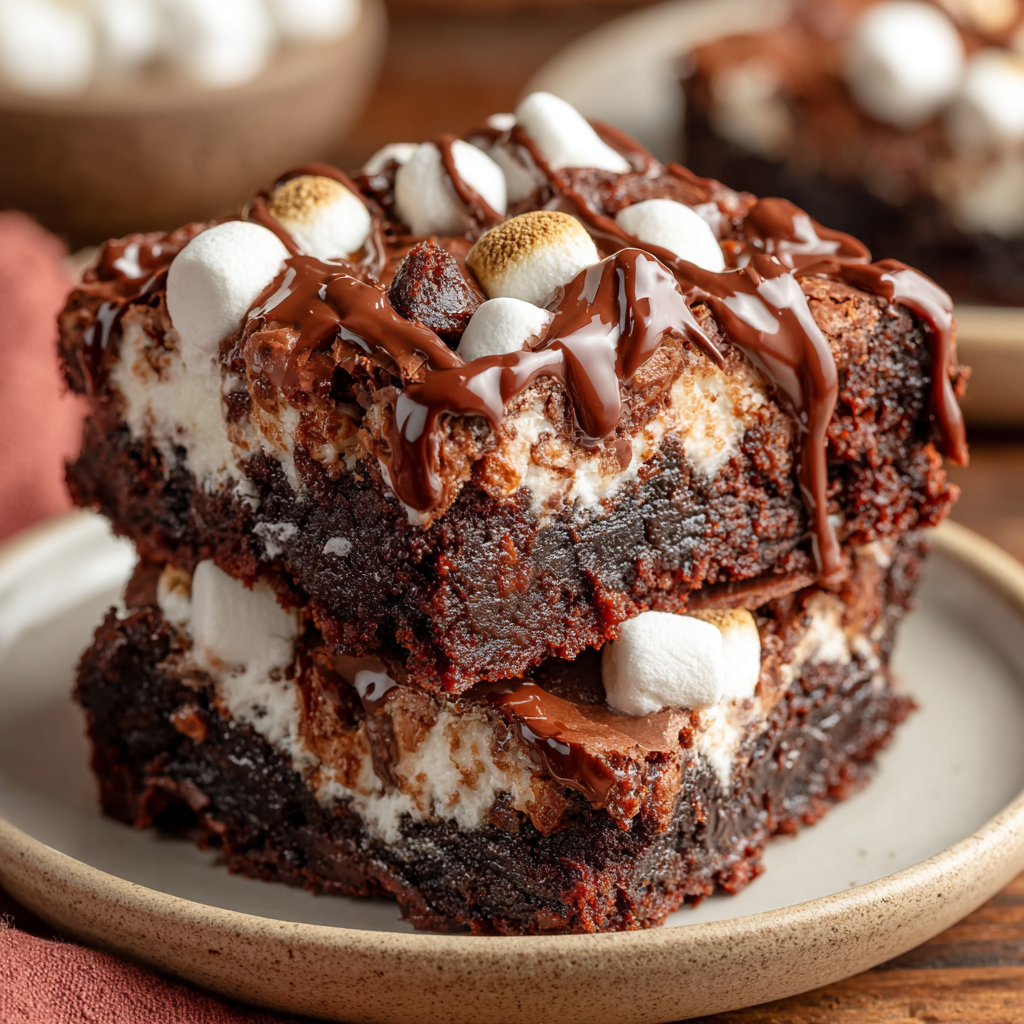
Ultra-fudgy brownies crowned with gooey mini marshmallows and a quick-set chocolate icing. Crowd-pleasing, nostalgic, and irresistibly rich in every bite.
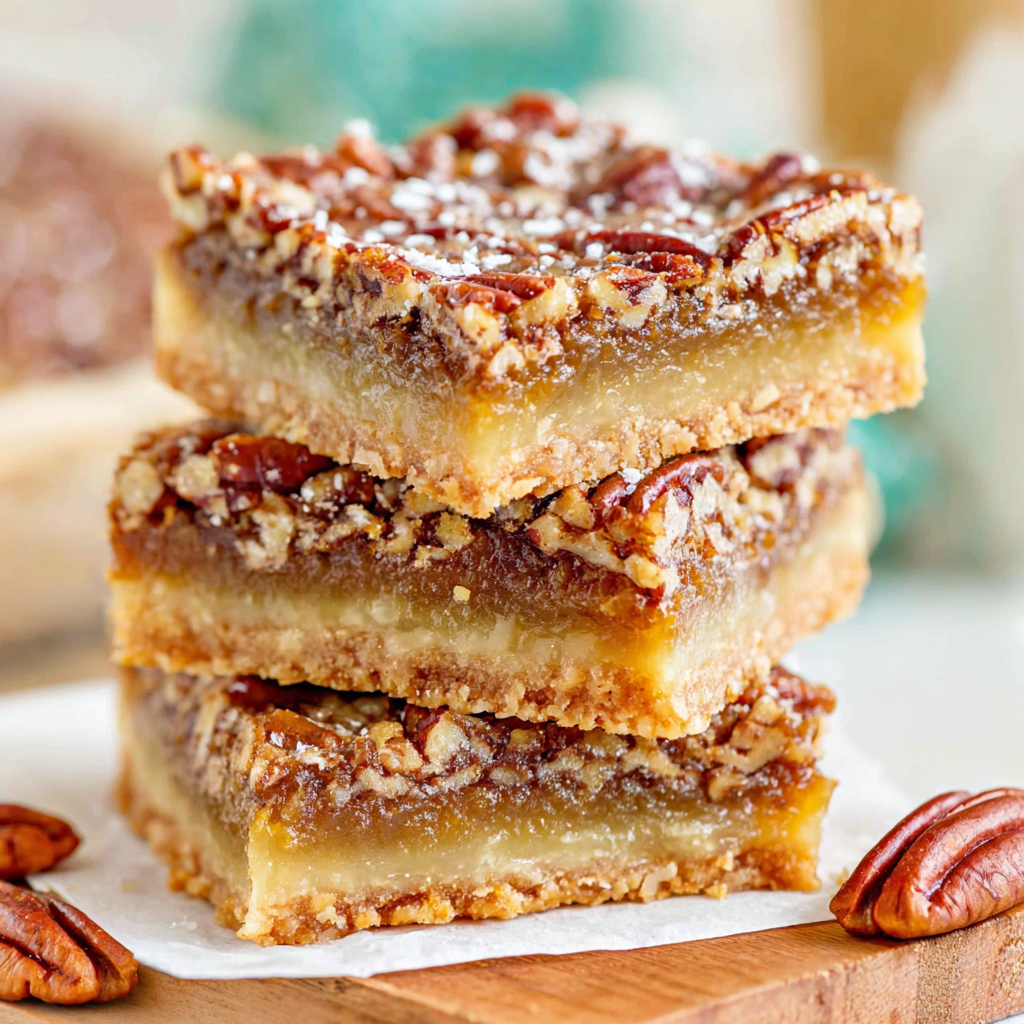
Buttery shortbread crust meets a silky brown sugar pecan topping in these easy pecan pie bars. Just 10 minutes of prep for bakery-level bliss.

A flawlessly smooth pumpkin cheesecake with warm spice, buttery graham crust, and no cracks. Finish with caramel and rum-kissed whipped cream.
Leave a comment & rating below or tag @culinya on social media!
Enjoyed this recipe? Share it with friends and family, and don't forget to leave a review!
This recipe looks amazing! Can't wait to try it.
Comments are stored locally in your browser. Server comments are displayed alongside your local comments.

Join to receive our email series which contains a round-up of some of our quick and easy family favorite recipes.